Pope Leo’s Latin America Homecoming Tests Faith, Power, and Democracy
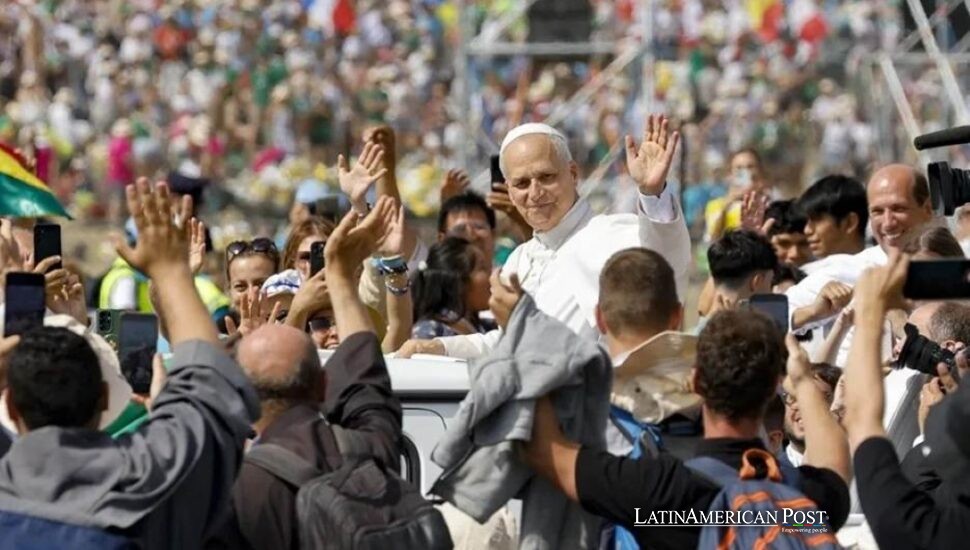
Pope Leo XIV’s first South American journey will be measured not only by crowds and prayers, but by who gets heard. Across Uruguay, Argentina, and Peru, the visit will test religion’s role, political restraint, and speech beyond passports and nationality.
More Than a Homecoming
In Peru, the announcement landed less like diplomatic news than the return of someone who had shared the dust. Robert Prevost arrived as a young Augustinian missionary, worked in poor northern neighborhoods, became bishop of Chiclayo, and acquired Peruvian citizenship. Now, as Pope Leo XIV, he is scheduled to return from November 11 through 17, visiting Lima, Chiclayo, Cusco and Pucallpa after stops in Uruguay and Argentina. For many Peruvians, “the Peruvian pope” is memory made public.
Familiarity gives the journey emotional force, but its importance lies elsewhere. A pope does not pass budgets, command police or prosecute extortionists. Yet he carries a platform few leaders can match. His words can change what a country discusses and which silences become uncomfortable.
Peru’s new president, Keiko Fujimori, has called the visit a homecoming and a message of hope. Foreign Minister Carlos Espá described it as a “balm” for a country in need of reconciliation. Those images are powerful and politically useful. Governments prize the photograph of a pope at the presidential palace because sacred prestige can soften secular distrust. The danger is allowing ceremony to replace accountability.
Leo will arrive in a Peru strained by contract killings, extortion, inequality and regional abandonment. Cardinal Carlos Castillo has said the route through coast, highlands and jungle embraces national diversity. It also reveals an imbalance. Lima concentrates power, while places such as Pucallpa often experience the state through absence, insecurity or extraction. A papal visit cannot repair that divide, but it can expose it.
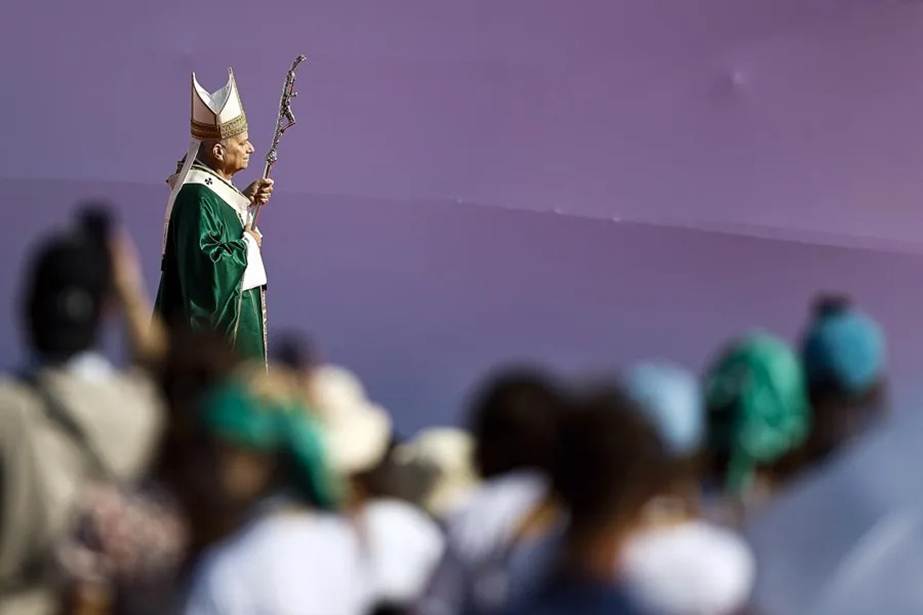
The Politics of Who Gets Heard
The strongest test will come after the applause. Will Leo name the fear of shopkeepers paying extortion? Will he address Indigenous and Amazonian communities as political subjects rather than picturesque symbols? Will victims of violence stand near the center, or remain beyond the camera line while officials occupy the front row?
These are political questions, but also questions of speech. Religious leaders do not lose the right to enter public debate because their message unsettles a government. Nor should that right depend on nationality. Leo’s Peruvian citizenship gives him knowledge and affection, not permission. The deeper democratic principle is that expression inside a country cannot be reserved for passport holders approved by power.
Migrants, foreign clergy, journalists and ordinary residents all contribute to national conversation. Governments may reject their arguments, and citizens may criticize their institutions. But dismissing speech merely because the speaker was born elsewhere turns nationality into a gatekeeping device. That threatens freedom of expression, especially in Latin America, where governments across ideological lines have often labeled inconvenient criticism as foreign meddling.
Freedom of speech also does not place the pope beyond challenge. Non-Catholics, secular organizations, women’s groups, Indigenous leaders and dissident Catholics must remain equally free to contest him. A healthy public sphere is not one where the loudest moral authority dominates. It is one where authority can be heard, questioned and answered.
Uruguay makes that balance visible. Catholics account for about 36 percent of its population, making Uruguay unusually secular in Latin America. Leo’s visit will test whether religion can contribute through service and argument without commanding the state. Success will mean religious and secular citizens meeting without surrendering freedom.
Argentina carries a different wound. Pope Francis never returned to his homeland during his 12-year pontificate. Leo’s arrival will carry the tenderness of an absence addressed. Yet his language about poverty, solidarity and dignity will be heard against policy. Officials may welcome the symbolism while resisting its implications. That tension is not failure. It is moral speech at work.
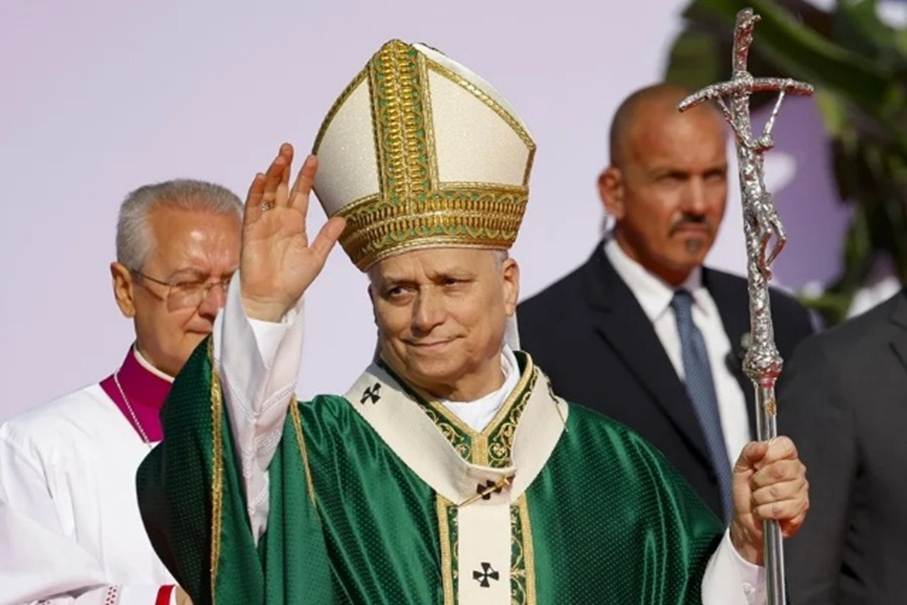
A Visit Judged After the Motorcade
The church faces its own test. Bishops speak of hope, evangelization and mission, but those words remain abstract without changed behavior. A church asking governments to listen to the poor must listen itself. A church invoking human dignity must examine whose dignity has been ignored within its structures.
Chiclayo may provide the journey’s most intimate scene. Leo will return to people who knew him before white robes, motorcades and global attention. Their welcome may matter because it resists spectacle. It recalls a pastor formed by proximity, not protocol. The question is whether that closeness still shapes his papacy.
The crowds will be large. Bells will ring. Leaders will speak of unity, and television will search for tears. Ritual is not meaningless. It can give a wounded society a language of shared feeling. But reconciliation is not a mood. It requires truth, protection for vulnerable people, functioning institutions and room for speech that does not flatter power.
That is why non-Catholics should care. Leo’s journey will influence public attention whether or not they accept Catholic doctrine. It can widen the conversation about violence, poverty and regional neglect, or shrink it into a staged embrace. Its democratic value will depend on whether it amplifies voices beyond palaces and pulpits.
The most revealing moment will come after Leo leaves, when banners are removed, and motorcades disappear. Peru, Argentina and Uruguay will decide whether his words became cover for power, an invitation to debate, or a demand that people who are usually spoken about finally be allowed to speak for themselves.
Also Read: Paraguayan Senator Turns Racist Outrage Into a Shameless Presidential Audition