Company Controversially Uses AI Maradona to Sell Gambling Beyond the Grave
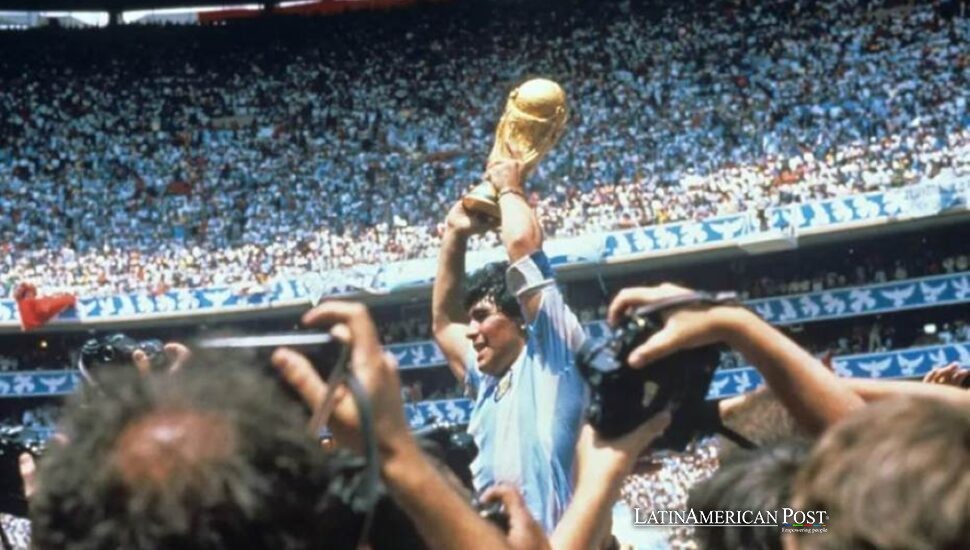
A synthetic Diego Maradona is selling online betting during the 2026 World Cup, forcing Argentina to confront a question bigger than copyright: who controls a dead icon’s voice when family consent, corporate profit, youth gambling, and national memory collide publicly?
A Familiar Voice With No Right to Refuse
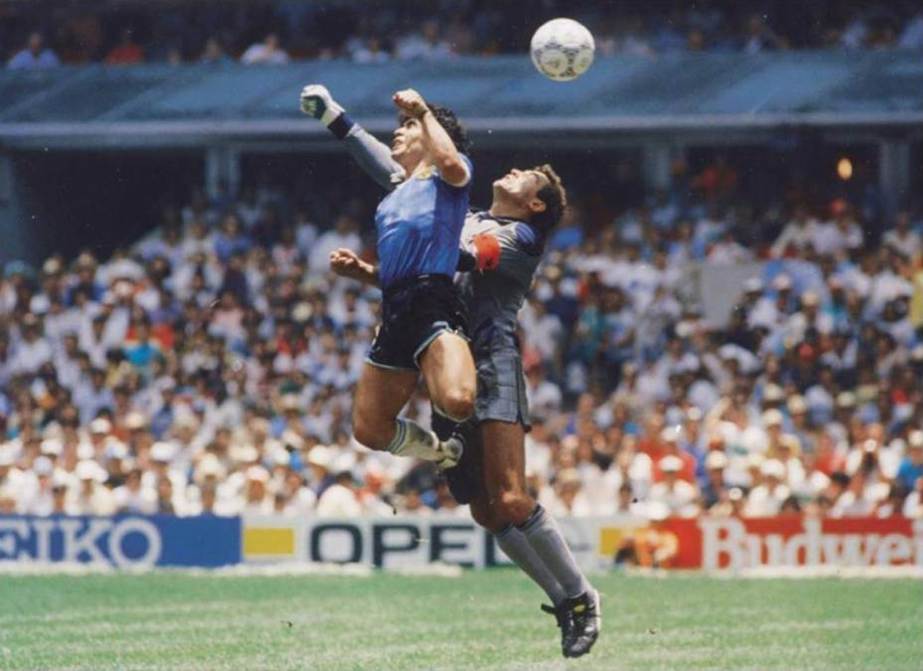
The voice arrives before the unease does. It sounds enough like Maradona to summon a stadium, a radio, a father leaning toward the television. Then comes the image: the number 10 shirt from Mexico 1986, his face rebuilt by AI, speaking words he never chose.
In BetWarrior’s advertisement “Gente con pelotas,” the digital Maradona links courage, pride, masculinity, and gambling. “If the world wants to cut off our legs,” the artificial voice says, “we will show them that here we play with balls.” It recycles Maradona’s language of grievance and defiance, hiding a sales pitch inside collective memory.
Argentina did not merely watch a dead celebrity endorse a product. It watched a company animate one of its national figures, then place a betting platform inside his mouth. Maradona cannot approve the script, reject its tone, or ask whether the message exploits the appetite for risk that shadowed his life.
His family reportedly authorized the use of his image and voice. Legally, that matters. Ethically, it settles far less.
Argentina’s Civil and Commercial Code protects image, voice, identity, and dignity after death, while relatives may authorize uses. Those rules were built for photographs, recordings, biographies, and licensing. Generative AI changes the object being licensed. It does not reproduce Maradona. It manufactures conduct and presents it as his.
The difference is profound. A photograph says, “He was there.” A clone says, “He believes this now.”
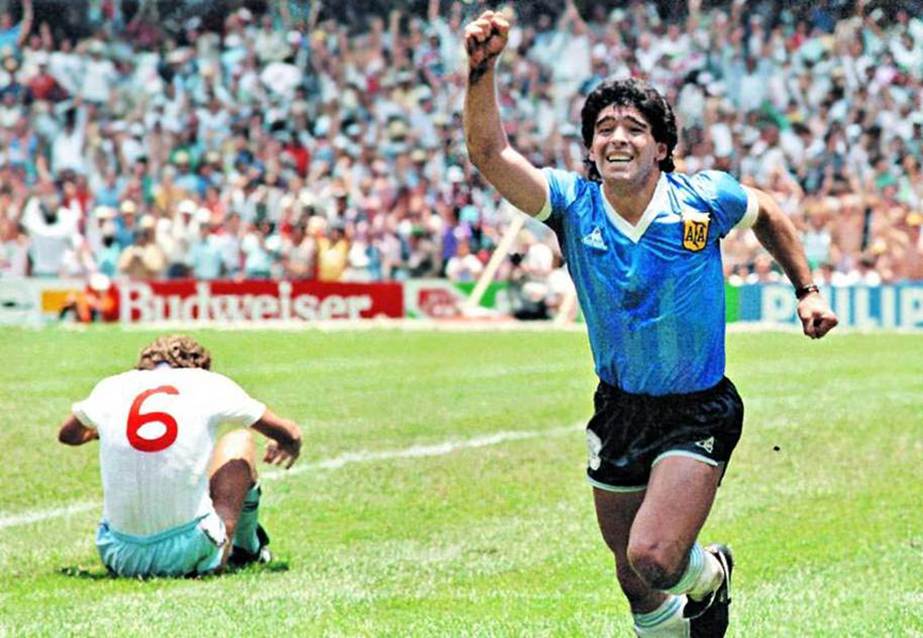
The Bet Hides Inside the Flag
The commercial’s troubling move is cultural, not technical. Betting becomes bravery, while hesitation resembles cowardice. The word “pelotas” carries the wink of locker-room masculinity, but the joke carries weight. It makes gambling sound like proof of nerve, loyalty, and Argentine character.
That message lands in a country where one in four adolescents reportedly gambles despite a ban for people under 18. The figure should slow the applause. The market extends beyond adults making wagers. It reaches teenagers through phones, football broadcasts, influencers, digital wallets, and invitations to try once.
During a World Cup, the temperature rises. A match is not watched. It is suffering. Betting companies understand that intensity better than regulators. They sell the illusion that a supporter can turn knowledge, faith, or patriotism into money. The AI Maradona advertisement goes further, placing betting inside Argentina’s national mythology.
Maradona is potent material for that strategy. He was never merely an athlete. He became a vessel for class resentment, neighborhood pride, wounded sovereignty, excess, tenderness, and rebellion. Millions felt he spoke for people mocked by polished institutions. His flaws did not weaken that bond. Often, they deepened it.
That is why his digital resurrection cannot be treated like an ordinary endorsement. The company is not renting a famous face. It is borrowing social trust accumulated over decades, especially among people who saw Maradona as closer to family than celebrity. That emotional transfer is the product.
The commercial also enters an online gambling economy designed around repetition. Unlike a trip to a racetrack or casino, a betting app follows the user into bed, to school, to work, and onto the bus home. The next wager is always seconds away. When a beloved dead voice urges courage, the distance between memory and compulsion becomes dangerously small.
Family Permission Cannot Own a Public Memory.
Juan Gustavo Corvalán, director of the University of Buenos Aires law school’s Artificial Intelligence and Innovation Laboratory, poses the essential question: What happens when heirs authorize a digital clone that distorts collective memory or degrades someone who can no longer defend himself?
Inheritance cannot end the discussion. Families may control commercial rights, but they do not possess all the social meanings attached to a historical figure. Maradona belongs legally to an estate and emotionally to a country. Those claims are not equivalent, yet both are real.
Consent should be understood as a floor, not a blank check. Heirs can permit access to an image or archive. They should not automatically gain unlimited authority to invent product endorsements, political opinions, or moral positions in the dead person’s voice. The more realistic the clone, the stronger the case for limits.
Argentina lacks a specific framework for digital replicas of deceased people. Existing protections offer a starting point, but they emphasize property and authorization more than manipulation, psychological harm, and public memory. Law still asks who owns the face. AI forces another question: who answers for the sentence the face is made to speak?
A serious response would distinguish faithful reproduction from synthetic invention, require unmistakable disclosure, and impose stricter scrutiny when replicas promote addictive or age-restricted products. The issue is not banning creativity. It is preventing realism from becoming a laundering device for consent.
Maradona’s reconstructed voice may be technically impressive. That is what makes it unsettling. The better the imitation becomes, the easier it is to forget that nobody is speaking. A company is speaking through him.
Argentina has spent decades arguing over who Maradona truly was. AI now offers corporations a shortcut: decide who he is, write the line, animate the memory, and place a betting link beneath it. The dead cannot object. The living should.
Also Read: How to Plan a Long-Distance Move to the US