Aracataca Wants García Márquez’s Centennial to Begin a New Chapter at Home
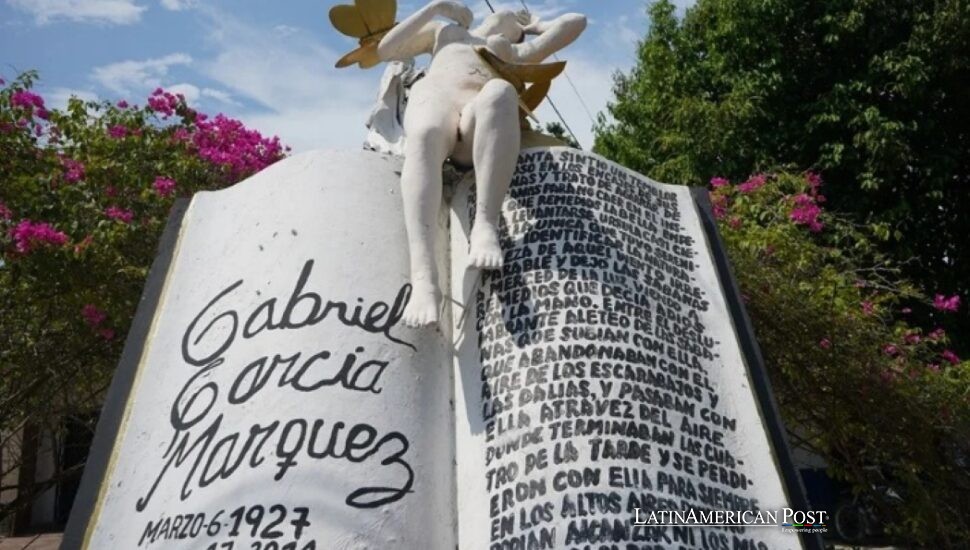
Aracataca is preparing for Gabriel García Márquez’s 2027 centennial with ambitions beyond a literary pilgrimage. Through Festival Macondo, residents hope to turn worldwide affection for their famous son into lasting opportunities for the town that helped shape his imagination.
A Birthday Beyond the Monument
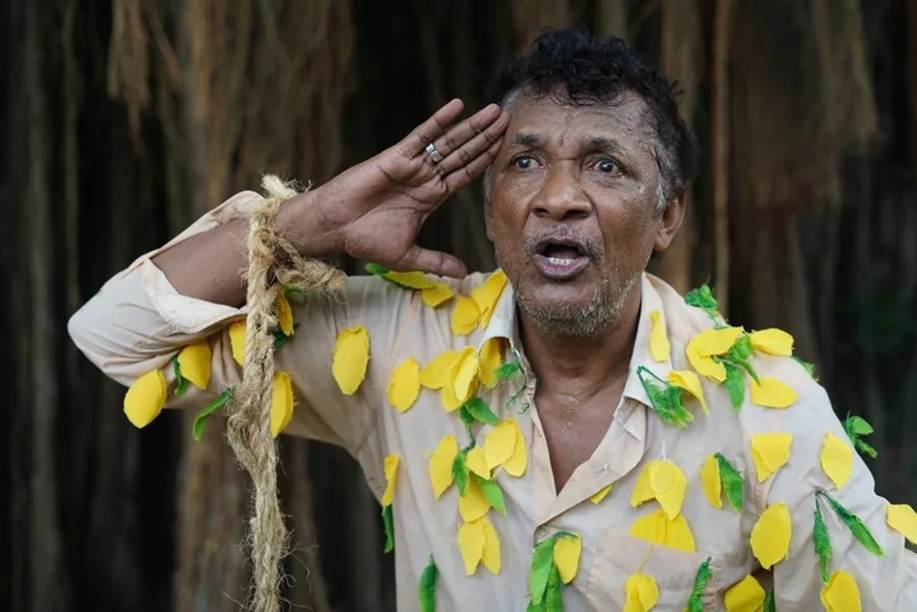
In Aracataca, playwright Johnny de la Cruz becomes Colonel Aureliano Buendía. EFE photographed him performing a monologue from “One Hundred Years of Solitude,” a working artist inhabiting a fictional life that this town helped make possible. For a moment, the celebrated character depends on a living performer’s voice.
That distinction sits at the heart of preparations for March 6, 2027, the centenary of García Márquez’s birth. He recalled arriving at nine on a Sunday morning during an unseasonable downpour. Almost a century later, his hometown wants the anniversary to nourish something beyond another remembrance of its famous son.
Misión Aracataca seeks to restore heritage, support local creativity and establish an international cultural destination in Colombia’s Caribbean department of Magdalena. The recent two-day Festival Macondo is part of that effort, alongside creative workshops and routes through places associated with the writer.
Eduardo Brito, Magdalena’s culture secretary, told EFE that the departmental assembly had designated the writer’s birthday as Día de Gabo. He said funding has been allocated to the festival and programming with international ambitions. His reported remarks did not specify an amount. The department’s commitment will mean more if it survives the birthday, making preservation and programming routine responsibilities rather than a brief commemorative expense.
The anniversary arithmetic is revealing. In 2027, the town will mark 100 years since his birth, 60 since the publication of “One Hundred Years of Solitude” and 45 since his Nobel Prize. Recognition is hardly new. The challenge is making that accumulated prestige useful to people creating here now.
The House Remembers More
García Márquez lived in Aracataca only until he was eight, according to the childhood account EFE recalled. Those years were brief beside the decades of recognition that followed, but they supplied something fame could not manufacture: the particular voices of home. His maternal grandfather, Colonel Nicolás Márquez, had fought in the Thousand Days’ War. His grandmother, Tranquilina Iguarán, inhabited a family world threaded with superstition and stories in which the dead remained near the living. Their grandson would transform that inheritance rather than merely transcribe it.
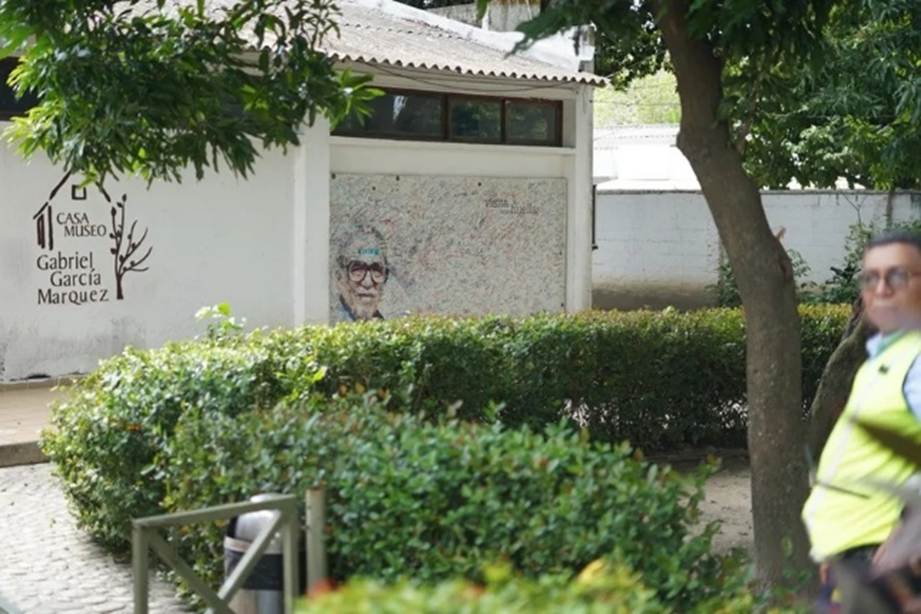
The Casa Museo reconstructs the grandparents’ home. The boy’s bedroom and his grandfather’s office bring an internationally celebrated life back to domestic proportions. The kitchen and patio matter because a writer’s imagination did not begin in an institution built to honor him. It began among relatives.
In his memoir “Living to Tell the Tale,” García Márquez remembered his mother asking him to accompany her to sell the house. No one needed to identify which house she meant. As he wrote in a passage cited by EFE, “for us, only one existed in the world.”
But family memory was never insulated from the region’s violent history. Aracataca belonged to the banana economy shaped by United Fruit Company. The child heard about the violence surrounding the 1928 banana workers’ strike, an episode later transformed within “One Hundred Years of Solitude.”
The strike came the year after his birth. That timing matters: this was history transmitted to a child, not the testimony of an adult witness. The novel preserves the force of collective memory, but its fictional transformations should not be mistaken for an archival record.
A cultural route that stops at enchantment would therefore miss part of what made Macondo possible. Remembering the workers alongside the writer keeps labor and violence in the story, rather than letting magical realism become a pleasant label that covers uncomfortable history.
Who Gets the Next Chapter
Festival director Catalina Valencia told EFE that the gathering should be a place where “literature, art and community meet.” This year’s tribute to Rafael Escalona, García Márquez’s friend and fellow Caribbean storyteller, makes that ambition unusually concrete. Escalona accompanied him to Stockholm for the Nobel ceremony in December 1982 and composed “El Vallenato Nobel.” García Márquez famously called his novel “a 350-page vallenato,” a comparison EFE’s reporting recalls. The comparison places a celebrated book beside the region’s sung stories, rather than above them.
Valencia described a friendship sustained by their shared ability to turn everyday people and experiences into enduring stories. Honoring Escalona widens the frame beyond the solitary literary genius. The novelist belonged to a culture already skilled at making memory travel through music.
That offers a practical standard for the centennial. A festival can bring audiences together for two days. Creative workshops must leave residents with opportunities after the stage comes down. Heritage routes should make local knowledge valuable, not reduce the people carrying it to background scenery.
International attention could bring customers to artisans and listeners to performers. Whether it does will depend on how participation is organized and how steadily cultural work is supported. An official commemorative day creates a recurring date; it does not automatically create a livelihood.
Aracataca has roughly six months to turn its ambition into an experience visitors can enter without overlooking the people who live there. The strongest tribute would not ask another child to become García Márquez. It would give that child somewhere to read, somebody to learn from, and permission to tell a different story.
Also Read: Mexican Journalist Finds Home Needs Instructions, Then Builds Retache for Fellow Returnees