Argentina Faces Cruise Health Alarm as Hantavirus Shadows Regional Travel
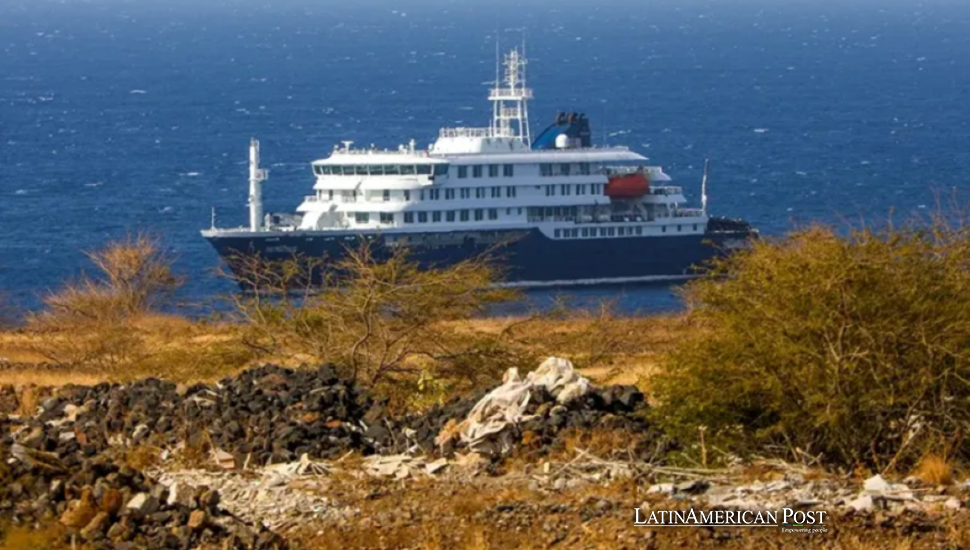
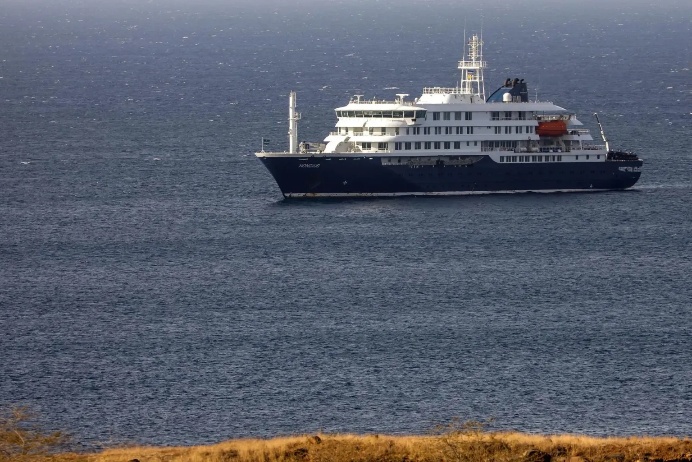
A suspected hantavirus outbreak aboard the MV Hondius, which departed Argentina before crossing remote Atlantic routes, has turned a cruise emergency into a regional lesson about ports, public health, tourism, and the fragile border between adventure travel and epidemic fear.
When a Voyage Becomes a Warning
The MV Hondius left Argentina on March twentieth carrying the promise of the far south: Antarctica, the Falkland Islands, South Georgia, Nightingale Island and Tristan da Cunha, those names that sound less like destinations than edges of the map. Now the ship is not being remembered for its itinerary, but for a suspected hantavirus outbreak that has left three people dead, one passenger evacuated to South Africa, and two crew members still on board with acute respiratory symptoms.
For Argentina, the episode lands with an uncomfortable force. The country was not where the ship sought emergency docking this week. Cape Verde refused the vessel entry at Praia on public health grounds, and Oceanwide Expeditions said it was considering options in Spain’s Canary Islands, including Las Palmas de Gran Canaria and Tenerife, for further medical examinations and case management. Still, Argentina sits at the beginning of the route. That matters, not because the notes show blame, but because departure points carry reputational, logistical and health responsibilities in modern travel.
The company said one crew member has mild respiratory symptoms and another is severely ill, both needing urgent medical attention. It also said preparations are underway for possible medical repatriation, while stressing that any disembarkation, evacuation or testing would require authorization and coordination with local health authorities. That language tells the story of our age. A ship is not only a ship anymore. It is a floating jurisdictional problem, a medical ward, a diplomatic file and a test of every country along its route.
Cape Verde’s refusal was framed through the precautionary principle under the International Health Regulations. Its health ministry said national authorities made the decision after a technical and epidemiological assessment. The ship, according to authorities there, remained at sea under constant monitoring after entering the country’s waters on Sunday. A specialized medical team, including doctors, nurses and laboratory technicians, was providing care on board, while contingency plans were prepared at Dr. Agostinho Neto Hospital in case advanced treatment was needed.

Argentina’s Remote Tourism Dilemma
Argentina has spent years selling the southern imagination to the world. Patagonia, Ushuaia, Antarctica-bound departures, sea ice, penguin colonies, brutal wind, beautiful distance. It is a powerful tourism identity, and it brings real money, visibility and prestige. But the MV Hondius case shows the other side of that geography. Remote travel is romantic until illness appears. Then remoteness becomes delay, distance becomes risk, and every port must decide how much danger it can accept.
The vessel carried 149 people of 23 nationalities, including 14 Spanish citizens. That mix is important. Latin America’s tourism gateways are no longer local doors. They are global intersections. A ship that departs Argentina can become a question for Cape Verde, South Africa, the Netherlands, Spain, the World Health Organization, embassies and foreign ministries. Oceanwide said it is working with international and national bodies, including the WHO, the Dutch foreign ministry and public health authorities.
This is what regional integration looks like when it is forced by emergency rather than planned by diplomats. Disease ignores the clean lines drawn on maps. It travels through itineraries, contracts, ports, bodies and uncertainty. For Argentina and the region, the lesson is not panic. Hantavirus is typically transmitted through contact with urine or feces from infected rodents, and only rarely can it spread between people. But rare does not mean irrelevant when there are deaths, respiratory illness and a vessel seeking permission to land.
The WHO said at least six cases had been recorded so far, including three deaths and three people currently ill. Among the fatalities were a Dutch couple, a 70-year-old man and a 69-year-old woman, who died separately on Saint Helena and in Johannesburg, according to South African health authorities. Another patient, a British national who became ill while the ship traveled from Saint Helena to Ascension Island, remained in critical isolation in Johannesburg. That patient is the only case so far confirmed by laboratory testing.
Those details should slow down the easy politics of blame. A suspected outbreak is not the same as a fully mapped chain of transmission. The notes do not establish where exposure occurred. They do not say Argentina caused it. What they do show is a fragile system built around movement, and a region that must be ready when adventure travel produces medical uncertainty far from ordinary infrastructure.
The Region Learns at Sea
For Latin America, the MV Hondius is a reminder that public health is also foreign policy. When Cape Verde refused docking, it was protecting its population and its hospital capacity. When Spain’s Canary Islands emerged as possible destinations, they became potential managers of a crisis that had crossed oceans. When South Africa treated and isolated patients, it became part of the same chain. Argentina, as the departure point, becomes part of the story even if the emergency now unfolds elsewhere.
The region should take this seriously because Latin America depends heavily on travel, ports, ecological branding and remote-destination tourism. From Patagonia to the Amazon, from Caribbean islands to Pacific routes, the selling point is often contact with extraordinary environments. But extraordinary environments require extraordinary preparedness. Cruise operators, port authorities and health ministries need protocols that are not improvised once a ship is already floating between jurisdictions with sick people on board.
The human dimension is easy to lose behind the acronyms. Passengers have reportedly been informed and are receiving support. Strict precautionary measures have been implemented on board, including isolation protocols, enhanced hygiene and continuous medical monitoring. Yet somewhere on that vessel, people are waiting for permission, diagnosis, evacuation, or simply news. Somewhere, crew members who make the dream of remote travel possible are sick and dependent on decisions made by governments far away.
That is the uncomfortable moral center of the story. Tourism often sells the traveler’s experience, but emergencies reveal the workers, the medical teams, the port officials, the countries asked to absorb risk, and the families waiting for bodies or phone calls. A cruise itinerary can be marketed as escape. A suspected outbreak turns it back into the world.
For Argentina, the moment should push a sharper conversation about health screening, cruise departure coordination, emergency disclosure and the responsibilities attached to Antarctic and South Atlantic travel. For the region, it is a warning written in maritime time: the next crisis may not wait for borders to agree. Public health systems must be as mobile as the industries they regulate.
The MV Hondius is still a ship at sea, but the message has already docked. In a connected region, no departure is purely local, no port decision is merely administrative, and no adventure economy can afford to treat preparedness as an afterthought.
Also Read: Mexico’s Cenote Angelita Hides a Ghost Cloud Beneath Sacred Waters