El Salvador’s Turtle Guardians Turn Egg Trade Into Coastal Survival
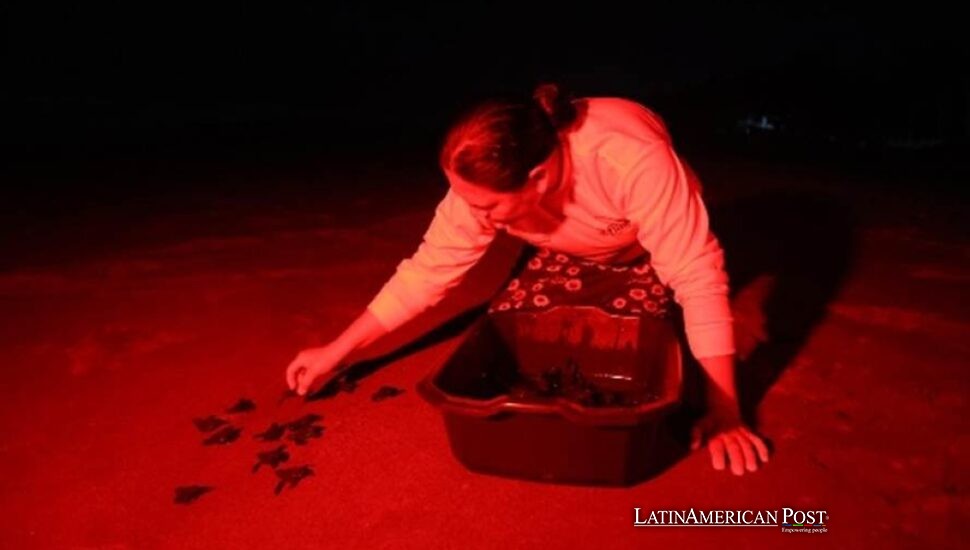
On El Salvador’s black-sand coast, former turtle-egg seller Dora Martínez now spends nights protecting nests. Her reversal reveals how women-led conservation can replace a destructive trade, preserve marine ecosystems, and give coastal communities a stake in the survival of turtles.
The Night Shift That Changed Sides
Night settles over Playa Dorada. The black sand seems to disappear. Beyond the surf, a female sea turtle moves toward shore, carrying the next generation. Dora Martínez waits.
The Salvadoran woman knows this ritual from both sides. Years ago, she made money selling turtle eggs gathered along the beaches of Barra de Santiago, in southwestern El Salvador. The trade helped cover daily expenses. It also emptied nests before they could become anything more than merchandise.
Martínez eventually understood what that income was costing the coast. Since 2000, she has worked with the Barra de Santiago Women’s Community Development Association, known as AMBAS, protecting the same eggs she once sold.
“We care for them so the species does not disappear,” Martínez told EFE. Her work means remaining beside the water all night, waiting for a turtle to emerge, collecting the eggs after they are laid, and carrying them to a guarded incubation enclosure.
The shift is dark, tiring, and uncertain. Martínez told EFE she was afraid during her first year. Over time, the night became a workplace of vigilance.
In 2025, Martínez said, the community released about 19,000 hatchlings into the Pacific. The achievement matters because residents whose knowledge of tides, nesting habits, and hidden sand once supported the egg trade now use that knowledge to keep nests alive.

A Ban Cannot Replace a Livelihood.
Barra de Santiago lies nearly 100 kilometers from San Salvador, beside a protected area and a tourist beach visited by leatherback, olive ridley and prieta turtles. Ecological wealth here has long existed beside economic scarcity.
That tension matters. Eggs were sold because immediate income could outweigh an invisible future. A protected nest might benefit the ecosystem years later. A basket of eggs could buy something that evening.
El Salvador banned the consumption of turtle eggs, meat, and other products in 2009. Violations can bring fines up to $30,000 or five years in prison, severe penalties for fragile coastal household economies.
The law drew a necessary line, but punishment alone could never produce Martínez’s transformation. A prohibition can stop a transaction. It cannot replace lost income, convert local knowledge into conservation, or persuade residents that a living turtle is worth more than its eggs.
Martínez joined AMBAS in 2000, nine years before the national ban. The women’s association did more than enforce a rule from the capital. It built a different local common sense, one protected nest at a time.
Ricardo García, coordinator of the incubation hatchery, told EFE that awareness campaigns helped residents see conservation as more beneficial than consumption and sale. Effective conservation in Latin America often depends on whether communities are treated as suspects or partners.
When residents face only fines, the state risks criminalizing poverty while leaving its causes untouched. When they are organized, trained and trusted, skills once tied to extraction can become the foundation of protection. Barra de Santiago shows the difference.
What Reaches the Sea Returns to Shore
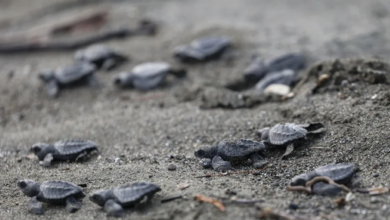
From August through November, hundreds of turtles arrive along El Salvador’s Pacific beaches. At night, a female crawls from the water, digs into the sand, lays her eggs, covers them, and returns to the ocean. What remains is defenseless.
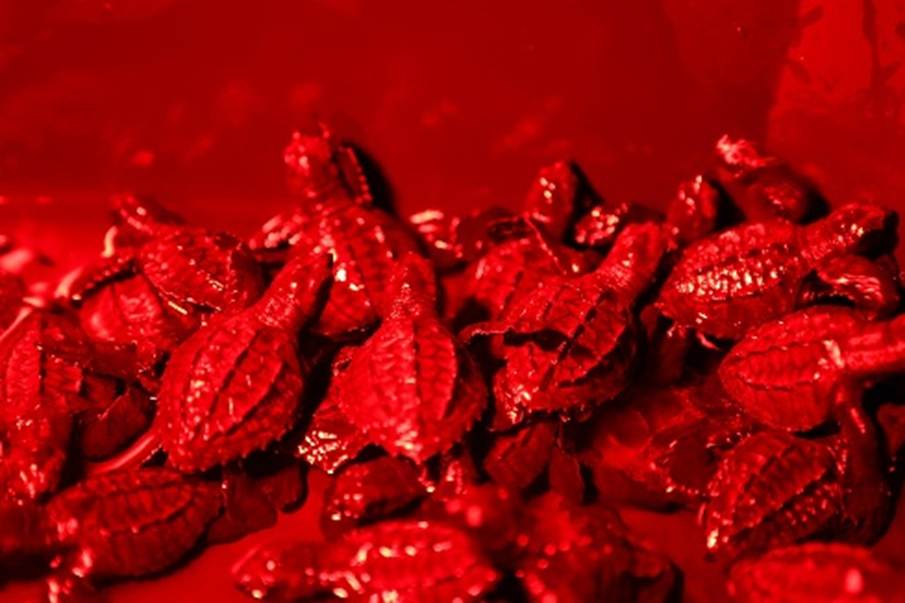
Animals uncover nests. Humans do too. The incubation enclosure changes the odds by placing eggs under watch until the hatchlings emerge.
García told EFE that sea turtles help control jellyfish populations, which can become harmful when marine systems lose balance. They also move nutrients between ocean and land. Even eggshell calcium returns to the sand, where other organisms can use it.
The old egg trade was therefore more than a threat to individual animals. Removing nests disrupts exchanges that connect the sea, beach, and nearby life. Protecting them is not sentimental charity toward a beloved species. It is maintenance of coastal infrastructure created by nature.
The community also confronts an enduring myth. García said many people ate turtle eggs because they were believed to possess aphrodisiac properties. There is no such benefit, he told EFE. The eggs may contain heavy metals and are high in cholesterol.
Customs rarely disappear through legal language alone. They weaken when the story surrounding them changes. An egg once marketed as strength becomes a health risk. A turtle once treated as merchandise becomes part of a system sustaining beaches and human life.
Still, the lasting test is economic. Conservation cannot depend indefinitely on the sacrifice of people who have already surrendered income. Hatchery caretakers, organizers and night patrols perform skilled labor. Their success creates national value and strengthens Barra de Santiago’s appeal as a protected destination. That work deserves stable support.
Before dawn, Martínez may carry another clutch away from the open sand. Weeks later, if incubation succeeds, tiny bodies will push upward and begin the dangerous crawl toward the Pacific.
The scene looks ancient. The arrangement protecting it is new. El Salvador’s turtles survive because a community changed its understanding, and because women such as Martínez changed sides. Reaching the water is half the victory. The other half is ensuring their guardians can afford to remain on shore.
Also Read: Bolivia’s Cinema Archive Turns Fifty With Chaplin’s Youngest Memory Keepers