Ecuadorean Film Tests Family Loyalty Against Quito’s Violent Criminal Underworld

Filmed across Quito in only 23 nights, Buenos Amigos turns a stolen backpack into a collision of teenage rebellion, organized crime, and chosen motherhood, asking whether Ecuadorean families can survive the false loyalties sold by money, violence, and social media.
A Backpack Opens the Trap
The trouble begins with something almost ordinary: a teenager trying to prove that nobody controls her.
In Buenos Amigos, Isabel resents Tatiana, the woman who has entered her father’s life and, by extension, her own. Played by Melissa Endara, Isabel rejects the new family arrangement with the sharp certainty of adolescence. Tatiana, portrayed by Karen Montero, is not simply an unwanted adult. She is living evidence that a household can be rebuilt without asking a teenager’s permission.
So Isabel escapes toward people who feel easier. Her “good friends” offer excitement, belonging, and the small glamour of breaking rules together. They finance their nights through petty crimes. Then they steal the wrong backpack.
Inside is evidence tied to a ruthless European mafia operating in the Andes. What began as youthful defiance becomes a mortal trap, and the friends who seemed permanent suddenly look very temporary. Isabel’s only possible rescuer is the stepmother she has spent the story resisting.
That reversal gives Cuban filmmaker Dwight Gregorich’s 80-minute thriller its emotional engine. The film may wear the clothes of action cinema, but its deepest question is domestic: what makes someone family when blood does not settle the matter?
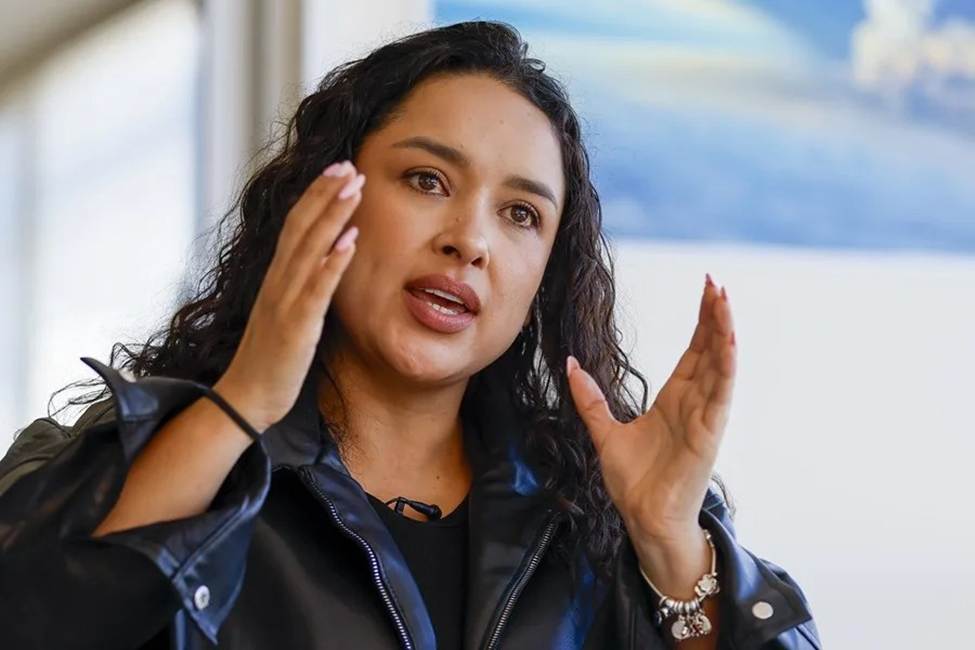
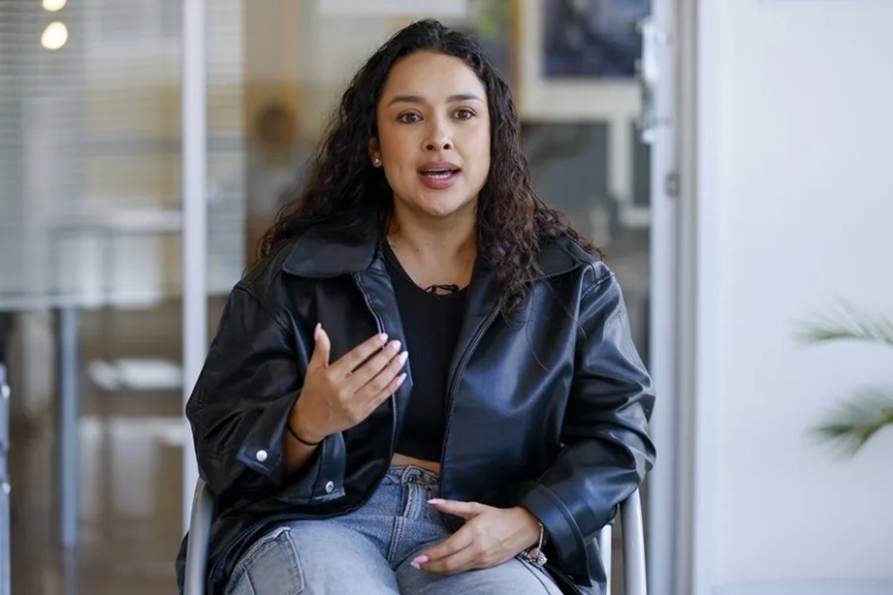
“To love by choice is a complex and uncomfortable process, but deeply transformative,” Montero told EFE. It means deciding to build an unconditional bond “regardless of blood.”
The Friends Who Sell Belonging
The stolen backpack is a classic thriller device, but in contemporary Ecuador it carries heavier meaning. The object is valuable because it contains evidence, yet it also symbolizes everything Isabel failed to understand about the people around her. She believed friendship meant shared fun. The crisis reveals that loyalty has a price, and some companions disappear when the bill arrives.
Montero said the film speaks to an Ecuador where it is increasingly easy to be “in the wrong place with the wrong people,” believing one knows them. She also described society as deeply polarized, according to EFE.
Polarization can shrink moral judgment into team loyalty. Online, young people are encouraged to confuse visibility with worth, money with success, and aggression with strength. Criminal lifestyles can be presented as shortcuts to status, stripped of the fear, betrayal, and grief that sustain them.
Buenos Amigos pushes against that fantasy without pretending teenagers are foolish. Young people often search for belonging where it is immediately offered. A group that laughs, spends, and breaks rules together can feel warmer than a tense home governed by adults. The danger lies in how easily affection becomes recruitment.
The film’s European mafia places global crime inside recognizably Ecuadorian streets, housing complexes, and family arguments. Organized crime is not an imported spectacle existing far from daily life. It arrives through a backpack, a friendship, a bad decision. Suddenly the international underworld is standing in a local doorway.
“The bad people, or people with damaged hearts, do not live in peace,” Montero told EFE. “They can buy justice or have economic prosperity, but they do not know what it is to sleep peacefully.”
The film asks its young audience blunt questions: Who is in your life? What holds your friendships together, values or entertainment? Would those people protect you?
Those questions work because the film does not arrive as a lecture. It uses action, humor, fear, and emotion. Commercial cinema becomes the vehicle, not the enemy of the message.
Quito Becomes More Than a Backdrop
Development accelerated at the end of 2025, and principal photography took place in February over 23 consecutive predawn shoots. Much of the action was concentrated in an adapted industrial location, a residential complex, and urban spaces provided by the Quito municipality.
The compressed schedule demanded planning, endurance, and a cast willing to manufacture danger while much of the city slept. It also gives the film a nocturnal texture. Quito is not merely scenery beneath dramatic lighting. It becomes the pressure chamber where family conflict and criminal threat converge.
The cast is predominantly Ecuadorian, with performers from Puerto Rico and Russia. That mixture reflects the film’s ambition to remain locally rooted while speaking in a commercial language that can travel. Its identity, the producers argue, lives in authentic dialogue, humor, kindness, and the warmth of family ties.
Feeling Entertainment plans to release the film in theaters in October and is already looking toward horror for its next project. The strategy is clear: build a sustainable commercial cinema through genres audiences already understand, then fill those forms with local anxieties and values.
The gamble is artistic and industrial. A regional film economy grows when viewers see their cities as places where suspense, action, and moral drama can happen at full scale, not merely as backgrounds for foreign productions or social realism.
Buenos Amigos begins with a theft and ends by asking what cannot be stolen. Trust, once broken, is difficult to rebuild. Family, when chosen, requires work. Friendship without values can become camouflage.
And in Quito, beneath the noise of a thriller, a stepmother runs toward the danger because love has finally become an action, when instinct would tell most people to flee.
Also Read: Mexican Pop Prince Cristian Castro Summons Metal Gods and Memory