Argentina and England Kick Open the World Cup’s Malvinas Vault
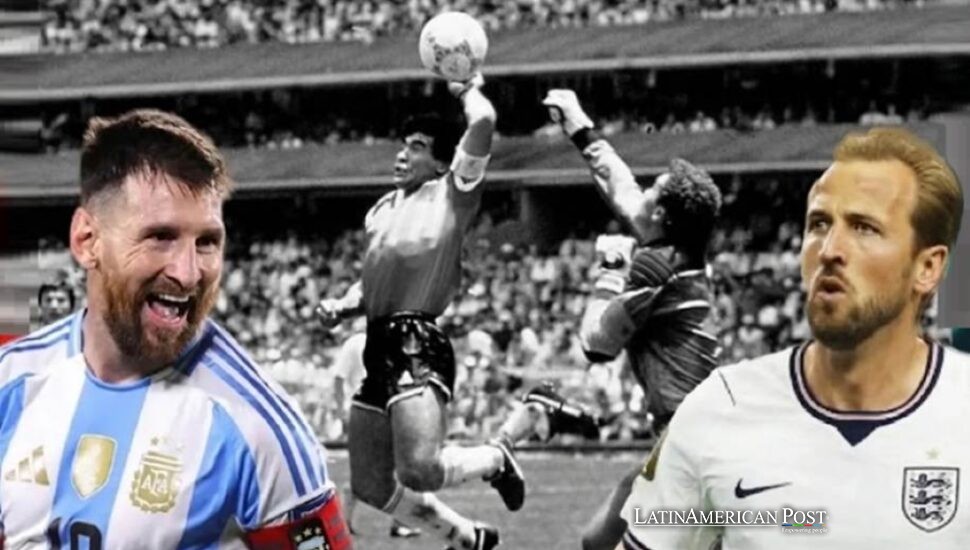
Wednesday’s semifinal brings Argentina and England together after two decades apart, reviving a football rivalry built from genius, grievance and national memory, where every tackle carries history and every goal threatens to awaken old stories neither country has fully buried.
Wembley Made the Rivalry Personal
This fixture has never needed many meetings to feel enormous. Argentina and England have faced each other only five times at the World Cup, yet four of those games produced a red card, a disputed goal, an illegal handball, a penalty shootout, or a contested spot kick. The scarcity is part of the voltage. Nothing gets normalized. Every encounter arrives preserved in glass, then breaks.
The first fracture came at Wembley in 1966. England won 1-0, Argentina captain Antonio Rattin was dismissed, and a quarterfinal became a referendum on power, language, and who controlled the story. Rattin said he wanted an interpreter. The referee wanted him gone. His long refusal ended with police escorting him from the field, while Argentina later called the match “the theft of the century.”
England manager Alf Ramsay called the Argentine players “animals” and stopped the traditional shirt exchange. Geoff Hurst later told ESPN that the game was among the nastiest he had played, but he also judged Ramsay’s words poorly chosen. That distinction matters. Football violence was common in that era. Dehumanizing an entire side was something else.
The practical legacy was extraordinary. Confusion around Rattin’s dismissal helped push FIFA toward the universal language of yellow and red cards. A match remembered as chaos produced one of football’s clearest systems. Even here, the rivalry’s pattern was set: institutional change on one side, permanent grievance on the other.
Maradona Turned Memory into Myth
Then came Mexico City in 1986, four years after Britain and Argentina fought over the Falkland Islands, known in Argentina as the Islas Malvinas. The war lasted weeks. Its emotional afterlife has lasted generations.
Diego Maradona scored twice in four minutes. The first came with his hand, hidden from the officials and instantly visible to the world. The second was a slalom through England that remains one of the sport’s purest goals. Fraud and beauty, side by side. That combination made the episode impossible to settle.
Oscar Ruggeri told ESPN Argentina that Maradona invoked the young Argentines killed in the war before the players entered the field. Ruggeri remembered a country asking for one thing: beat England. Maradona later called the handball “symbolic revenge.”
That phrase still exposes the rivalry’s deepest asymmetry. English players generally remembered a football injustice. Argentines carried football, war, and national humiliation together. For Britain, the 1982 conflict ended with a military victory. For Argentina, it became entangled with the collapse of a dictatorship that had sent poorly prepared conscripts into a desperate campaign.
This is why the Malvinas cannot be reduced to patriotic decoration. The islands remain a sovereignty claim, but the war also belongs to veterans, families, democratic memory, and the shame of military rule. A victory over England can feel cathartic without making any of that pain simple.
Across Latin America, the claim has long carried wider anti-colonial meaning. The region sees a European power holding South Atlantic territory near Argentina, amid valuable fisheries, possible energy reserves, and strategic approaches to Antarctica. Yet Latin America also knows the danger of governments turning territorial causes into emotional shields against domestic failure. The ghost has two faces: legitimate historical grievance and political temptation.
In 1998, the drama shifted from nations to one young man. David Beckham kicked Diego Simeone, was sent off and became England’s public villain after Argentina advanced on penalties. Beckham later said the aftermath was the hardest period of his career. Simeone acknowledged that he exploited the moment. The episode was ugly, theatrical, and deeply human: a reflex, a performance, then years of consequence.
Four years later, Beckham scored the penalty that beat Argentina in Sapporo. He described it as the moment England forgave him. The rivalry had become a machine for personal redemption, turning a national wound into one player’s second chance.
A Semifinal for a Changed Region
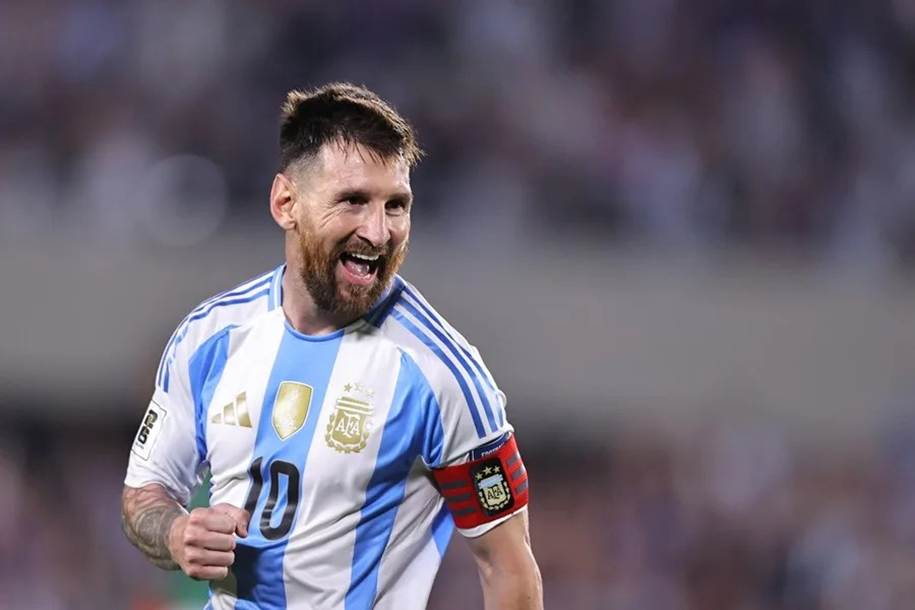
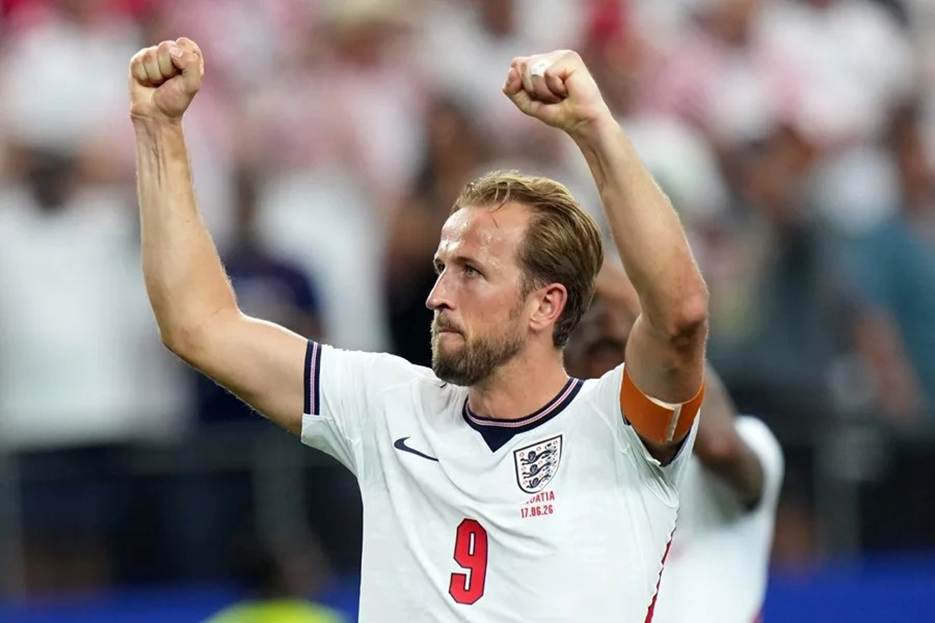
Wednesday’s meeting is the first World Cup clash since 2002 and the first game of any kind since England’s 3-2 friendly win in 2005. A generation has grown up knowing this rivalry mostly through replay packages, family stories, and grainy images of Maradona rising beside Peter Shilton.
The context has changed. Argentina is a democracy, though its politics remain sharply polarized and its economy repeatedly battered by inflation, debt and distrust. Britain is no longer the imperial center it was imagined to be in older Latin American narratives. Players now share clubs, agents, dressing rooms, and global audiences. Familiarity softens caricature.
But it does not erase memory. In Latin America, football still offers a rare arena where countries accustomed to financial dependence and diplomatic imbalance can confront old powers as equals. Ninety minutes cannot revise history, but it can briefly rearrange dignity.
That is the real charge of Argentina against England. The match is not a war by other means, and treating it that way insults those who died. It is something more complicated: a public ritual where inherited anger, sporting genius and national vulnerability are allowed into the same stadium.
When the whistle blows, the ghosts will not play. People will. That may be the rivalry’s most hopeful truth today.
Also Read: Colombia Bears the Scar, but World Cup Defeat Turns Players Into Global Targets Globally