Bolivia’s Evo Standoff Offers a Warning About Democratic Coercion
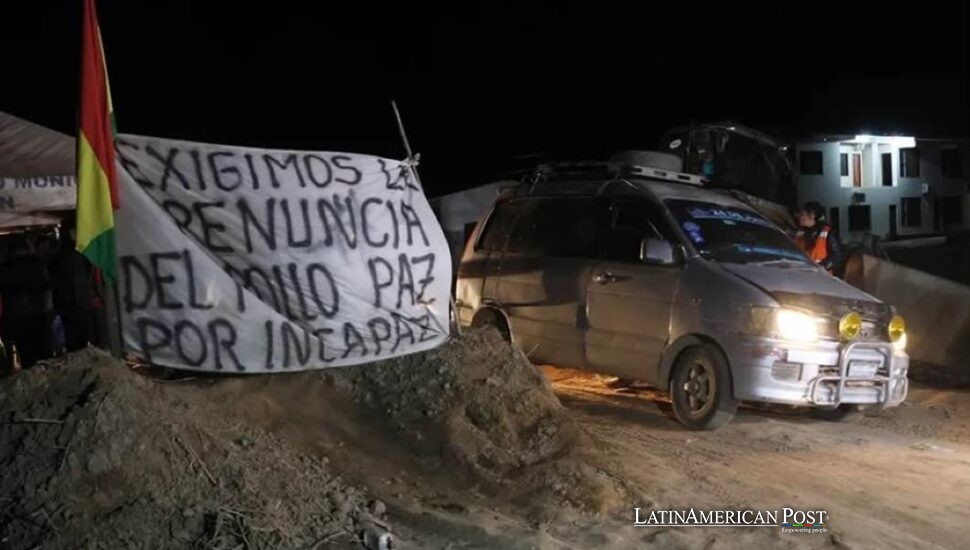
Bolivia’s pursuit of Evo Morales tests whether democratic states can punish coercive road blockades without turning justice into vengeance. The answer matters across Latin America, including Paraguay, where powerful leaders also learn how easily victimhood can become armor against accountability.
When Protest Becomes Collective Punishment
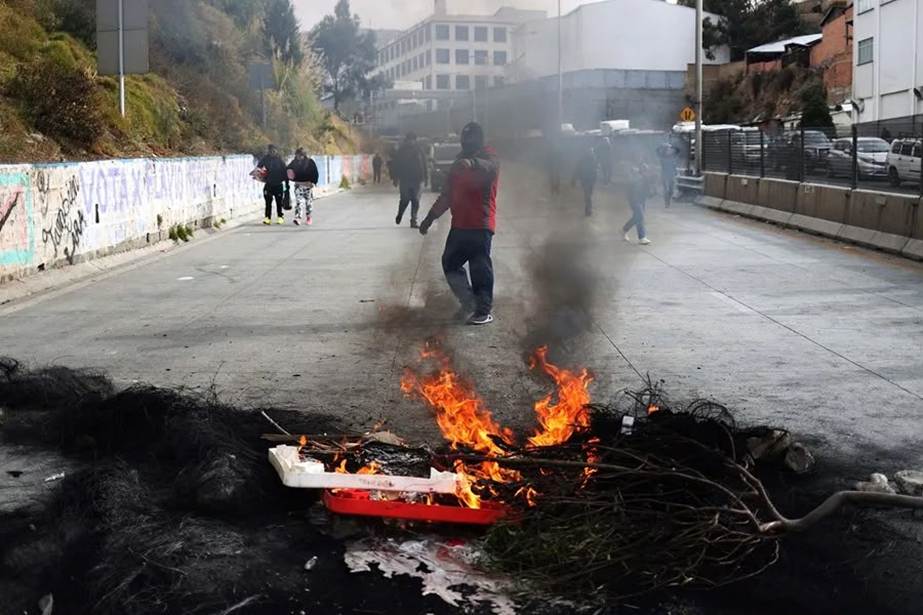
For seven weeks, roads across western and central Bolivia stopped behaving like roads. Trucks carrying food waited. Fuel thinned out. Oxygen meant for hospitals could not move fast enough. Families watched illness become more dangerous because an ambulance, a cylinder, or a doctor was trapped behind a political demand.
At least 16 people died during the unrest, according to the official account cited by EFE. Thirteen reportedly died after failing to receive timely medical care because of the blockades. Economic losses exceeded $3 billion. The protests, backed by sectors aligned with former President Evo Morales, demanded President Rodrigo Paz’s resignation.
Now Bolivia’s government says arresting Morales is a priority. Prosecutors have issued a warrant accusing him of terrorism and armed uprising over his alleged responsibility for the mobilizations. A separate warrant remains active in an aggravated human trafficking case involving an alleged relationship with a minor while he was president.
Morales denies trying to remove Paz and says officials are blaming him to hide Bolivia’s economic and social crisis. Yet on May 24, he told the president that only two paths remained: militarize the country or call elections within 90 days. That does not prove he directed every roadblock. It is relevant evidence of the result he encouraged while pressure mounted outside constitutional channels.
The blockades ended after agreements with sectors including the Bolivian Workers’ Center and a June 20 state of exception. The damage remained.
Bolivia has a proud and painful protest tradition. Miners, peasants, Indigenous movements, unions, and neighborhood organizations have taken to the street when institutions ignored them. But a tactic does not remain democratic merely because oppressed groups once used it.
Civil resistance protects democracy when it is public, proportionate, nonviolent, and aimed at correcting injustice. It becomes anti-democratic when it blocks medicine, imposes lethal scarcity, or tries to overturn an elected government through physical coercion rather than votes, courts, or constitutional procedures.
A roadblock lasting hours can dramatize exclusion. A nationwide blockade lasting weeks can become an unofficial state, deciding who eats, who travels, and who reaches treatment. When thirteen deaths are linked to delayed care, the moral language of protest is no longer enough.
Justice Must Reach the Powerful
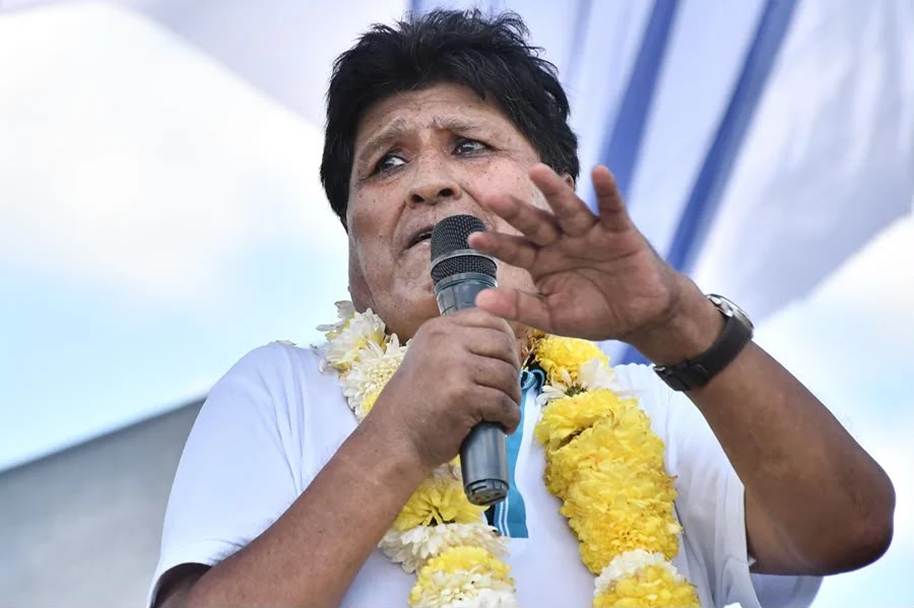
Morales should face a court. That conclusion does not require believing every accusation against him or forgetting his historic political importance. It requires something simpler: former presidents cannot live above the law.
Paz said he appeared before courts 16 times during Morales’s government and five more under Luis Arce. Morales, he argued, must answer a summons as any Bolivian would. In principle, he is right.
Still, the government must be careful. Latin American states have repeatedly used charges such as terrorism, sedition, and armed uprising to criminalize dissent. The seriousness of those accusations demands more evidence, not less. Prosecutors must show what Morales allegedly ordered, financed, coordinated, or knowingly enabled. Political affinity with demonstrators cannot substitute for individual responsibility.
The phrase “priority task” also carries risk. Justice should be urgent when lives were lost, but it should not sound like a presidential objective. The government must publish the legal basis for the warrant, preserve judicial independence, and keep the blockade investigation separate from the trafficking case.
Morales cannot claim persecution simply because prosecution is politically explosive. Since October 2024, he has remained in the Tropic of Cochabamba, protected by hundreds of supporters who have prevented authorities from executing an earlier warrant. Presented as solidarity, that protection creates a territorial exception where loyalty competes with law.
Playing the persecution card is corrosive when it borrows real histories of state abuse to shield personal power. Gender, ethnicity, and class name genuine structures of exclusion. They are not rhetorical immunity from evidence or law. Using identity that way cheapens the suffering of people who actually face discrimination.
Do Not Manufacture a Martyr
The state’s greatest danger is not only failing to arrest Morales. It is arresting him badly.
A violent raid could produce deaths, deepen regional hostility, and hand Morales the martyrdom narrative he needs. Bolivia knows how security operations can turn legal disputes into communal wounds lasting generations.
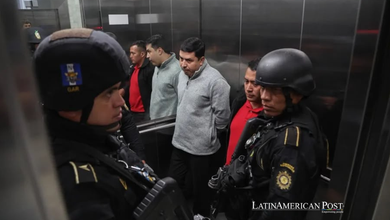
The better course is a negotiated surrender under visible judicial guarantees. The ombudsman, human rights observers, defense lawyers, and medical personnel could witness the transfer. The government should rule out humiliation and military spectacle. Morales should receive counsel and a public hearing. His supporters should permit officers to execute the warrant without violence.
That is democratic strength, not weakness.
Paraguayans and other Latin Americans should watch because the regional temptation is familiar. Powerful leaders merge themselves with the people, then describe an investigation as an attack on the movement, the poor, the nation, or history. Accountability is recast as betrayal.
Bolivia should reject both extremes. Morales’s followers cannot use roads and protective crowds to decide whether law applies. Paz’s government cannot use public anger, economic losses, or the language of terrorism to decide guilt before trial.
The victims of the blockades deserve facts. Families who waited for oxygen deserve more than slogans. Morales deserves due process, not sanctuary. The government deserves obedience to lawful warrants, not permission to seek vengeance.
Democracy survives when a former president can be arrested without being disappeared, prosecuted without being pre-condemned, and defended without paralyzing a country. Bolivia’s roads have reopened. Its institutions now must prove they can move too.
Also Read: Brazilian Ballots Turn Toward Barracks as Lula Seeks Fourth Mandate