Santa Marta Under Military Watch as Paramilitaries Burn Buses and Threaten Shops
Burned buses and threatened shopkeepers have brought Santa Marta under military reinforcement. A paramilitary group’s declared 48-hour shutdown exposes the vulnerability of Colombia’s Caribbean tourism economy, as residents weigh the risks of opening businesses, boarding buses and traveling to work.
A Shutdown at Gunpoint
The instruction to shopkeepers was simple: do not open. Across Santa Marta on Tuesday, armed men threatened merchants while vehicles burned and gunfire broke out. EFE’s reporting describes an interruption imposed on people trying to earn a living, not a protest they had chosen to join.
The Autodefensas Conquistadoras de la Sierra Nevada, or ACSN, announced a 48-hour armed shutdown after its second-ranking commander, known as Cholo, was killed in a security operation. The violence extended an escalation that began Monday, when two public buses were burned, and gunmen blocked the Troncal del Caribe, the principal highway across northern Colombia.
By Tuesday, authorities were reporting additional attacks on trucks and buses. President Abelardo de la Espriella ordered military and police reinforcements, then announced that Santa Marta would be militarized. The confrontation had moved from an operation against an armed leader into streets where civilians now faced threats for going about their business.
The phrase “armed strike” obscures that distinction. In the restrictions described by EFE, a closed storefront is not evidence of support for the group. It can be evidence that its owner has been threatened. Treating forced compliance as consent would misread the very mechanism through which the shutdown operates.
Forty-eight hours is a short period on a calendar, but the economic consequences need not end with it. Lost trading time is one cost; a destroyed bus is another. Reopening a road does not replace the vehicle or recover the journeys, deliveries and working hours already lost.
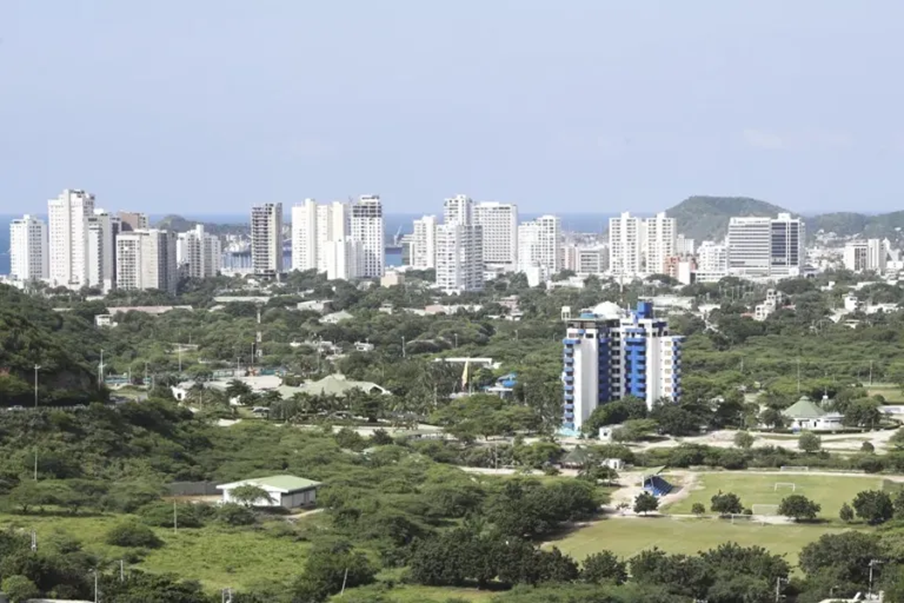
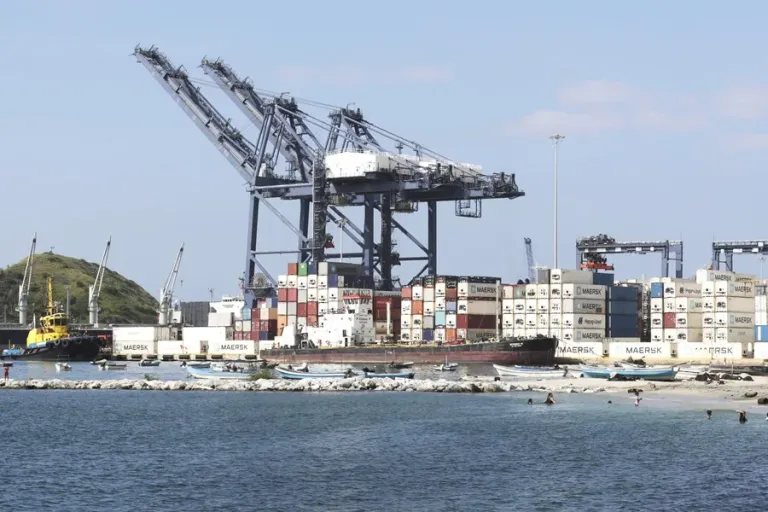
Santa Marta’s beaches, mountain landscapes and historic attractions make it a major Colombian tourism destination. Yet the transport networks that serve visitors also carry workers and goods. Disruption can therefore travel beyond the location of an attack without requiring every neighborhood or hotel to close.
The burden also depends on how a household earns its money. For someone paid by the trip or the day, postponed work may mean income that never returns. A business with savings can absorb a closure differently. No verified loss estimate accompanied EFE’s initial account, but those differences explain why a shutdown cannot be understood simply as two days removed from the city’s commercial calendar.
One Commander, a Wider Network
Authorities accused Cholo of coordinating drug-trafficking routes toward Central America. De la Espriella said he had spent more than 15 years in criminal activity and had served as a peace facilitator during Gustavo Petro’s 2022–2026 administration, according to EFE. That designation was intended to enable contacts with armed organizations.
His death and the subsequent attacks concern different measures of an organization’s strength. Removing a senior commander can disrupt leadership while other members can still threaten transport operators and shopkeepers. The reported retaliation indicates continuing capacity for coercion; it does not establish how many members remain or who now directs them.
De la Espriella identified Fredy Castillo Carrillo, known as Pinocho, as the next operational target. Authorities describe him as the ACSN’s leader and financier. The allegations concerning finance and trafficking matter because an armed organization depends on more than the individuals immediately visible carrying weapons.
The president also announced three arrests in Santa Marta and two in Riohacha: five across the two cities. The Army separately reported detaining an alleged ACSN member accused of manufacturing improvised explosives for attacks against infrastructure and security forces, as well as intimidation of civilians.
EFE’s account does not clarify whether that suspect was included in the presidential total. The announcements cannot safely be added together as six arrests. Nor does an arrest count, without information about suspects’ roles and subsequent proceedings, measure how much of the organization has been dismantled.
Patrols and the Morning After
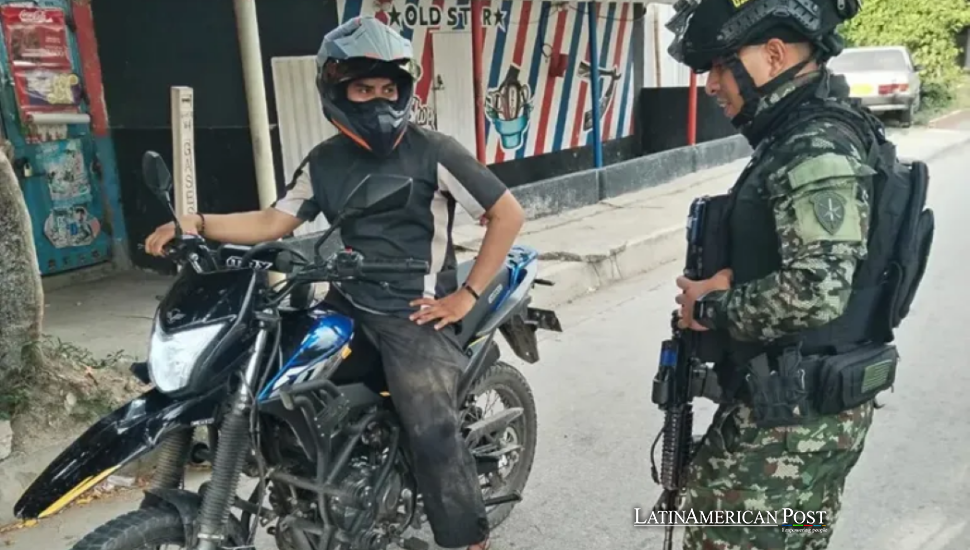
“I have ordered Santa Marta to be militarized,” De la Espriella said in remarks reported by EFE. Mayor Carlos Pinedo said police were deployed in the city and the Army was watching the Troncal del Caribe, placing protection along the same highway gunmen had obstructed.
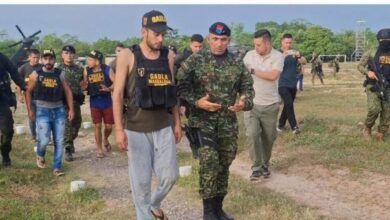
The president later appeared alongside security personnel in the Cristo Rey neighborhood. “We are directly with our security forces, patrolling all the neighborhoods,” he said in a video carried in EFE’s coverage. His presence made the national response visible on the streets.
His language was also explicit. Before the shutdown, he had warned wanted criminals that refusing to submit to justice would leave them “in a bag and dead.” He later said those who refused would be killed as permitted by law. Alongside the reinforcements, the warnings outlined the response he intended to pursue.
For businesses, deployment and recovery are different stages. A route needs both drivers willing to operate and passengers prepared to board. A shop needs deliveries as well as customers. Reinforcing a highway addresses movement along it; restoring the activity that depends on that movement also requires confidence beyond the next patrol.
The ACSN set a deadline for its shutdown, but that declaration provides no independent guarantee of safety when the hours expire. For Santa Marta’s residents, the immediate issue is not how confidently either side describes its strength. It is whether the next trip to work can be ordinary again.
Also Read: Brazil’s Thirty-Year-Old Electronic Voting System Faces Distrust as Presidential Race Tightens