Uruguay Weighs Becoming America’s Quiet Southern Landing Zone for Deportees
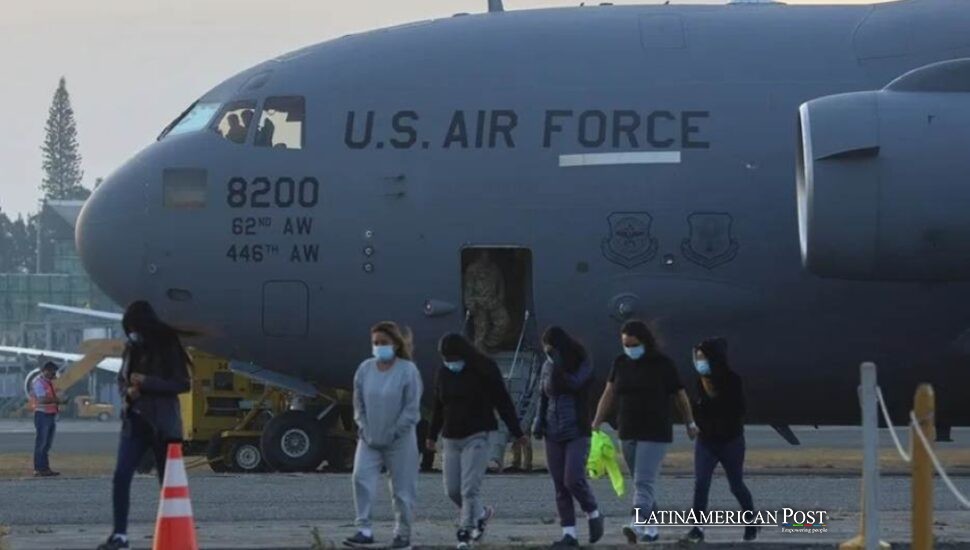
Uruguay is quietly discussing whether to receive migrants deported from the United States, testing a nation proud of humane migration policy against rising asylum backlogs, regional pressure, and Washington’s newly empowered drive to remove people faster and farther from home.
A Conversation Without a Contract
For now, there is no signed pact, no announced quota, and no aircraft scheduled to land in Montevideo. What exists is a months-long conversation between Uruguay and the United States over whether the South American country might receive deportees of several nationalities.
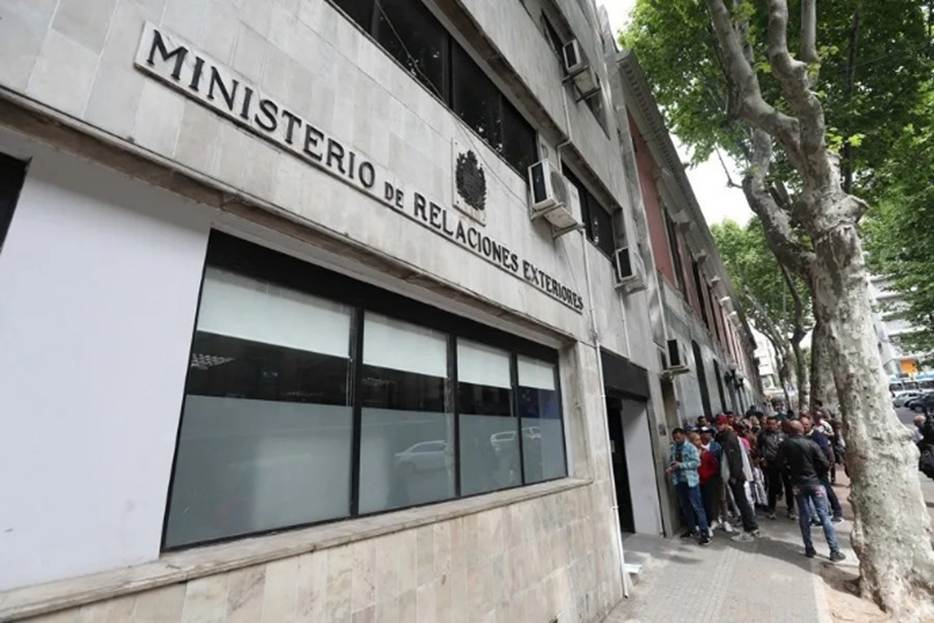
Uruguay’s Foreign Ministry confirmed the talks to EFE, stressing that no agreement has been closed. Officials also noted that Uruguay is not alone. Several governments across Latin America and the Caribbean are discussing similar arrangements with Washington.
That distinction matters. A dialogue explores possibilities; an agreement creates obligations, costs and human consequences that diplomatic language can conceal.
The proposal places Uruguay in an uncomfortable position. It has built regional credibility through legalization measures and a comparatively humane approach toward migrants inside its borders. Yet accepting people expelled by a third country would be different. It could turn migration policy from a national project of inclusion into an outsourced extension of U.S. enforcement.
The unanswered questions are practical and political. Who would be sent? Would Uruguay accept people with no connection to the country? Who would pay for flights, housing, legal assistance, and integration? Would deportees be free on arrival, eligible for residency, or expected to move elsewhere?
Until those questions are answered, the talks remain less a policy than a test of leverage. Washington has removals to carry out. Smaller countries are being asked to absorb part of the human and administrative aftermath.
A Welcoming System Under Strain
Uruguay’s own migration numbers explain why the discussion is more consequential than it may first appear. The latest census counted roughly 120,000 migrants living in the country. Argentines form the largest group, followed by Venezuelans and Cubans. About 44,000 foreign-born residents arrived between 2018 and 2023.
Those figures reflect a wider Latin American movement. Economic collapse, political instability and uneven recovery have pushed people through several countries, searching for somewhere paperwork, work and safety briefly align.
Uruguay responded in 2024 with its Residency Through Roots program, regularizing about 20,000 migrants, most of them Cuban. The United Nations refugee agency welcomed it. The policy recognized reality: people were already living in the country, forming relationships and trying to work, but remained trapped outside ordinary legal status.
Receiving U.S. deportees would invert that logic. Instead of regularizing an established population, Uruguay could be asked to receive people selected by another government’s enforcement priorities. Their legal cases, family ties, and personal histories may be rooted in the United States rather than in Uruguay.
The country is also confronting a severe asylum bottleneck. Uruguay received more than 16,000 refugee applications in 2025. In April, Deputy Foreign Minister Valeria Csukasi said authorities had accumulated 30,000 unprocessed claims, calling the situation “an enormous challenge,” according to EFE.
That backlog is not an abstract bureaucratic problem. Every unopened or unresolved file represents someone unable to plan a future with certainty. Adding deportees without new staffing, legal capacity and social support could deepen delays for people already waiting.
Uruguay’s reputation for openness is therefore not the same as unlimited capacity. Hospitality without institutions can become abandonment by another name.

Washington Pushes, Courts Pull Back
The talks are unfolding as the Trump administration gains broader authority to accelerate removals inside the United States. A federal appeals court in Washington allowed the government to resume expanded expedited deportations, a procedure historically concentrated near the southern border.
Under the policy, immigration agents may apply expedited removal nationwide to people who cannot prove at least 2 years of continuous presence, without first providing a hearing before an immigration judge. Judges Justin R. Walker and Neomi Rao, both appointed by Trump, formed the majority.
Walker wrote that the question was whether the written directive itself was unlawful, not whether officials might apply it incorrectly. He concluded that migrants retained a meaningful opportunity to be heard, EFE reported.
Judge Robert L. Wilkins dissented. He noted that immigration authorities had not disproved allegations that people present for more than two years had been deported under the expanded system. His warning reaches the Uruguay debate: speed increases the risk that errors cross borders before courts can correct them.
The Supreme Court also sided with the administration in Muk Choi Lau’s case. The Chinese lawful permanent resident faced removal after a counterfeiting case. Justice Clarence Thomas wrote that border officials were not initially required to prove by clear and convincing evidence that Lau committed a disqualifying offense.
Yet the administration has not won everywhere. Federal Judge P. Casey Pitts imposed a nationwide ban on ICE arrests at immigration courthouses, finding agencies had inadequately explained their policies. He also restricted prolonged detention in processing facilities.
Together, the rulings show a system moving in two directions at once. Washington is building faster routes to expulsion while judges continue to police where, how, and against whom enforcement occurs.
Uruguay now stands near the end of that pipeline. Its decision will not merely concern diplomatic cooperation. It will determine whether a country known for regularizing migrants becomes a destination chosen for them after the United States closes the door.
Also Read: Colombia Walks a Diplomatic Tightrope Between Palestine and Israel Again