Cuba’s Blackouts Turn Five Years of Dissent Into Daily Defiance
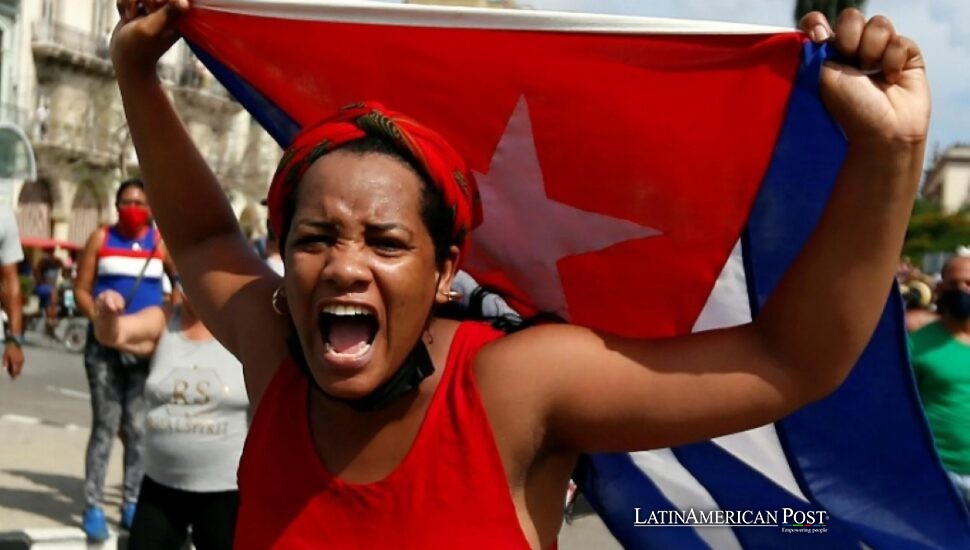
Five years after Cuba’s July 11 uprising, rolling blackouts, food shortages, political imprisonment, and quieter street protests have turned a historic explosion of anger into a daily confrontation between citizens demanding survival and a state determined to retain control.
The Revolution Meets the Dark
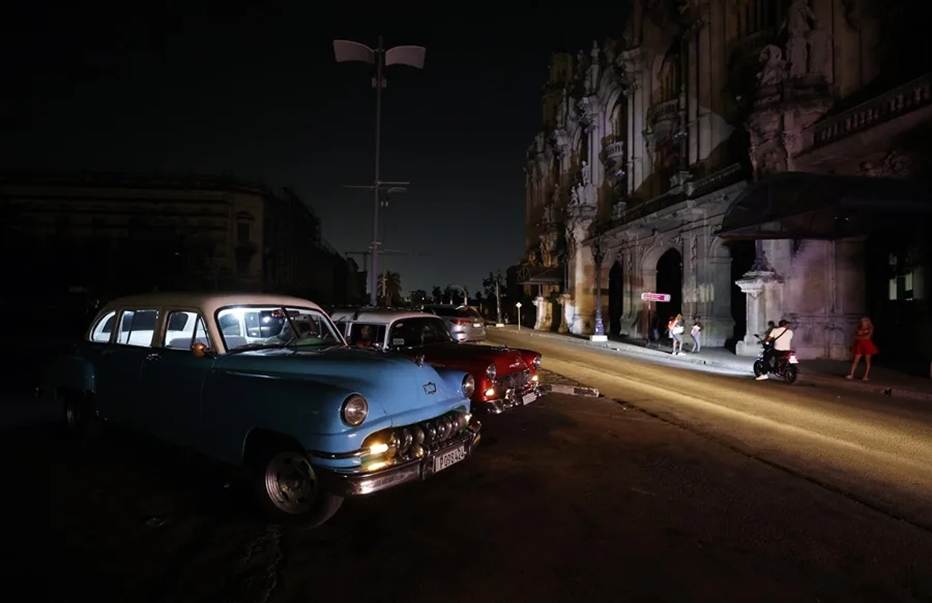
In Havana, darkness now arrives less like an emergency than an appointment. Refrigerators get warm. Water pumps stop. Fans fall silent in the Caribbean heat. Families rearrange meals around electricity’s uncertain return, conserving rice, batteries and patience. In the provinces, outages can stretch for three consecutive days.
Cuba suffered two nationwide blackouts in a single week and four so far this year. Even between systemwide collapses, the capital receives only one or two hours of power a day, EFE reported. That scarcity turns the electric grid into more than failed infrastructure. It becomes a daily measure of the state’s capacity to govern.
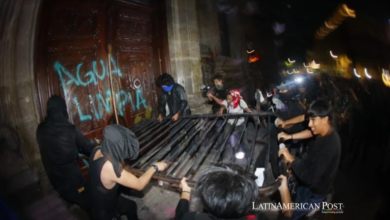
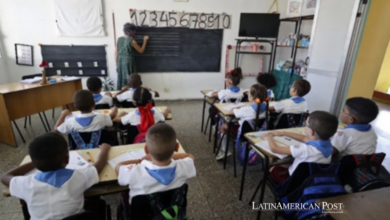
The protests are usually small now. A few dozen people gather on a block, bang pots, drag debris into the street, or burn trash. They ask for electricity, water, and food, demands so basic that they expose the political depth of the crisis. These are arguments over whether milk spoils, whether an elderly parent can sleep, whether a child can study after sunset.
The contrast with July 11, 2021, known simply as 11J, is stark. Demonstrations spread across the island with a scale and speed unseen in decades. Human rights organizations say more than 1,400 people were detained. Five years later, the mass uprising has not repeated itself. Instead, its grievance has fractured into neighborhood eruptions, brief and local, harder to capture as a national event but impossible to dismiss.
Marthadela Tamayo, a Cuban opposition figure interviewed by EFE, described an atmosphere of protest. She said the country can feel like a daily 11J, without the mass participation. Manuel Cuesta Morúa told EFE that deepening shortages and inequality could still produce another nationwide rupture.
That possibility rests on a profound change in Cuba’s political culture. For decades, the revolutionary government justified its monopoly on power through a social bargain: limited political pluralism in exchange for sovereignty, social services, and material security. It held while the state delivered schools, clinics, subsidized food, and basic order.
Today, the promise has thinned. Inflation is rampant. Basic goods are scarce. Public services are deteriorating. Partial dollarization has widened the gap between households with foreign currency and those paid in Cuban pesos. A system built in the name of equality increasingly sorts citizens by remittances, family abroad, and access to informal markets.
A Protest Movement Without a Plaza
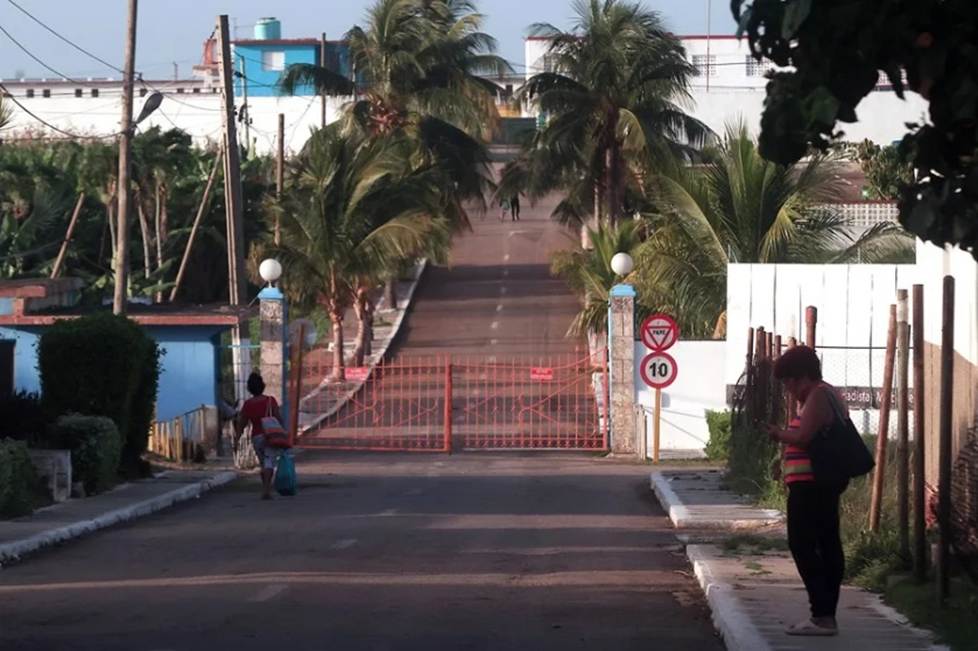
The government has learned from 11J. Opposition figures and rights groups describe faster surveillance, tighter controls on movement, digital monitoring, and broad criminal charges used to stop protests before they connect. Anger is everywhere, but organization is kept local. The pot banging on one Havana street may never reach the next neighborhood before police arrive.
Cuesta Morúa told EFE that authorities have severed links between civic leaders and ordinary citizens while making punishment deliberately expensive. Prison sentences are not only penalties for those convicted. They warn everyone watching.
The numbers underline that strategy. The Cuban Observatory for Human Rights reported at least 1,949 repressive actions during the first half of 2026. Human Rights Watch says roughly 800 people remain imprisoned for political reasons, almost half connected to the 11J demonstrations.
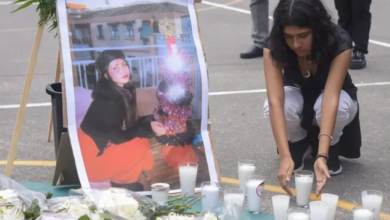
Among the most visible is artist Luis Manuel Otero Alcántara, leader of the San Isidro Movement. He was arrested on July 11, 2021, while trying to join the protests. His five-year sentence for contempt and public disorder ended July 9, but he was not released. Human Rights Watch said his freedom appeared to be conditioned on exile.
Exile has long served as a release valve for Cuban crises. It reduces domestic pressure while dispersing opposition abroad. But it also hollows out neighborhoods, separates families and makes remittances even more central to survival.
Washington Tightens the Vise
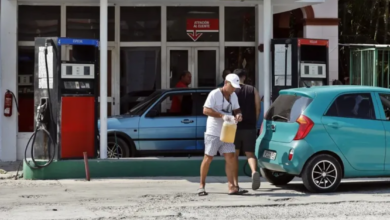
Cuba’s crisis is not produced by a single cause. Aging power plants, a centralized economy, weak productivity, and policy failures have eroded living standards for years. At the same time, Washington’s increased pressure over the past six months, including tighter oil restrictions and new sanctions, has made fuel scarcer and foreign companies more cautious.
The interaction is crucial. U.S. policy raises the cost of Cuba’s dysfunction, while Havana uses external pressure to explain failures rooted partly inside the system. Ordinary Cubans absorb both forces: they stand in food lines shaped by domestic scarcity and sanctions, then return to homes where the lights do not come on.
The Communist Party continues to frame 11J as both a failed attempt at destabilization and a popular victory. Roberto Morales Ojeda, the party’s organization secretary, wrote that the homeland would be defended. The language is martial, but the confrontation on the street is intimate.
A woman with a pot. A father blocking traffic after three nights without power. A family waiting outside a prison after a sentence has officially ended.
Five years after 11J, Cuba’s most consequential political fact may not be another march. It may be the normalization of refusal. The state still commands the institutions, police, and prisons. Yet citizens have crossed a psychological line: they protest not because they expect immediate victory, but because silence no longer feels possible.
Also Read: Five-Year Anniversary Finds Haiti Still Chasing Its President’s Killers