Colombia President-elect Abelardo de la Espriella’s Vows Cut to Petro’s Peace Mirage as Violence Exposes the Fraud
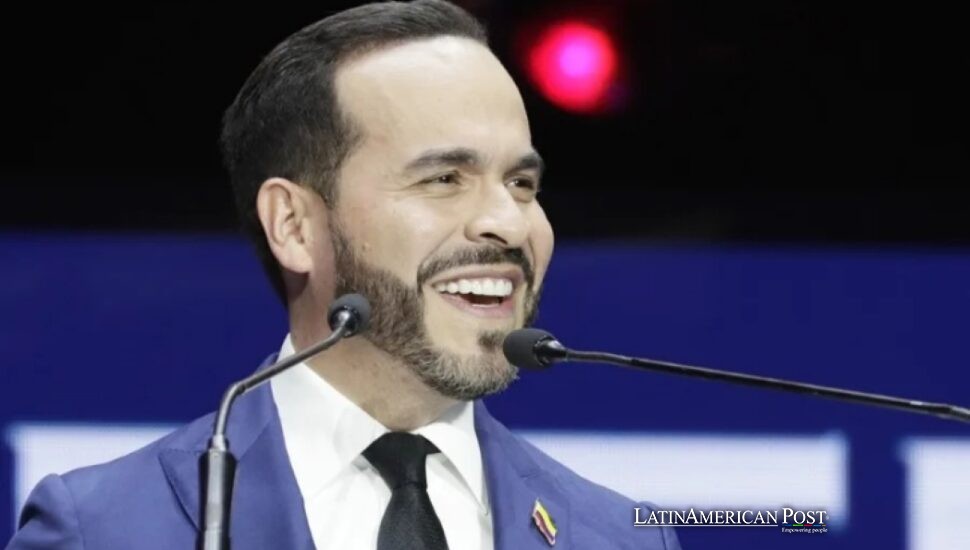
President-elect Abelardo de la Espriella’s vow to dismantle Total Peace is not vengeance. It is a course correction for a country where armed dissidents, gangs, and traffickers learned to monetize dialogue while civilians quietly paid the bill again in blood.
The Price of a False Calm
In Colombia, which rarely makes campaign videos, peace is measured in smaller units. A shopkeeper in Barranquilla is closing before dark. A farmer in Cauca is deciding whether the road is safe enough to bring yuca to market. A mother in Chocó was whispering because men with rifles ordered the village to stay inside. For them, the end of Gustavo Petro’s Total Peace architecture is not a tragic rupture. It is an overdue admission that a beautiful phrase became a dangerous hiding place.
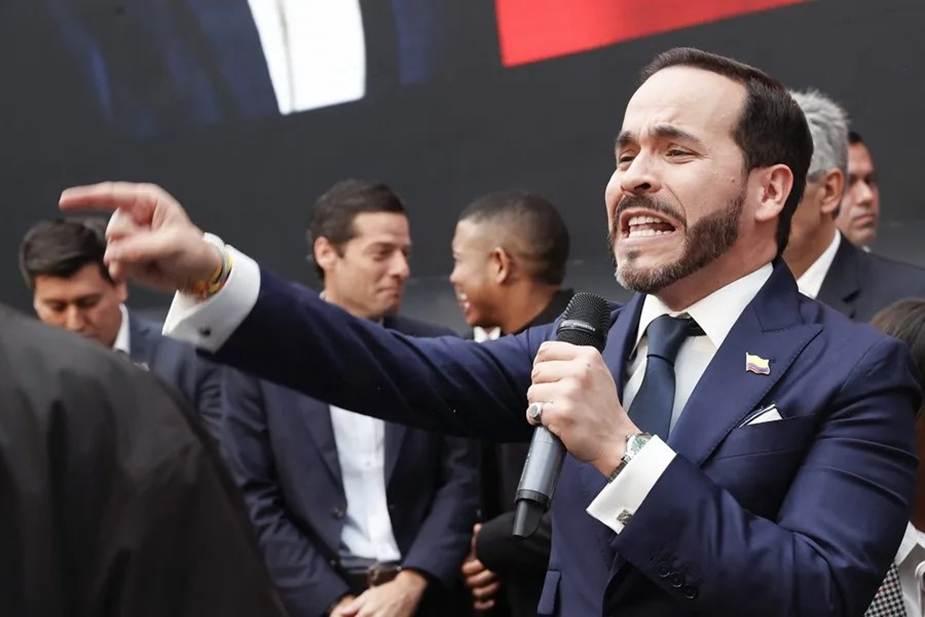
De la Espriella, certified after a razor-thin runoff reported as 49.6% to 48.7%, says that on Aug. 7 he will revoke benefits granted under the outgoing security policy, reactivate arrest warrants against illegal armed groups, and offer only one path: surrender to justice under existing law. His first announced decree would create an urban defense bloc for cities battered by gangs and extortion. That is a hard turn. It is also the first honest one Colombia has had in years.
The case is not ideological. It is empirical. Total Peace promised to negotiate at once with guerrillas, FARC dissidents, and high-impact criminal organizations. It lowered some visible confrontations between the state and armed groups, giving Petro’s defenders an early statistical calm. ACLED found that in the first 27 months of Petro’s presidency, fatalities tied to armed group violence were 11% lower than in the comparable prior period. But the same analysis explains the trap: the fall came largely from reduced clashes with security forces, while armed groups used the oxygen to expand territory, fight rivals and strengthen illicit economies.
When Talks Became Cover
That is the heart of the failure. Colombia did not get peace. It got armed bargaining. ACLED recorded armed group activity in more than 580 municipalities during those first 27 months, 43 more than in the previous comparable period. Violence between armed groups rose 40%, and more than 50 gangs appeared in the conflict record since 2018. Coca, illegal mining, migrant smuggling through the Darién, extortion, and land grabs gave every faction a reason to smile for negotiators while tightening its grip on civilians.
That is why De la Espriella’s move is positive. Colombia has had enough swagger, left and right, in uniforms and guayaberas. The positive part is the restoration of consequence. A criminal structure cannot be allowed to suspend arrest warrants, collect rent from neighborhoods, recruit boys, and then walk back to the table whenever pressure rises. That is not reconciliation. That is an installment plan for impunity.
The humanitarian data strips romance from the debate. The International Committee of the Red Cross said Colombia in 2025 suffered the worst humanitarian consequences of armed conflict in a decade. It recorded 965 people injured or killed by explosive hazards, documented 308 new disappearances, and cited official victim-unit figures of at least 235,619 people individually displaced, 87,069 displaced in mass events and 176,730 confined. Compared with 2024, individual displacement rose by 100%, mass displacement by 111%, and confinement by 99%. Those numbers are backpacks packed at midnight, abandoned pigs, missed school, medicine left behind.
Human Rights Watch reported that Petro’s government kept Total Peace alive, but talks with the ELN were suspended after the Catatumbo attack, negotiations with other groups made only limited progress, and the promise of reduced sentences and the retention of illicit profits for criminal actors exposed the moral hazard at the center of the project. Once violence becomes a ticket into negotiation, the gunman learns that the first requirement for political relevance is to remain dangerous.
Order Without Forgetting Rights
Colombia must not confuse a needed correction with a blank check. Latin America knows the old choreography: fear rises, strongmen arrive, rights shrink, and poor neighborhoods become laboratories for someone else’s security doctrine. The country still carries the wounds of paramilitary terror, false positives, and state abandonment disguised as state presence. De la Espriella’s policy will be positive only if arrest warrants mean prosecutors, judges and evidence, not theater; only if pressure protects civilians rather than punishing territories already trapped between flags.
Still, the alternative is worse. Los Pepes in Barranquilla and Atlántico showed the absurdity of negotiating urban criminality as if every gang were a wounded political movement. Caracol reported that the group withdrew from Total Peace talks after De la Espriella’s election, while La FM reported that its leaders later expressed an intention to submit to justice under the president-elect’s tougher framework. That sequence says plenty. When concessions are abundant, criminals haggle. When the law becomes credible, they calculate surrender.
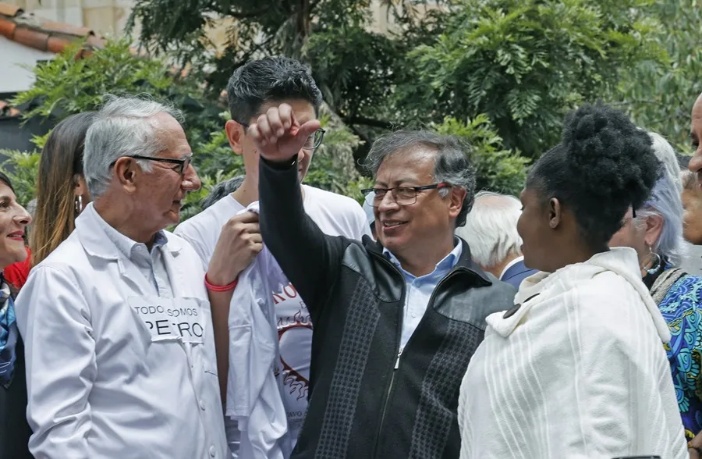
Even Petro’s final days have become an argument against his own model. He called for July 20 mobilizations to defend social reforms and stage his farewell, a democratic act in a country where the plaza still matters. But the plaza cannot substitute for the state in Tumaco, Arauca, Jamundí, Buenaventura, or Soledad. Flags in Bogotá do not stop extortion notes from sliding under shop doors.
The next government should keep what Colombia has painfully learned: peace requires state presence, rural dignity, and lawful demobilization. But it also requires a line. Petro blurred that line until dissidents and criminals treated freedom as operating capital. De la Espriella is right to redraw it. For Colombia, dismantling Total Peace is not the death of peace. It may be the first condition for making peace believable again.
Also Read: Colombia’s Israel Reset Looks Rushed as Washington Starts Squinting Harder