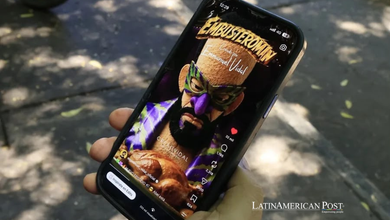
Israel Enters Colombia’s Ballot Drama as Petro Cries Digital Foul
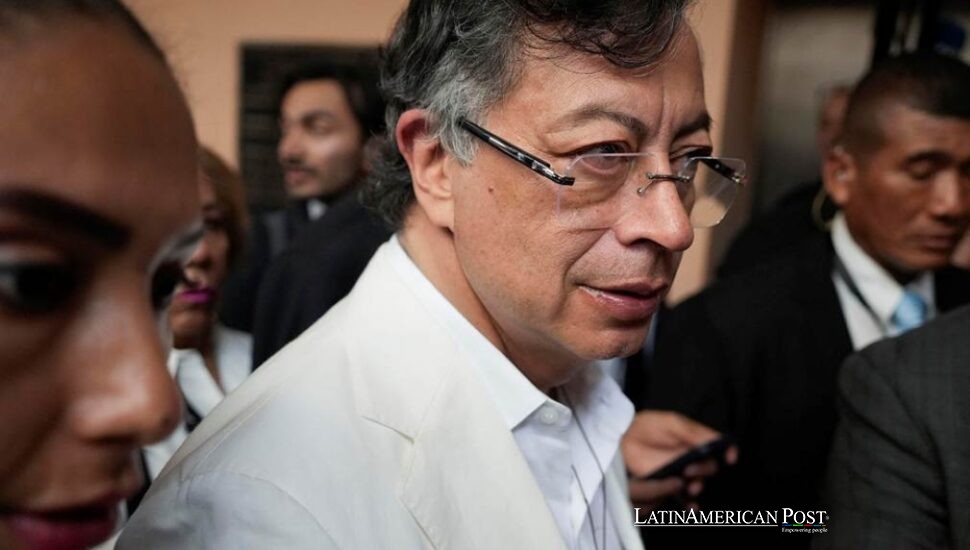
Gustavo Petro’s fraud allegations have drawn Israel, Donald Trump, and Colombia’s electoral machinery into a volatile post-election fight. Still, a near-exact match between preliminary and judicial counts leaves the outgoing president with a grave accusation and scant public proof.
A Paper Trail Meets a Digital Suspicion
At thousands of polling tables, the election ended with an old ritual. Jurors counted ballots, wrote totals onto E-14 forms, signed them, and showed witnesses. Then came scanning, servers, software, and a nation refreshing a tightening result.
That seam between paper and code is where Petro planted his accusation. After De la Espriella led Cepeda 49.66 percent to 48.70 percent, Petro alleged altered forms, shifting server addresses, vote buying, and foreign intervention. He singled out Israel and blamed Trump’s endorsement. No public forensic report accompanied the claims.
The margin made every irregular-looking digit feel consequential. Roughly 251,000 votes separated the candidates after more than 26 million participated. Yet over 426,000 chose the ballot’s rejection option, reminding both camps that many citizens wanted neither. This was a record turnout and a narrow verdict, not a sweeping mandate.
Close, however, is not synonymous with unknowable. Colombia’s National Registry reported Tuesday that the preliminary count and the first judicial scrutiny matched across 99.997 percent of votes. The difference was 0.003 percent, far too small to erase De la Espriella’s lead. European Union observers, about 150 of them, said they had seen no irregularities in the counting process and were continuing to monitor challenges.
Human elections produce transcription errors, smudged numbers, disputed signatures, and tired officials. That is why scrutiny exists. But the near-perfect correspondence between the rapid report and judge-led review creates a steep evidentiary hill for claims of centralized digital theft.
That distinction matters in Colombia, where citizens have learned to distrust both power and promises. The paper forms exist precisely because technology cannot be asked to authenticate itself, especially when political tempers are running hot.
Foreign Influence Is Not a Hacked Tally
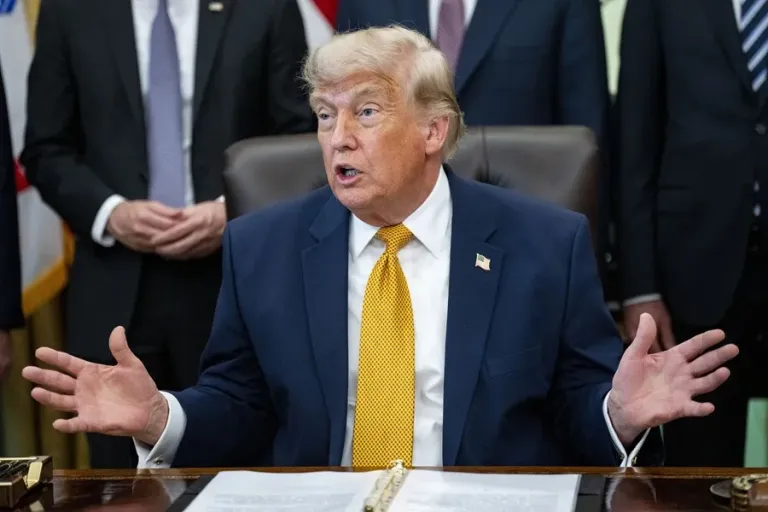
Petro is on firmer ground when he speaks of political influence. Trump openly endorsed De la Espriella, called the contest important to Washington, and claimed credit afterward. For Colombians raised under the long shadow of U.S. power, from Cold War counterinsurgency to Plan Colombia, that pressure is not abstract. A White House blessing can shape donors, markets, coverage, and fearful voters.
Still, an endorsement is not a rewritten E-14. It may be improper, heavy-handed, or corrosive to sovereignty. It does not demonstrate that a server changed a ballot total. Blurring those categories weakens the strongest criticism of Trump’s conduct by tying it to a broader claim that currently lacks public evidence. Trump’s backing was visible. The alleged Israeli operation remains unshown.
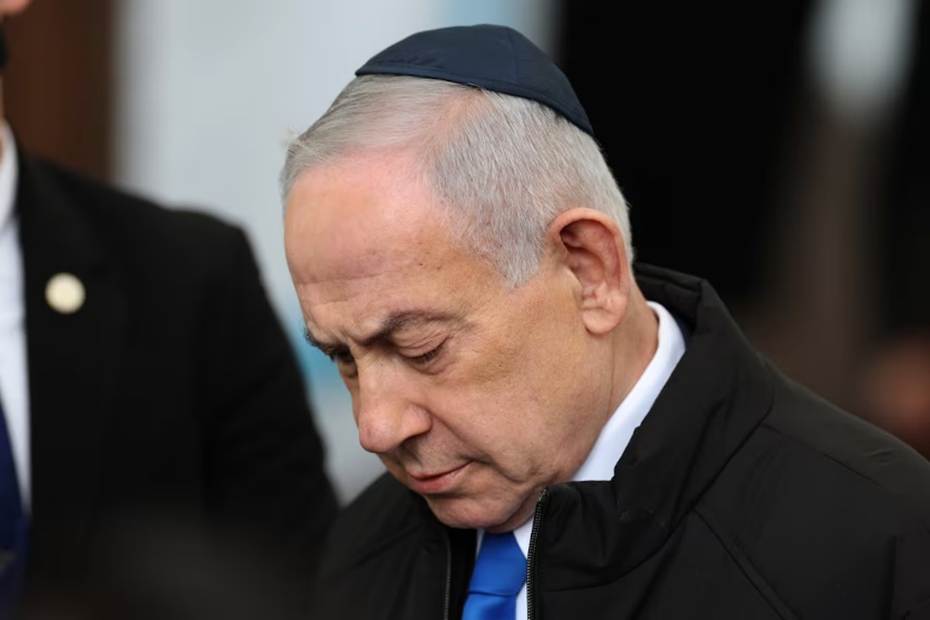
Israel entered through a deeper rupture. Petro severed diplomatic relations in 2024 over Gaza, ending a partnership that included military and security cooperation. De la Espriella promised restored ties and the move of an embassy to Jerusalem. Netanyahu’s prompt congratulations signaled a sharp foreign-policy reversal after August 7.
That alignment helps explain why Petro’s allegation resonates among supporters. It does not validate it. A motive, a friendship, and a technical capability are three different things. To connect them, investigators would need server logs, authenticated timestamps, access records, altered source files, and proof that any digital manipulation survived comparison with physical forms. Petro has publicly offered suspicion and videos, but not that chain.
The controversy around Thomas Greg & Sons, a longtime electoral contractor, deserves scrutiny. Outsourcing democratic infrastructure can breed opacity and justified distrust, especially where public contracts become political fiefdoms. Petro questioned the company before voting day. Yet vulnerability is not proof of a manufactured result. The contractor also helped administer Petro’s 2022 victory.
The Accuser’s Proof Must Match the Charge
Petro’s government can request audits, preserve digital evidence, and demand explanations about hashes, timestamps, contractors, and access controls. Cepeda’s campaign can challenge specific tables and seek recounts through the electoral courts. Those are not attacks on democracy. They are part of democracy, especially in a race decided by less than one percentage point.
The danger begins when a president converts questions into conclusions. Colombia is managing a transfer of power in a country where political differences have too often been settled with guns, disappearances, or selective justice. Words from the palace can summon vigilance. They can also persuade citizens that institutions are worthless before evidence is tested.
Petro leaves with a substantial social legacy and devoted base. His government expanded spending, raised wages, and pushed rural inequality toward the center of debate. He also broke foreign-policy taboos over Gaza. None of that lowers his burden of proof. The first leftist president has a special interest in preserving the electoral route that carried him to power.
De la Espriella’s apparent win deserves neither romanticizing nor premature immunity from examination. His hard-right program, the Trump alliance, and promised security crackdown will face a divided Congress and a country split almost exactly in half. The opposition should inspect the count aggressively. It should also recognize what the latest data says.
A 99.997 percent match is not a slogan. It is the central fact now standing between allegation and conclusion. Israel may be returning to Colombia’s diplomatic map. Trump plainly inserted himself into the campaign. But until evidence links those realities to changed votes, Petro’s digital coup remains a political story in search of a technical case.
Also Read: Peru Election Math Turns Dangerous When Sánchez Subtracts Democracy Abroad