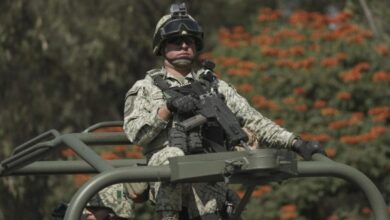
Latin America Swings Right as Fear Becomes the Ballot Box
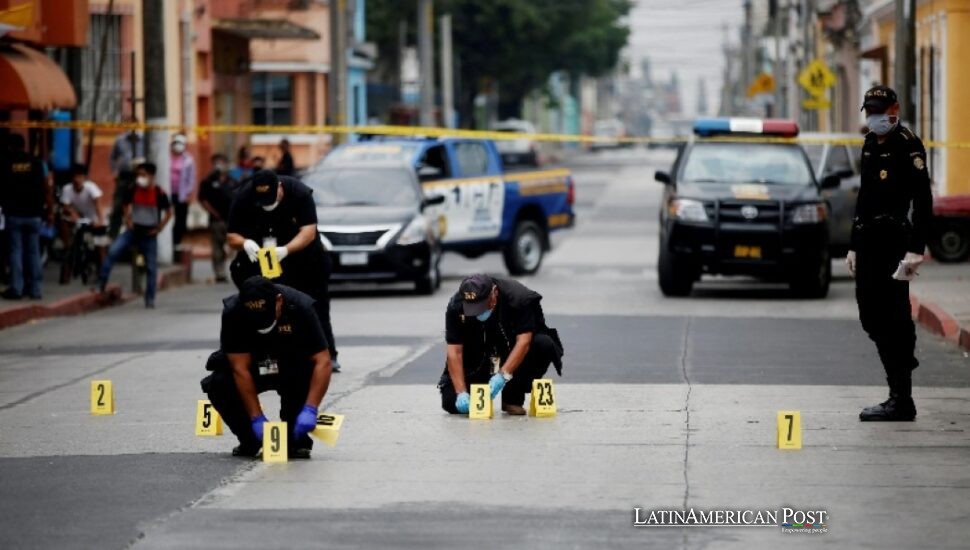
Across Latin America, voters exhausted by extortion, kidnappings, and institutional drift are rewarding candidates who promise prisons, soldiers, and sealed borders. The emerging rightward swing is less an ideological conversion than a frightened demand for order, delivered immediately and visibly.
Fear Has Found a Political Uniform
Fear here is rarely abstract. It is the bus driver checking an unknown number before answering, the shopkeeper pricing an extortion payment against closing, the parent waiting for one word from a child: arrived. Before politicians reach the stage, voters have already held private referendums in their kitchens and on WhatsApp. They want the state to appear.
At the decade’s start, pandemic-era anger over inequality helped progressives win Brazil, Chile, Colombia, and Peru. Now, politics has shifted from redistribution toward protection. Conservative populists offer the most visible symbols of action: soldiers at borders, harsher prisons, deportations, and the iron-fist theater associated with El Salvador’s Nayib Bukele. Donald Trump’s endorsements have helped join crime, migration, and anti-left politics in one regional campaign frame.
The appeal is plain. Community prevention, professional policing, functioning courts, and prison reform may reduce violence, but their successes arrive slowly and photograph badly. A mega-prison opens on television. A military patrol passes tonight. Analyst Adam Isacson told the Associated Press that the right has captured this gap between long-term policy and voters’ demand to feel safer within months.
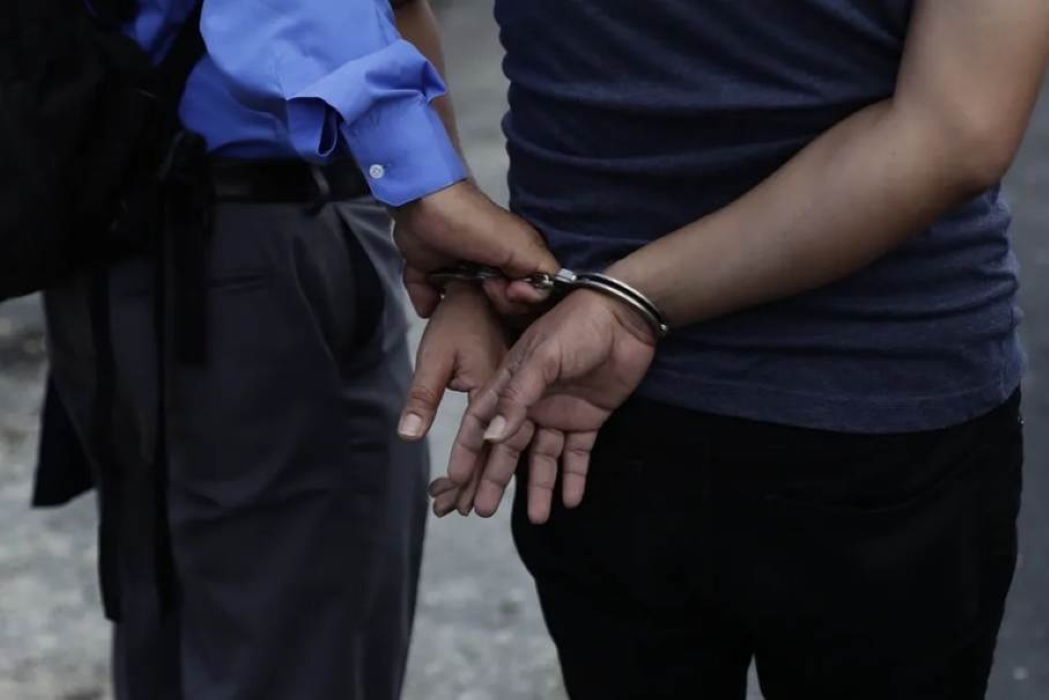
Bukele turned that gap into a brand. El Salvador’s homicide rate fell sharply as authorities detained more than 90,000 people, yet rights monitors have documented arbitrary arrests, weakened safeguards, and diminishing checks on executive power. The exportable product is an authoritarian bargain marketed with polished videos: surrender due process now, receive order immediately.
When Falling Murder Rates Still Feel Like War
The numbers contain a political paradox. Latin America and the Caribbean recorded at least 108,838 homicides in 2025, with a median rate of 17.6 per 100,000 people, more than 5 percent below 2024. Yet improvement masks terrifying concentration. Peru recorded roughly 2,400 killings, Colombia 14,780, and Ecuador 9,216, a 31 percent annual jump. Ecuador also logged more than 16,100 extortion complaints.
That is why national averages mislead. Elections are decided by households, not spreadsheets, and households experience insecurity through repeated contact: the threatening call, the changed route, the business that closes before dark without warning.
Homicide statistics cannot explain the ballot alone. Extortion behaves like an illegal tax collected at gunpoint. It enters buses, schools, and markets, touching thousands who never appear in murder totals. Kidnapping works similarly. In Chile, homicides eased from their 2022 peak, but kidnappings reportedly rose nearly 180 percent over four years. A country can become statistically safer while daily life feels increasingly occupied by criminal power.
Migration then becomes a ready-made suspect. Tren de Aragua and other Venezuelan criminal networks exploited displacement and trafficking routes, but campaigns often stretch that fact into a broader indictment of migrants. Chile’s José Antonio Kast rode on anxieties about unfamiliar crimes and irregular migration to the presidency, promising a border barrier, tougher prisons, and mass removals. Security moved ahead of social rights and dictatorship-era memory in many voters’ calculations.
The choreography repeats elsewhere. Ahead of Colombia’s June 21 runoff, Abelardo de la Espriella has led polls while proposing 10 mega-prisons and an end to peace negotiations with armed groups. In Peru, where extortion rose fivefold in five years, Keiko Fujimori turned “Peru with Order” into a first-round lead and razor-thin runoff, reviving her father’s authoritarian inheritance. Costa Rica elected Laura Fernández amid drug-related killings, while Honduras chose Trump-endorsed Nasry Asfura.
The Strongman Meets the State
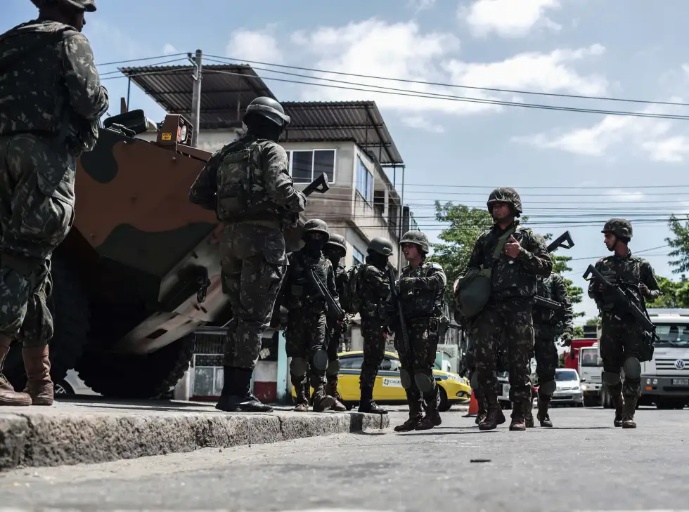
Campaign certainty weakens on contact with the government. El Salvador is small, centralized, and controlled by a party with a legislative supermajority. Ecuador and Chile are larger, fragmented, and fiscally constrained. Daniel Noboa campaigned on prison barges and mega-prisons, then dropped the floating-prison plan and needed years to open his first large facility. The iron fist still required contracts, money, judges, and concrete.
Kast has met the same friction. His promised deportation machine has removed only a fraction of Chile’s estimated population without legal status, while voters have struggled to distinguish his early security results from Gabriel Boric’s. Campaign immediacy has become step-by-step government, an admission that borders, due process, and diplomacy do not obey rally rhythms.
The deeper warning for the left is that patience has become a luxury. Sluggish growth, corruption scandals, and unfulfilled reforms weakened its claim that democracy would deliver dignity and safety. Even center-left leaders have moved toward coercion. Uruguay’s Yamandú Orsi has said Bukele’s model merits study, while Guatemala declared an emergency against gang violence. This is not simply right against left. The regional center is shifting.
Latin America has seen this bargain before. Twentieth-century governments invoked disorder to expand military power and narrow citizenship. Today’s voters are not necessarily nostalgic for dictatorship. Many are making a colder calculation: if democracy cannot keep the bus running, the shop open, and children alive, perhaps its safeguards feel ornamental.
That is the right’s opportunity and democracy’s test. A prison rises faster than trust. Soldiers can occupy a corner faster than prosecutors can rebuild justice. But when spectacle outruns institutions, crackdowns may displace crime, crowd prisons, and leave the state as weak as before. The ballot box is asking for safety. It may receive power with fewer brakes.
Also Read: Chile Courts Capital Again as Investors Eye RED Bill Revival