Trump Claims Latin America’s Right Turn, but Voters Wrote It
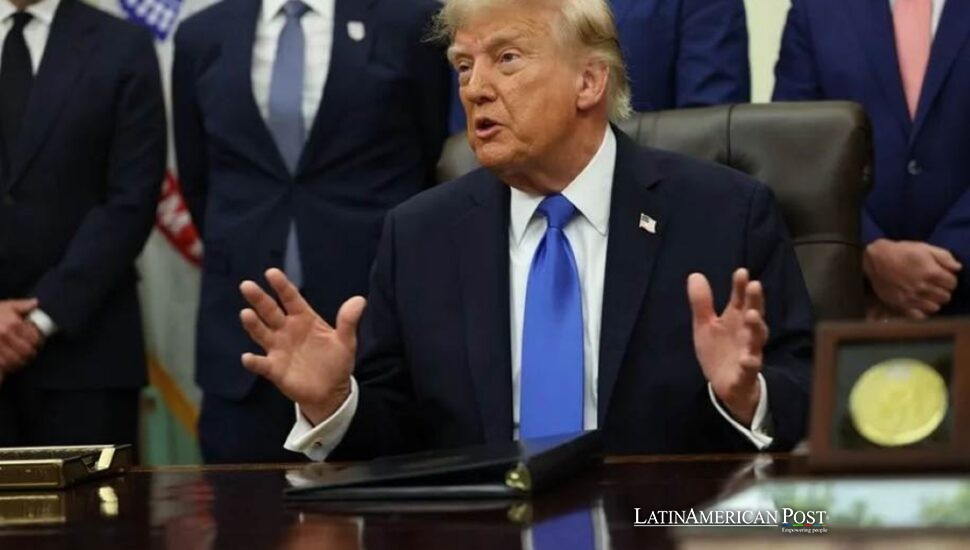
Latin America is shifting right, but Donald Trump’s victory lap mistakes influence for authorship. Colombia’s election, Argentina’s revolt, and the region’s security panic reveal a harsher truth: Washington amplified a movement born from local fear, fatigue, and deep economic disappointment.
The Oval Office Claims the Continent
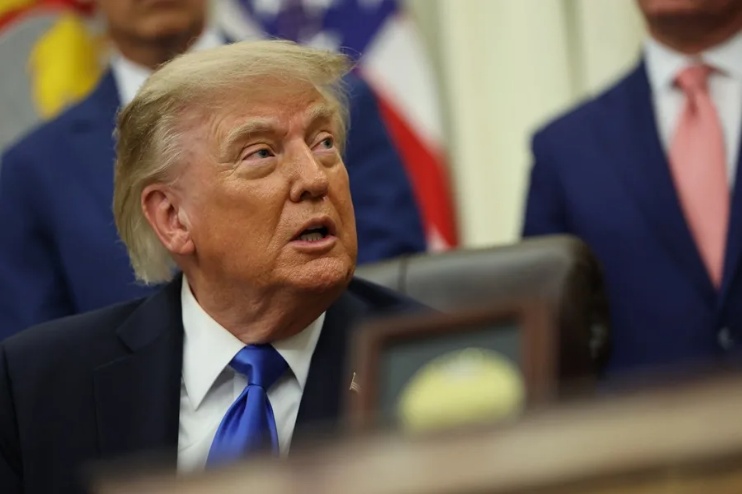
From the Oval Office, Trump described a hemisphere bending toward him. According to EFE, he said Latin American governments had moved “from the left to the right,” declared that “everyone is going to the right,” and said nations now respected Washington. It was classic Trump: a real development enlarged until it fit inside a personal triumph.
The development is real. Colombia elected Abelardo de la Espriella. Argentina remains governed by Javier Milei. Chile, Ecuador, Peru, and Bolivia have moved toward conservative, market-oriented, or hardline security governments, reversing much of the early-2020s pink tide. Trump did not imagine this map, and his combative style has supplied language to politicians who present compromise as weakness.
But a map changing color is not proof that Washington colored it. Latin America is not “everyone.” Claudia Sheinbaum still governs Mexico from the left, while Brazil’s Luiz Inácio Lula da Silva is seeking reelection in a competitive October contest against Flávio Bolsonaro. The map still has not become monochrome.
The deeper explanation begins far from the Oval Office. ECLAC expects just 2.2 percent regional growth in 2026, with employment expanding by roughly 1.1 percent. The United Nations reports a homicide rate of 19.7 per 100,000 people, the world’s highest, and says fewer than half of residents feel safe walking alone at night. The Inter-American Development Bank estimates direct crime costs reached 3.44 percent of regional GDP in 2022.
Those numbers have faces. They are the shopkeeper paying twice, once in taxes and again for private guards. The mother changing the route home because one corner no longer belongs to the neighborhood. The graduate sending résumés into an economy that produces credentials faster than formal jobs. When governments cannot provide safety or believable progress, voters need no American president to tell them something failed.
Colombia’s Margin Belongs to Colombians
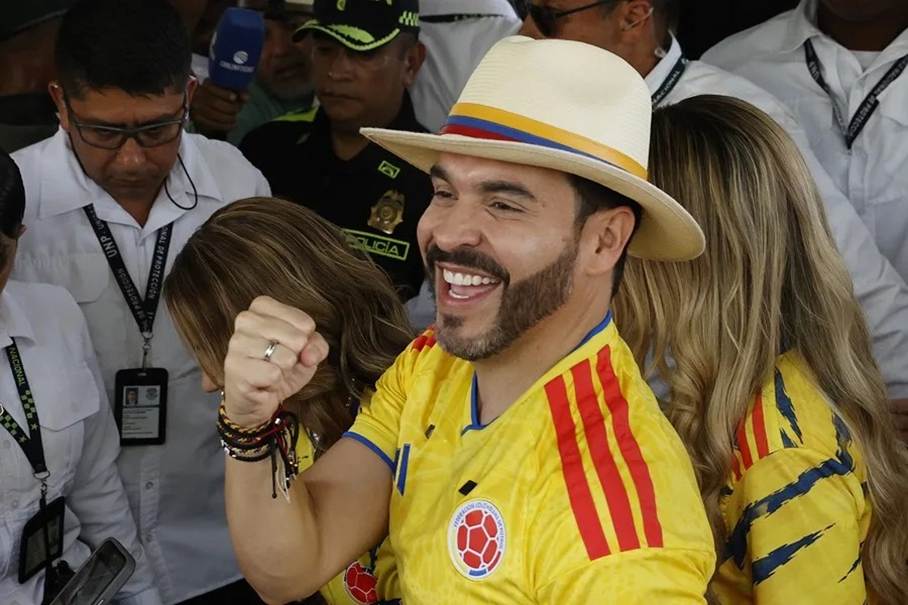
Colombia is the strongest evidence for Trump’s case and the best evidence against his exaggeration. De la Espriella won the June runoff with 49.66 percent against Iván Cepeda’s 48.70 percent. Turnout reached 63.6 percent, and the gap was less than one percentage point. This was not a landslide delivered by foreign applause. It was a verdict split almost evenly.
Trump’s endorsement was direct. After De la Espriella led the first round, Trump offered his “complete and total endorsement” and warned that the result would matter for Colombia’s relationship with the United States. In a race this close, it would be foolish to say the intervention had no effect. It may have reassured conservatives, energized his base, and raised the perceived cost of electing Cepeda. Influence at the margin is still influence.
Yet Trump did not manufacture the conditions that made De la Espriella possible. Colombia entered the election with armed groups contesting territory, illegal mining financing violence, drug trafficking corroding local authority, and citizens doubting Petro’s peace strategy. De la Espriella promised crackdowns, lower taxes, looser business rules and revived oil and gas development. Those promises answered Colombian anxieties, not Washington’s.
The result also warns against declaring the Colombian left dead. Nearly half the valid vote went to Cepeda, and De la Espriella faces a divided Congress where the Historic Pact holds more seats than any other party. A president can win the palace without permission to remake the country alone. Trump’s boast turns a fragile mandate into a conquest and erases millions who voted the other way.
Argentina makes the same point bluntly. Milei and Trump share temperament, enemies and political theater. But Milei won in 2023 because Argentina was living through 143 percent inflation, depleted reserves, recession fears and poverty affecting roughly four in ten people. He took about 56 percent of the runoff vote. The chainsaw was Argentine before it entered Trump’s hemispheric display cabinet.
Influence Is Real, Ownership Is Fiction
Trump matters because the United States matters. An endorsement can dominate a news cycle. Tariffs can punish an export sector. Security cooperation can alter a government’s choices. Diplomatic warmth can reward leaders who accept Washington’s priorities on migration, narcotics and trade. The administration has made those instruments louder and more transactional. That is acceleration, not authorship.
The distinction is crucial. Calling compliance “respect” repeats one of Washington’s oldest errors in Latin America: confusing leverage with loyalty. Governments may cooperate because resistance is costly, not because their societies embrace a northern political identity. Even leaders close to Trump must answer to prices, legislatures, courts, social movements and export markets. A Washington handshake cannot fill a refrigerator in Bogotá, stop an extortion call in Guayaquil or make a pension stretch in Buenos Aires.
There is another danger in Trump’s story. Hardline leaders often win because institutions appear too weak to protect ordinary life. They then ask for fewer restraints to act. The United Nations Development Program warns that regional democracies are gradually weakening through personalist power, attacks on electoral authorities, and diminished checks and balances. A frightened electorate can demand force without intending to surrender democracy, but the distance can become alarmingly short.
So yes, Latin America has turned right. Trump has encouraged the turn, celebrated it, and sometimes tipped the scale. He did not create the stalled economies, territorial fear, exhausted parties, or anger carrying these governments into office. Those forces rose from Latin American streets and homes. The region’s pendulum carries a warning: voters who move right can move left again when promises fail.
Trump can claim the applause. He cannot claim the authorship.
Also Read: Argentina Finds Malvinas Leverage in Trump’s New Atlantic Power Game