Bolivia Land Law Retreat Tests Paz’s Amazon-to-Andes Fragile Power Balance
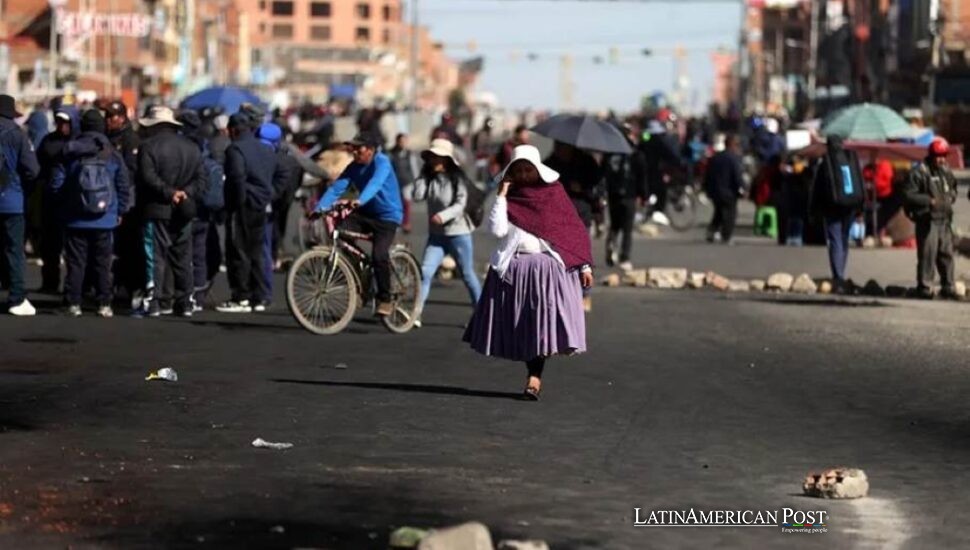
After a 24-day Amazonian march and highway blockades, Bolivia’s president scrapped Law 1720, exposing a deeper battle over land, credit, Indigenous protection, agroindustrial power, and who gets to define development in one of Latin America’s most divided republics.
A March That Made the Law Vanish
By the time President Rodrigo Paz signed away Bolivia’s Law 1720, the fight over land had already climbed from the Amazon to the cold political altitude of La Paz. It had moved through roads, vigils, hunger, suspicion, and the old Bolivian truth that territory is never just property. It is ancestry, credit, debt, food, memory, and power.
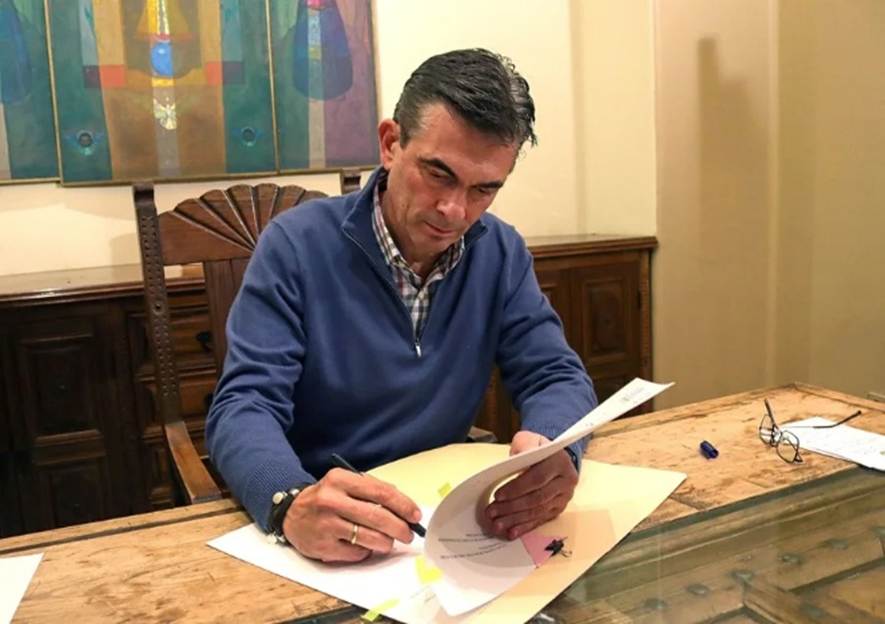
Paz announced the abrogation in a video released by the Bolivian Presidency, saying that, as a result of dialogue among Bolivians, the law had been eliminated. “It no longer exists, it is over,” he said, according to EFE. The phrase was meant to calm a country caught between Indigenous marchers, campesino organizations, blocked highways, and angry agricultural sectors. But the repeal did not end the dispute. It exposed the real one.
Law 1720, promulgated on April 10, allowed the voluntary conversion of titled small agricultural property into medium property upon written request and a sworn declaration, so the land could be used as collateral for bank loans. On paper, the promise sounded modern and financial: turn land into credit, credit into production, production into growth. In practice, many campesino and Indigenous sectors heard something older and more dangerous. They feared that small producers, pushed by debt or pressured by market forces, could lose land to large landholders or agribusiness interests.
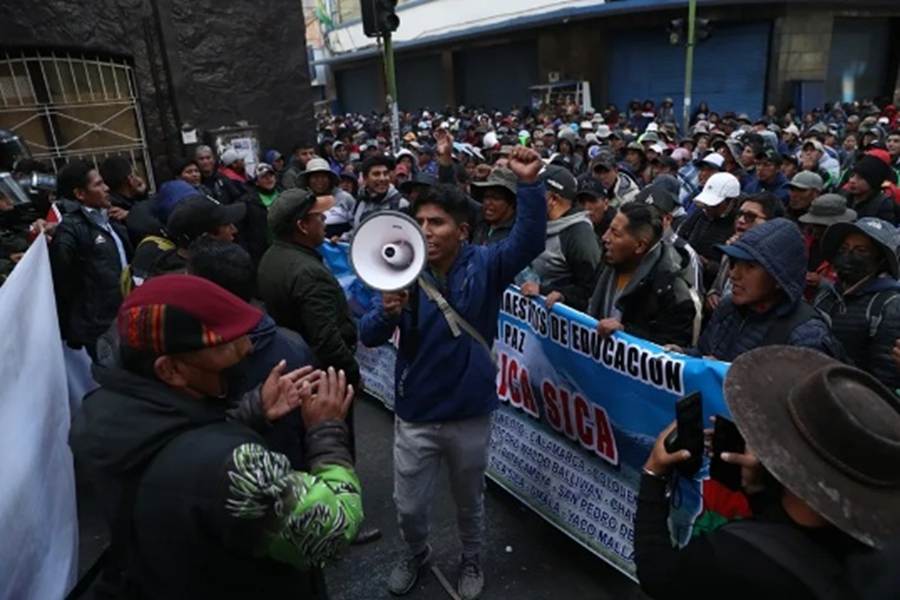
That fear sent hundreds of Amazonian campesinos and Indigenous people marching for 24 days from Pando, the northern region bordering Brazil and Peru, to La Paz. They did not march only against a paragraph in a legal code. They marched against a memory. In Bolivia, land reform is not a technical field. It is one of the country’s founding arguments, from the 1952 revolution to the rise of Indigenous politics in the 21st century.
Credit, Collateral, and Old Wounds
The most revealing detail in the crisis is that both sides can claim to be defending small producers. Supporters of the law argue that rural landholders need access to credit, especially in a country where production costs, climate stress, and limited financing weigh heavily on the countryside. Critics argue that credit without safeguards can become a trap, especially when the asset placed at risk is the family plot itself.
That is the brutal elegance of the conflict. The same land can look like an engine of development from a bank office and like a shield against dispossession from a rural community. In Santa Cruz, Bolivia’s most populous region and its economic motor, agroindustrial sectors and small farmers criticized the repeal. Yet they accepted it on the condition that a new law would be drafted with all sectors involved.
The repeal law sets a 60-day period for “concert and propose” a new framework defining conditions, procedures, and safeguards so that small agricultural property can access benefits after conversion, while expressly preserving protections for Indigenous-origin territories, campesino communities, communal lands, and natural reserves.
That language matters. It is an admission that the first version did not carry enough trust. In a country as geographically and politically fractured as Bolivia, trust is not decorative. It is the difference between reform and rebellion.
The crisis also shows the limits of Paz’s first six months in power. He took office promising dialogue and national rebuilding. Still, the land conflict quickly tested whether his government could mediate between the highlands, the Amazon, and the eastern lowlands without appearing captured by any one region. The fact that the La Paz campesino federation joined the Amazonian demand, blocked roads in the altiplano for a week, and is now calling for Paz’s resignation signals that the repeal may have solved one legal problem while leaving a political wound open.
In Bolivia, roads are political instruments. A blockade is not only a disruption of transport. It is a rural parliament made of stones, tires, bodies, and patience. It tells the capital that the periphery can still interrupt the nation’s metabolism.
A Regional Warning Beneath the Soil
For Latin America, Bolivia’s land law crisis carries a warning beyond a single statute. The region is entering a new phase of rural conflict, where the old language of land reform collides with the new language of finance, food security, mining expansion, climate pressure, and export agriculture.
Across the continent, governments want rural productivity without rural revolt. They want credit to reach farmers, but they often underestimate how land markets behave when inequality is already embedded in the soil. They want investment, but Indigenous and campesino communities remember that “development” has often arrived with lawyers, surveys, police, and silence.
Bolivia is especially sensitive because its national identity is built on unresolved territorial contradictions. The Amazon, the altiplano, and Santa Cruz do not experience the state in the same way. Santa Cruz often sees itself as the productive engine tasked with carrying the country. Indigenous and campesino communities often see themselves as the historic majority asked to surrender protection in the name of someone else’s growth. Paz is trying to govern inside that triangle.
The geopolitical stakes are not abstract. Bolivia sits between Brazil, Peru, Chile, Argentina, and Paraguay, with strategic importance in food corridors, Amazonian conservation, gas, lithium, and regional trade routes. If land policy becomes unstable, investor confidence follows suit. If rural communities feel threatened, so does governability. If agribusiness feels ignored, so does production. The country’s challenge is not choosing one side forever. It is building rules strict enough that no side believes survival requires shutting down the road.
This is a president trying to convert retreat into consensus. Paz said Bolivia now needs a new land law built by listening to all sectors, one that is strong, fair, balanced, and for the whole homeland. It is the right vocabulary. The question is whether Bolivia still has enough institutional trust to make those words hold.
For now, Law 1720 is gone. But the argument beneath it remains alive, walking somewhere between Pando and La Paz, between the bank and the community assembly, between the promise of credit and the fear of dispossession. In Bolivia, the land remembers who writes the law.
Also Read: Venezuela’s Blackout Economy Tests Promises of a Brighter Future