Mexico’s World Cup School U-Turn Exposes Learning Crisis Below
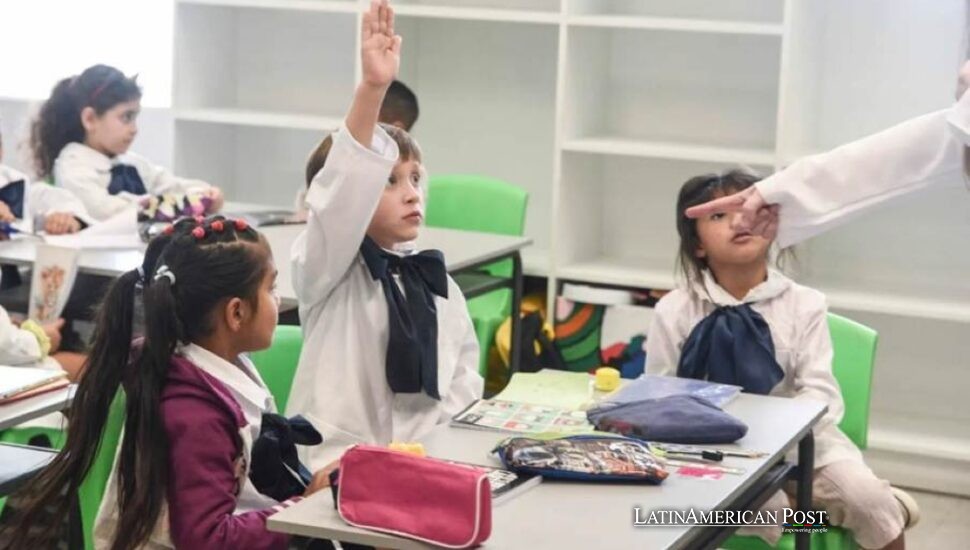
Mexico canceled plans to shorten the school year before the 2026 World Cup. Still, the backlash revealed a deeper fear among parents: lost classroom time, pandemic-era learning gaps, heat stress, and families already carrying too much educational weight.
A Calendar Scare With Real Consequences
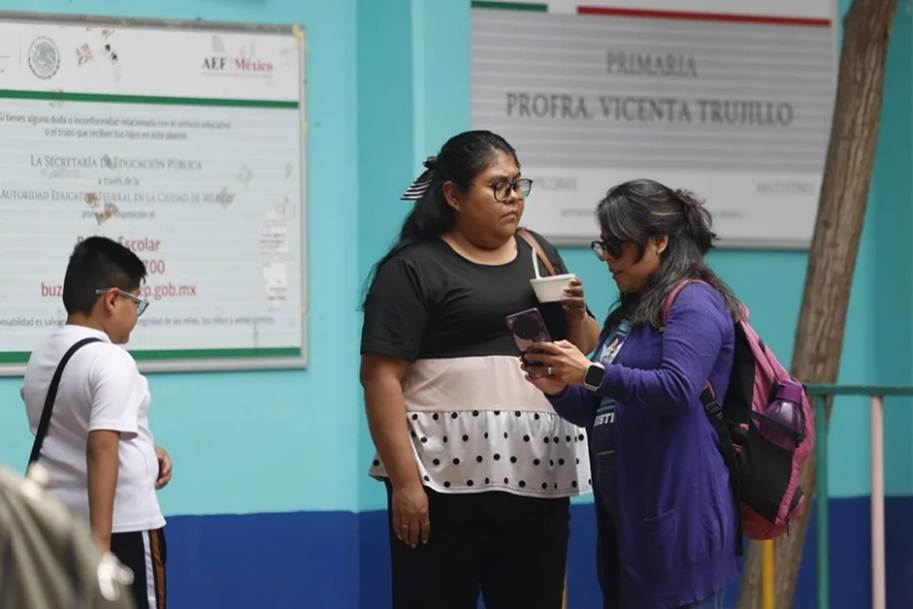
Outside a school in Mexico City, the World Cup suddenly felt less like a celebration and more like another burden being passed to parents.
The Mexican government has now confirmed that the national school calendar will not change. Classes will end July 15, as originally planned, not June 5, the date Education Secretary Mario Delgado unexpectedly announced before criticism forced officials to reconsider. But the damage of the idea had already begun to travel through classrooms.
Yolanda Carrillo, mother of two middle school students, told EFE that her children’s school notified families that grades would be delivered this Thursday, nearly two months earlier than usual. Her question was simple, and devastating in its simplicity: “What are you going to base yourself on to grade an entire trimester when it has barely started?”
That is the heart of the controversy. This was never only about a school calendar. It was about whether Mexico, a country still carrying the educational scars of the pandemic, can afford to treat learning time as a flexible decoration around a global sporting event.
The original proposal would have ended the school year roughly 40 calendar days early. Mexico Evalúa warned that the decision would further reduce effective learning time for 23.4 million students. That number matters. It is not a small administrative adjustment. It is a national experiment that would have reached nearly every household in the country’s public basic education system.
The data becomes sharper when placed against family life. A June 5 ending, with classes resuming August 31, would have created a vacation period of almost 12 weeks. The original July 15 ending leaves roughly 6 to 7 weeks, close to the traditional break that President Claudia Sheinbaum said the government wanted to preserve. In practical terms, the canceled plan would have nearly doubled the summer gap for millions of children.
For wealthier families, a longer break can be managed with camps, tutoring, travel, private lessons, or a parent working from home. For working-class families, it can mean children alone, grandparents stretched thin, informal childcare, lost routines, more screen time, more costs, and less learning.
The World Cup Meets the Homework Table
The government’s argument had two parts: heat and the 2026 World Cup. Both are real. Mexico is facing increasingly harsh temperatures, and schools in hot regions can become unsafe, especially where buildings lack proper ventilation, shade, water, or cooling systems. The World Cup will also put pressure on cities, transport systems, stadium zones, and public services.
But parents saw the national shortening proposal as too broad, too sudden, and too poorly explained.
Omar Ramírez, father of a primary school student, told EFE that changing the calendar did not seem justified because there are only a few matches and many are at night. He also noted that heat has always existed, questioning the way the measure was announced and then reconsidered.
His comment exposes a policy problem. Heat adaptation requires precision. A school in a scorching northern or coastal state may need a different schedule, different hours, remote options, or infrastructure upgrades. A school in Mexico City does not automatically need the same response. A national cut to the calendar uses a machete where the system needs a scalpel.
The World Cup argument is even more delicate. Mexico will help host one of the planet’s biggest sports events, with the opening match scheduled for June 11 in Mexico City, where Mexico will play South Africa. The state wants the tournament to project order, pride, security, and modernity. Sheinbaum has promised the necessary security measures and the completion of public works tied to the event, including improvements at the Azteca Stadium and Mexico City International Airport.
That is understandable. But for parents, the message felt inverted. The country appeared ready to reorganize schools around soccer before explaining how it would recover lost learning. In a nation where education is supposed to be the tool that softens inequality, that symbolism landed badly.
The final decision, keeping the calendar intact nationally while allowing possible regional adjustments for extraordinary heat or logistical needs, is more reasonable. It accepts that Mexico is too large, unequal, and climatically varied to yield a single answer. But the episode still revealed a troubling weakness: schools began reacting before policy was stable.
When schools advance evaluations and cancel projects because officials float a major change, students lose continuity even if the government later reverses course. The uncertainty itself becomes educational damage.
Parents Are Already the Backup System
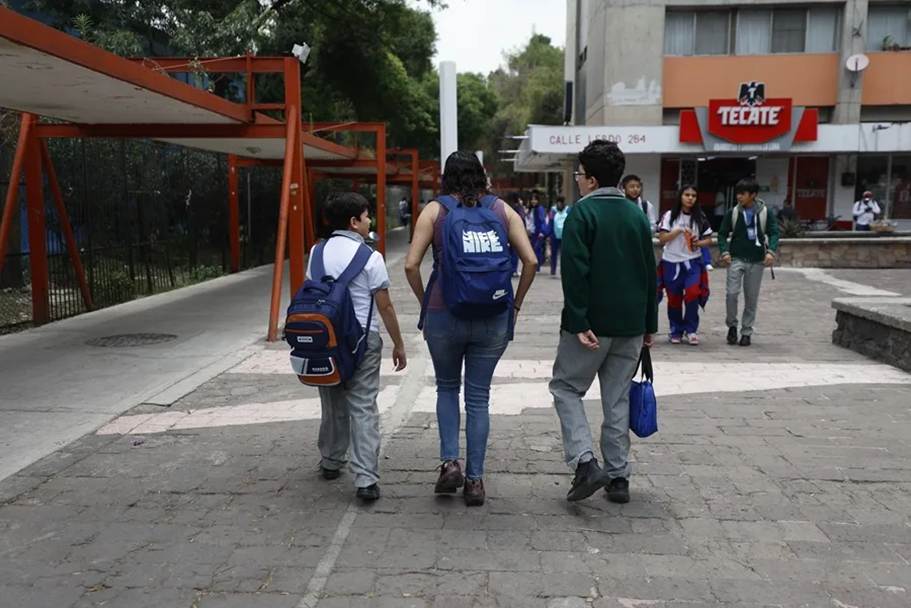
Diana Mendoza, mother of a primary school student, told EFE that the system “is no longer like before,” and that longer vacations would force families to reinforce learning even more at home. “Now parents have to do that work because school is no longer like that,” she said.
That sentence may sound like nostalgia, but it points to something measurable. Since the pandemic, many Latin American families have felt that school returned physically before learning recovered fully. Children came back to classrooms, but not always with the same reading fluency, math confidence, attention habits, or emotional stability. Teachers returned too, often with fewer tools than the moment demanded.
So when parents hear “40 days early,” they do not hear logistics. They hear more unfinished units. More shallow grading. More projects canceled. More afternoons trying to teach after work. More children are promoted without mastery—more inequality disguised as flexibility.
This is where the controversy becomes larger than the World Cup. Mexico’s education system is being asked to absorb pressure from climate change, global event logistics, pandemic recovery, family anxiety, and regional inequality all at once. The government’s reversal avoided the worst version of the decision, but not the underlying problem.
If heat is the issue, schools need heat-resilient infrastructure, hydration protocols, shaded recreation areas, adjusted hours in affected regions, and real-time local decision making. If World Cup logistics are the issue, adjustments should be limited to schools directly affected by stadium operations, transport restrictions, or security perimeters. If learning gaps are the issue, the calendar should be protected, not casually shortened.
The danger is not that Mexican children might watch soccer. The danger is that adults in power might confuse national spectacle with national priority.
A World Cup can bring joy, tourism, money, and global attention. But the country’s children are not an accessory to the tournament. They are the public most likely to pay for rushed decisions with invisible losses: a missed concept, a weak grade, a project abandoned, a habit broken.
Mexico’s government listened this time, at least enough to retreat. But parents heard the alarm. They now know how quickly a school year can be treated as negotiable. And in a country still rebuilding the meaning of classroom time after the pandemic, that may be the lesson that lasts longest.
Also Read: Cuba’s Ballet Dances Through Blackouts While a Nation’s Pulse Flickers