Mothers Hunt Ghosts at Mexico-Guatemala Border While States Look Away
In Tapachula, mothers from Ecuador, Honduras, Colombia, and Cuba are turning migration’s invisible graveyard into a public accusation, exposing how disappearances on Mexico’s southern frontier now shape family grief, border policy, and Latin America’s uneasy geopolitical bargain with the north.
A Search That Begins With Photographs
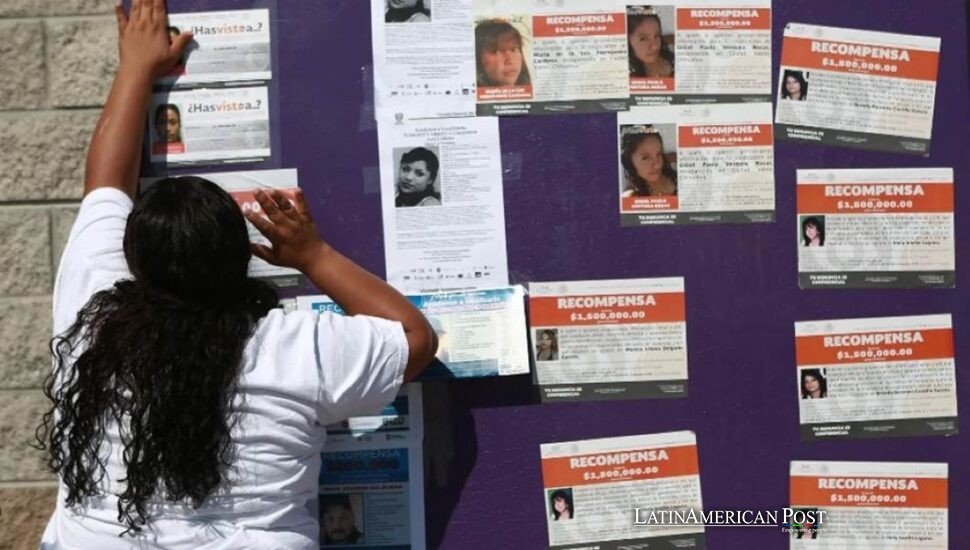
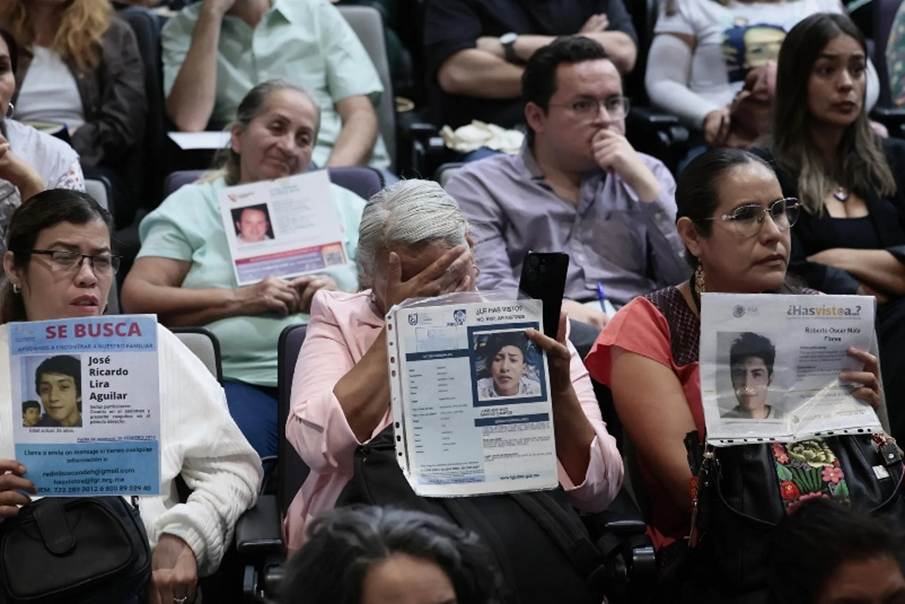
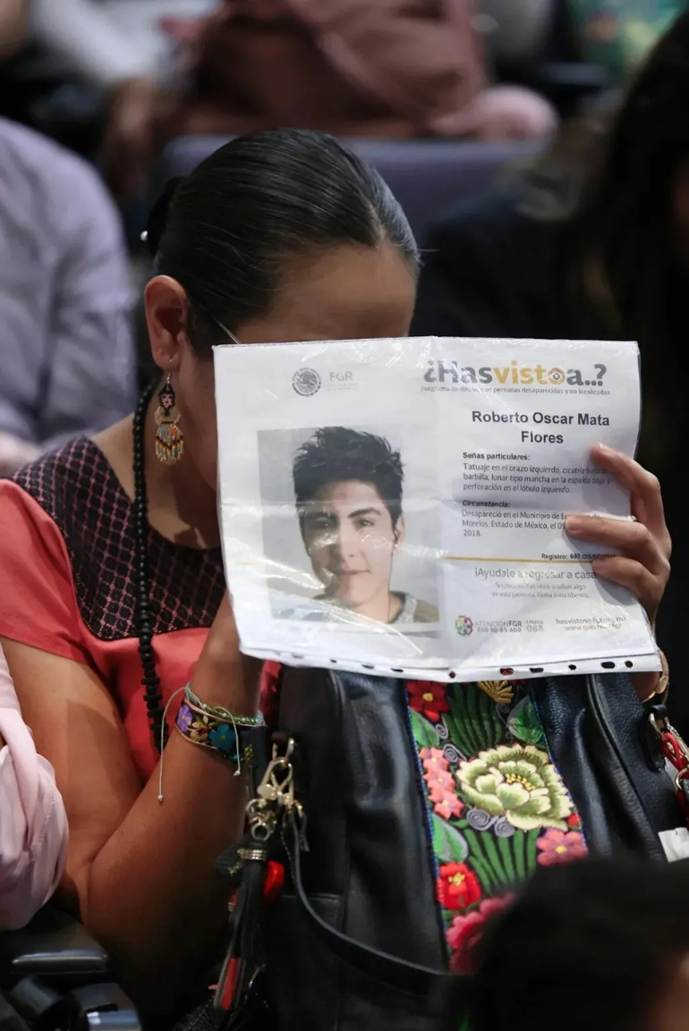
The mothers arrived in Tapachula carrying the kind of evidence no government database can hold properly. Photographs. Names. Last messages. The memory of a voice on WhatsApp before the line went dead. They came to Mexico’s southern border not as tourists of grief, but as investigators forced into a role the state should have long ago filled.
They are part of the fifth international brigade of the Regional Network of Migrant Families, with mothers and grandmothers from Ecuador, Honduras, Colombia, and Cuba searching for relatives missing since 2024. Their route through southern Mexico has taken them through rehabilitation centers, shelters, streets, and private doorways, where they ask strangers whether a son, daughter, grandson, or mother may have passed by.
Ana Enamorado, a member of the network, told EFE that the group had been in Tonalá before arriving in Tapachula. The people they are seeking, she said, disappeared in San José El Hueyate de Mazatán in December 2024 while crossing by boat on the long route toward the United States.
That detail matters. A boat. A border. A date. Latin America’s migration crisis often gets flattened into numbers, caravans, and diplomatic statements. But disappearances usually happen in fragments. A family member leaves home because home has become economically impossible, politically suffocating, or physically dangerous. Then a crossing point becomes a rumor. Then a phone goes silent. Then a mother must knock on doors in another country.
Tapachula is not just another city in this story. It is the largest Mexican city on the Guatemala border and one of the main pressure valves in the hemisphere’s migration system. For years, migrants have reached Chiapas after crossing Central America, only to find themselves trapped between paperwork, police controls, criminal markets, and the geography of exhaustion. It is a waiting room with teeth.
The Border That Outsources Grief
The official registry lists more than 1,800 missing foreigners in Mexico. Civil organizations such as the Observatory on Disappearance and Impunity in Mexico (ODIM) argue that the true number is far higher due to underreporting, possibly exceeding 10,000. That gap is not a statistical footnote. It is the space where Latin American families are abandoned.
If the official number is already alarming, the unofficial estimate suggests something more structural. Foreign migrants disappear in Mexico not only because criminal groups prey on them, but because the region has built a migration corridor where responsibility is constantly pushed elsewhere. Sending countries lose citizens but lack power on the ground. Mexico manages pressure from Washington while carrying the human cost on its territory. The United States remains the destination shaping the route, but not always the place where the damage becomes visible.
This is the story’s geopolitical core. The Mexico-Guatemala Border has become more than a dividing line between two countries. It is a hinge in a continental system where poverty, sanctions, authoritarian drift, organized crime, climate shocks, weak institutions, and U.S. deterrence policies meet in one crowded landscape.
For Ecuadorians fleeing insecurity, Hondurans fleeing old inequalities sharpened by gang control and joblessness, Colombians escaping violence or economic precarity, and Cubans moving through a region that alternates between sympathy and suspicion, southern Mexico becomes a test of survival. The journey north is not one migration. It is many national crises braided into one road.
That is why the mothers’ presence is so politically uncomfortable. They do not speak like diplomats. They do not hide behind the language of regional cooperation. They enter shelters and show photographs. They ask whether the missing are alive, detained, exploited, buried, or forgotten. Their work exposes a truth governments often avoid: migration policy is not only measured by arrivals and deportations, but by the people who vanish between them.
At the Belén shelter, run by the Catholic Church, the brigade met migrants of different nationalities and showed them images of the disappeared. César Augusto Cañaveral Pérez, the shelter’s director, told EFE that the search is essential and described it as a titanic task that belongs not only to the three levels of government, but to everyone.
His words carry the moral fatigue of the border. Shelters have become unofficial consulates, emergency rooms, confessionals, and archives. In places like Tapachula, civil society often becomes the last functioning institution before the migrant disappears into the next risk.
A Regional Warning Written in Absence
The case of Cuban migrant Juliana Bravo Díaz brings the crisis down to its most intimate scale. She has not heard from her daughter and grandson, Meiling and Samei, since December 21, 2024. In the state’s bureaucratic language, they are missing persons. In a mother’s language, they are a wound that keeps speaking.
Mexico’s broader disappearance crisis gives that wound a national frame. In April, during a visit to Mexico, United Nations High Commissioner for Human Rights Volker Türk warned about the tragedy represented by the country’s missing persons crisis. More than 133,000 people are officially missing in Mexico. Migrants enter that catastrophe already vulnerable, often undocumented, often afraid to report abuse, often invisible to local institutions unless someone insists on making them visible.
For Latin America, the political meaning is severe. The region has spent decades exporting its pain northward in the form of workers, asylum seekers, refugees, and remittances. But the current crisis shows a darker exchange. Families send people toward hope, and sometimes receive silence in return. Governments speak of sovereignty, yet migration control is increasingly shaped by external pressures. Borders harden. Routes become more dangerous. Criminal economies adapt faster than public institutions.
The mothers in Tapachula are doing more than looking for relatives. They are challenging the architecture of disappearance itself. Their search says that a missing migrant is not a failed traveler, not a private tragedy, not an unfortunate cost of movement. A missing migrant is evidence. Evidence of a route made dangerous, of states overwhelmed or indifferent, of a continent where the poor are asked to carry passports, debts, fears, and proof of their own humanity.
In Latin American history, mothers have often become public truth-tellers when institutions collapse. From plazas to courthouses to border towns, they carry the dead and disappeared back into the political center. Tapachula now belongs to that map. It is where grief crosses the Mexico-Guatemala Border and refuses to disappear quietly.
Also Read: Mexico’s Disappeared Reveal a State Where Absence Became Deadly Infrastructure