Mexico’s Cartels Recruit Teenagers With Jobs That Never Really Existed
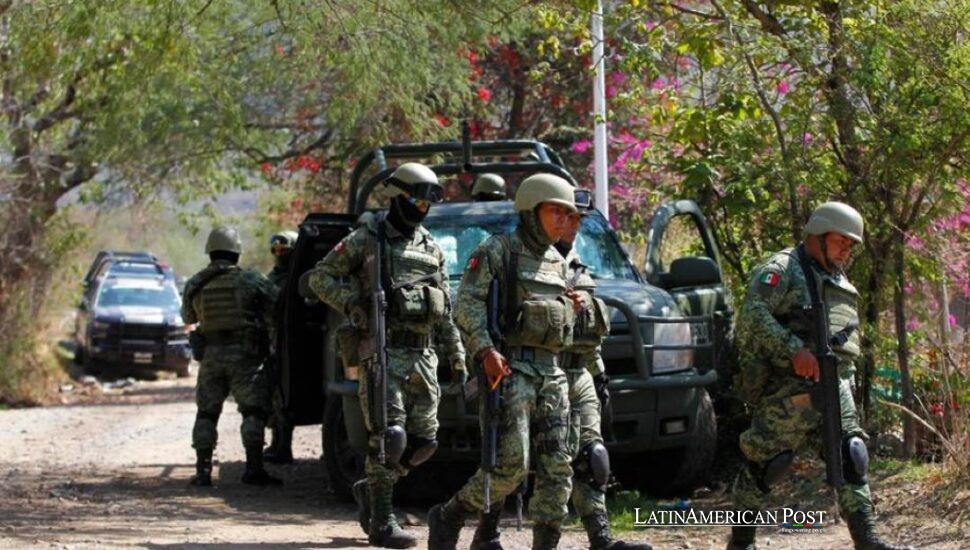
In Jalisco, Mexico, cartel recruitment is slipping into teenage life through fake jobs, trusted friends and shopping malls, exposing how poverty, fear and neighborhood familiarity can turn a minor’s search for independence into a disappearance before adulthood has even begun.
The Recruiter Next Door
The offer does not always come from a masked stranger or anonymous account. Sometimes it arrives through a friend, cousin, or neighbor, somebody whose face belongs to home. The pitch sounds less like recruitment than opportunity: good money, quick work, freedom to return if it feels wrong.
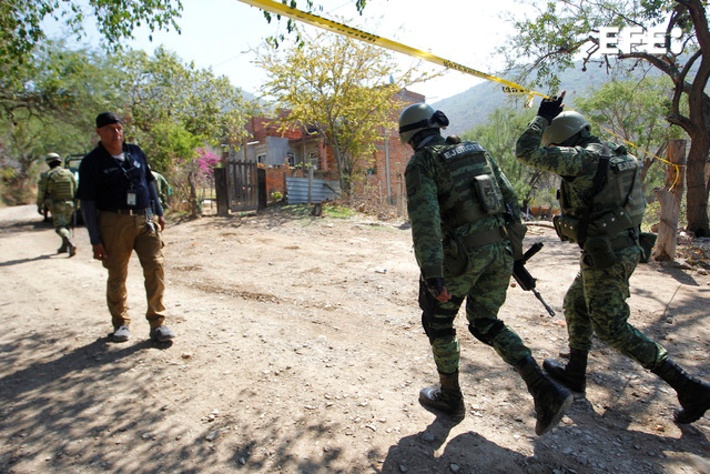
Jalisco’s warnings are chilling. Civil society groups say organized crime is pursuing ever-younger teenagers in familiar settings. Three adolescents between 14 and 16 disappeared in Guadalajara, while three others vanished in Puerto Vallarta in late June. Their cases show how criminal networks turn trust into infrastructure.
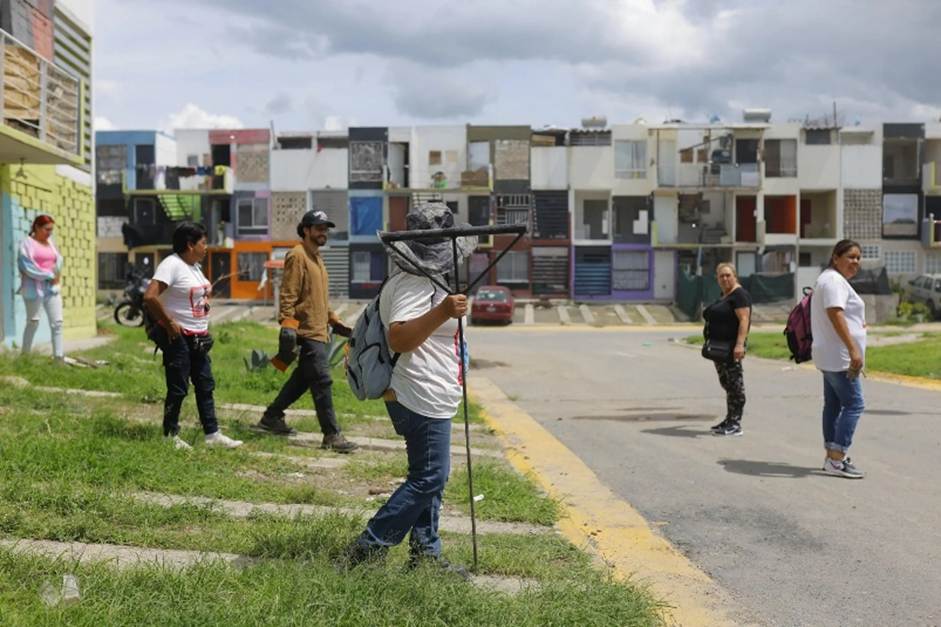
“People have been coming to us asking for help because their children are missing; they’re being taken away, they’re being recruited,” Virginia Ponce of Manos Buscadoras told EFE. She said many are only 13 to 16, which should evoke empathy and concern in the audience about families facing this pain.
Ponce has searched for Víctor Hugo Meza since 2020. Her words carry the exhaustion of knowing that disappearance is not a single moment. It is a second life imposed on a family, built from calls, photographs, rumors, and the work of keeping a name visible.
A Job Offer With No Way Home
Between June 11 and July 11, 165 new missing-person reports were filed in Jalisco, according to Víctor González Romero’s analysis of state search statistics. Forty-three involved minors. That is roughly one in four, a proportion that does not prove that every child was recruited but does define the danger’s age.
The Guadalajara teenagers were found days later after accepting a supposed job invitation passed through their close circle, illustrating how recruiters exploit trust within communities, emphasizing the need for increased awareness among families and local leaders about these tactics.
Jalisco Security Secretary Juan Pablo Hernández has acknowledged cases involving missing teenagers and false employment schemes. Young people, he said, are approached not only on social media or at bus terminals, but in shopping malls, restaurants, and department stores.
One mother’s account circulated online described a young woman who befriended her son and his teenage friends at a mall, then persuaded them into a car. The driver fled after being discovered, though authorities said no formal report was filed. That deserves caution, not dismissal. Official data captures what reaches the state, not encounters silenced by fear or distrust.
Childhood as Disposable Labor
False jobs work because they imitate a real hunger. Teenagers see households stretched thin, parents unable to provide what consumer culture presents as normal, and legal work that pays little while demanding experience they lack. Criminal groups exploit that gap with a brutal imitation of mobility.
“They’re being offered a job that pays a lot of money,” Ponce told EFE. Parents cannot provide everything, she added, which left her wondering how recruiters “sweet-talk them into making such a drastic decision.”
The answer is not simply greed. It may be status, belonging, escape, or usefulness. Where organized crime is feared but visible, the cartel can look less like an outside invasion and more like a parallel employer. It offers wages and identity while hiding the price: surveillance, coercion, violence, and a shrinking chance of return.
The Network for Children’s Rights in Mexico estimates that about 350,000 young people have been recruited by organized crime and another 400,000 remain vulnerable. Hidden populations are difficult to count, but the scale points to a failure larger than policing, aiming to inspire a sense of collective responsibility.
Children are useful to criminal groups because they attract less suspicion and are treated differently from adults in the justice system. Youth becomes disposable labor. The same society that calls them children when discussing protection may later encounter them only as suspects, bodies, or statistics.
Rebuilding Lives Beyond the Cartel
Jonathan Ávila of the Center for Justice, Peace and Development told EFE that changes in recruitment methods reveals organized crime’s penetration into Jalisco’s social life. He cited growing acceptance, fear, and coexistence with criminal groups inside neighborhoods.
That coexistence is not simple consent. It is often survival shaped by silence. People learn which cars not to watch, which names not to repeat, and which job offers may carry consequences. Violence becomes cultural weather, always present, rarely announced.
Prevention cannot end with warnings to teenagers. Families need credible reporting channels, schools need trained staff, and young people need legal work that competes with the lure of fast cash. Reinserta offers hope through education, job training, placement, and mental health support for adolescents exposed to organized crime, aiming to motivate community action.
Reinserta says 67 of the 89 minors it interviewed in juvenile detention had participated in cartel activity before arrest. Across 14 centers, it reports that eight in 10 participants continued studying or found work, while more than 90 percent did not reoffend. The figures merit scrutiny, but underline a crucial truth: recruitment is not destiny.
Mexico’s challenge is to make a legitimate future feel as immediate as the criminal offer. That means treating a missing teenager not as a reckless runaway and a recruited child not merely as an offender, but as someone targeted by coercion. The false job begins with a promise. The public response must offer something real.
Also Read: Argentina Turns Naval Wake into Malvinas World Cup Thunder Again