Venezuela Races for Prefab Homes as Quake Camps Keep Filling
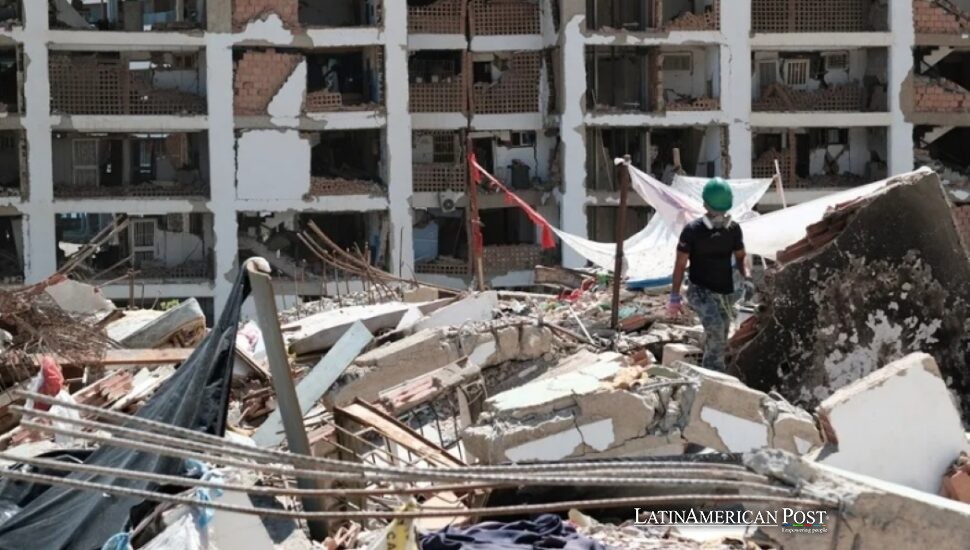
After Venezuela’s deadliest earthquake in a century, nearly 18,000 people remain without homes, pushing Caracas and the United Nations toward prefabricated housing as temporary camps swell. Survivors face the hardest question after a disaster: where to live safely next.
A Coast Living in Tents
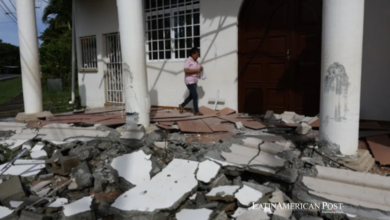
In Playa Grande, the Caribbean still looks close enough to comfort a person, blue and open beyond the rubble. But after the double earthquake of June 24, beauty has become a cruel backdrop. Families who once measured their days by fishing boats, school bells, traffic, market errands, and the heavy afternoon heat now count tarps, water jugs, mattresses, and missing walls.
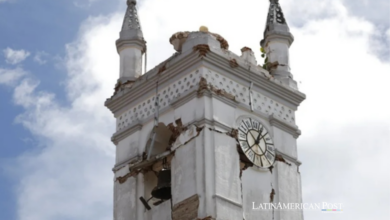
The Venezuelan government says nearly 18,000 people have been left without housing after the back-to-back earthquakes of magnitude 7.2 and 7.5. The official death toll has climbed to 3,685, with 16,740 injured. Authorities have not provided figures for the missing, a silence that in disaster zones often lands like another aftershock. It leaves families suspended between grief and hope, between the list posted at a shelter and the phone call that never arrives.
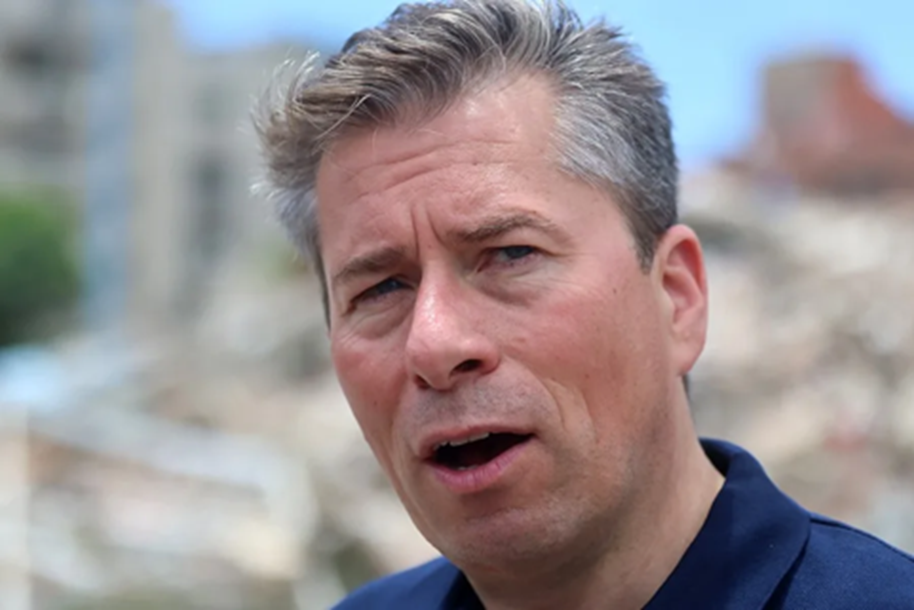
Tom Fletcher, the United Nations undersecretary-general for humanitarian affairs, walked through one of the most devastated areas and described shelter as one of the central emergencies now facing the country. In an interview with EFE in Playa Grande, Fletcher said the Venezuelan government has plans for more permanent housing and also to bring in prefabricated buildings. The United Nations system, he added, is already raising money to support that effort.
That plan sounds practical, almost plain. Bring in structures. Move people out of danger. Replace tents with roofs. But in Venezuela, housing is never just housing. It is memory, politics, scarcity, bureaucracy, land, oil money that vanished, wages that do not stretch, and a state whose promises have often arrived late or not at all. A prefab wall can be delivered by truck. Trust cannot.
The Math of Displacement
The official camp figures tell a sharp story about where the disaster hit hardest and where the pressure will build first. At least 16,686 people are being housed in 87 transitional camps set up by the Venezuelan government, according to figures presented Wednesday by Education Minister Héctor Rodríguez. La Guaira, north of the country and pressed between mountain and sea, carries the greatest burden: 10,469 people in 26 camps, with six camps already being expanded.
That means nearly two-thirds of the displaced people currently in camps are concentrated in La Guaira. The geography matters. This is not an empty plain where temporary housing can spread outward with little friction. It is a coastal state shaped by steep slopes, dense neighborhoods, landslide risk, informal construction, and the memory of earlier catastrophes. Every decision about where to put people becomes a decision about exposure: to rain, to unstable ground, to disease, to crime, to political anger.
Caracas has 5,046 people in 39 camps, while Miranda, near the capital, has 1,171 people in 22 camps. The contrast is revealing. La Guaira has fewer camps than Caracas but far more people in them, suggesting heavier concentration and potentially harsher living conditions. Miranda has the highest number of camps per displaced person among the three, which may mean smaller sites or more dispersed damage. Either way, the country is now managing not one humanitarian crisis but many small versions of it, each with its own logistics, resentments, and local power brokers.
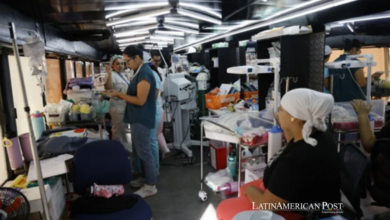
Fletcher put the urgency plainly in his EFE interview. People must be moved into some kind of longer-term accommodation, he said, because they cannot simply remain in destroyed areas where it is dangerous to be. They need better living conditions. The phrase sounds modest, but it contains everything: safer roofs, sanitation, privacy, electricity, schools, transport, medical care, and protection from the slow violence that follows the spectacular violence of an earthquake.
The United Nations Office for the Coordination of Humanitarian Affairs estimates that an additional $300 million is needed, after a similar amount has already been raised, to reach 1.3 million people affected by the earthquakes. That number widens the lens. The homeless are the most visible victims, but the affected population is much larger. It includes the injured, the newly poor, the elderly separated from clinics, children out of school, workers who lost tools or shops, and households whose homes still stand but no longer feel safe.
Prefab Promises, Political Tests
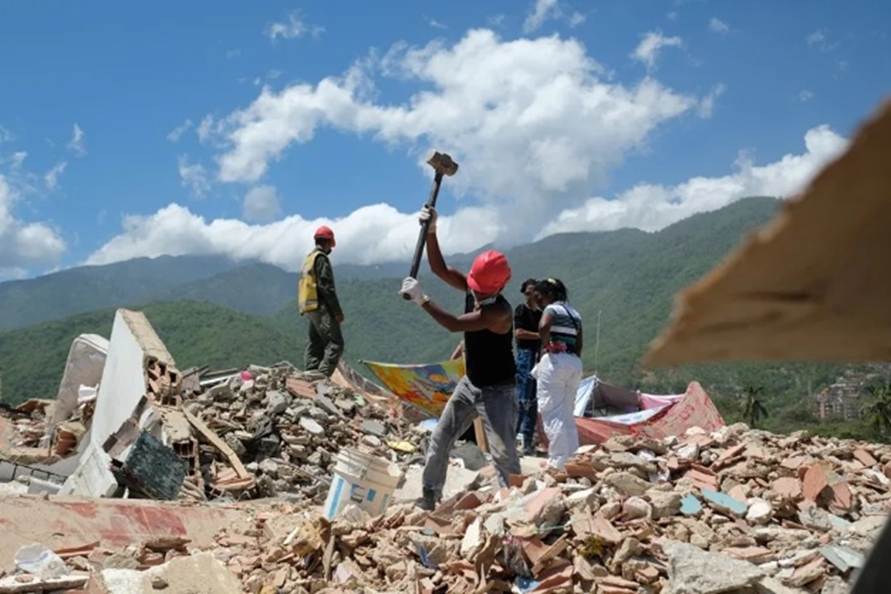
Prefabricated housing has an obvious appeal in the first weeks after a disaster. It can be faster than conventional construction and more dignified than tents. It gives officials a visible answer to public anguish. It gives international donors something concrete to fund. In a country where political legitimacy is contested in bread lines, voting lines, and neighborhood committees, a roof can become proof that the state still has a hand.
Yet the danger is that emergency architecture becomes permanent neglect. Latin America knows this pattern well. Temporary settlements harden into neighborhoods. Transitional solutions become inherited poverty. What begins as a humanitarian response can turn into another layer of urban inequality if land titles, utilities, schools, jobs, and public transport are not planned from the start.
That is the real test for Venezuela and its international partners. The issue is not only how many prefab units arrive, but also how quickly. It is where they go, who receives them, who is left waiting, and whether the process is transparent enough to survive a country already strained by polarization and economic hardship. Disaster aid can heal, but it can also deepen old wounds when communities suspect favoritism or political screening.
Fletcher told EFE he had briefed member states, with 170 partners online, to explain the needs around housing and shelter and seek the international generosity required. His words point to a delicate balance. Venezuela needs outside help, but the delivery of that help will pass through domestic institutions that many citizens view with suspicion. The United Nations can raise funds and coordinate efforts. Still, the legitimacy of recovery will be built locally, camp by camp, family by family.
For survivors, the policy language is distant. “Shelter solutions” means whether a grandmother can sleep without rain dripping onto her medicine. “Transitional camps” refers to whether a teenager can study by the light at night. “Longer-term accommodation” means whether a mother stops folding the same bag of clothes every morning in case officials tell her to move again.
The June 24 earthquakes have already become the deadliest Venezuela has seen in the last century, according to the official toll. But the final meaning of the catastrophe is not fixed. It will be written in the months after the shaking, when the cameras thin out and the camps remain. A country can survive a quake and still fail its displaced. Or it can turn ruins into a rare civic test, one measured not by speeches, but by doors that lock, roofs that hold, and families who finally stop sleeping like guests in their own homeland.
Also Read: Venezuela Quakes Shake Prisons as Political Prisoners Face Aftershock Neglect