Cuba Reboots Its Economy as Old Revolution Meets New Math
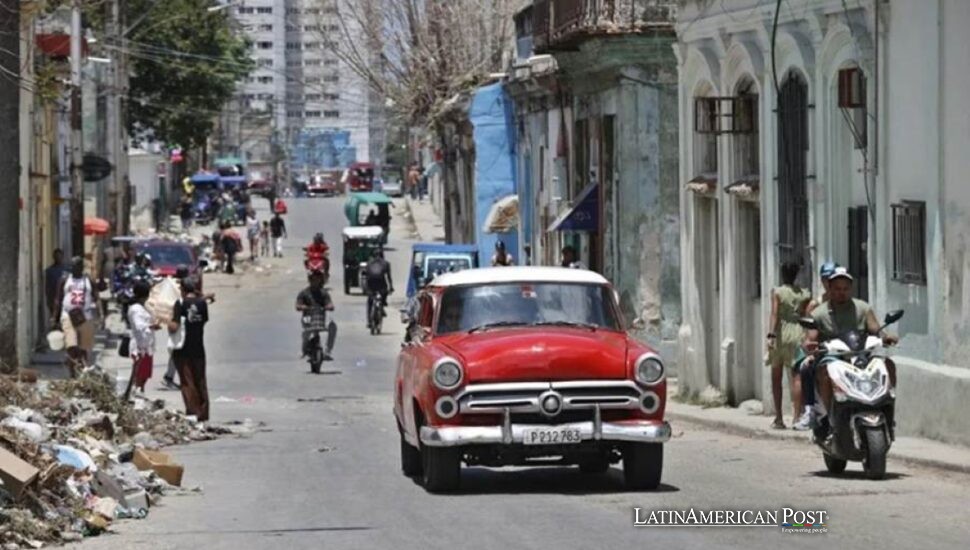
Cuba’s surprise reform package promises private openings, state-company autonomy, and foreign investment at a moment of shortages, sanctions, and exhaustion, raising a harder question for Latin America about whether a revolutionary state can decentralize power without losing its political script.
The Crisis Finally Speaks Plainly
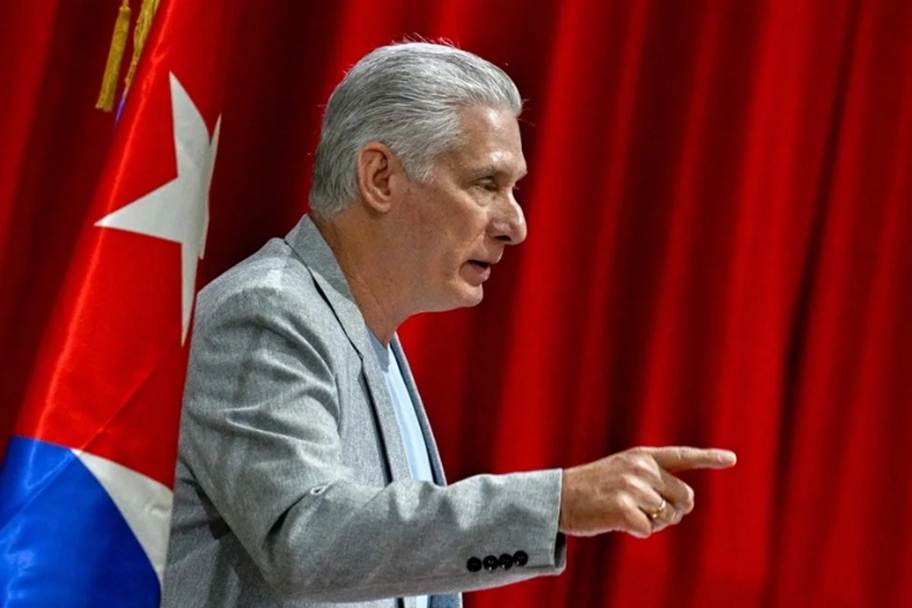
In Cuba, the official language is usually spoken carefully. It circles. It explains history before naming hunger, sanctions before saying scarcity, unity before admitting fracture. So when President Miguel Díaz-Canel suddenly announced a broad package of liberalizing and decentralizing economic reforms, the most revealing words were not technical. They sounded almost plain.
“These are times when we have to change,” he said in remarks to Cuban media broadcast by state television.
That sentence carries the weight of a country that has spent years improvising amid shortages, blackouts, inflation, migration, and a tourism sector that has never fully recovered its former shine. Díaz-Canel insisted the changes respond to “the demands of the current times,” not to Washington’s pressure for deeper economic and political reforms. Yet the island’s timing tells its own story. The Cuban state is trying to move before the crisis writes the reforms for it.
“The country is not stopped,” the president said. “The country is intelligently confronting this whole situation.” Then came the familiar warning, the old revolutionary reflex: “We cannot say everything so clearly because the enemy is watching everything we do. Our response has to be unity.”
There it is, the Cuban balancing act in miniature. Change, but not surrender. Market openings, but not ideological defeat. Decentralization, but not political pluralism. New actors, but under an old script.
For Latin America, this is not just an island story. It is a regional parable about governments that exhaust the state’s capacity to control daily life, only to discover the market waiting at the door, not as doctrine but as necessity.
New Actors, Old Nerves
The announced reforms touch several pressure points. Tourism, once one of Cuba’s strongest economic engines, will open to “new actors” to exploit the island’s hotel infrastructure after the partial or total withdrawal of major foreign hotel firms seeking to avoid U.S. sanctions. Díaz-Canel said Cuba can no longer think only of large chains, because many have left under pressure from Washington.
The phrase “new actors” is deliberately elastic. It may mean private Cuban businesses, foreign investors, mixed arrangements, diaspora capital, or forms of management the government has not yet named. That ambiguity is politically useful. It lets Havana test the water without saying how far it may swim.
The real estate sector is also on the table, with talk of new management models and new actors. State enterprises are promised more autonomy over wages, profit investment, import and export decisions, partnerships, business plans, and access to the foreign exchange market. Agricultural producers may gain direct access to inputs, the ability to engage with diverse economic actors, real bank accounts backed by cash, participation in exchange markets, and lighter bureaucracy.
Those are not small administrative tweaks. They strike at the machinery of Cuba’s centralized economy, where the state has long controlled permissions, intermediaries, access to currency, and planning.
Perhaps the most striking proposal is the elimination of state import companies that have served as mandatory intermediaries in foreign trade. In everyday terms, that could mean fewer bottlenecks for producers and businesses seeking supplies. In political terms, it means cutting into one of the state’s traditional points of control. Whoever controls import channels controls scarcity, privilege, and speed.
Cuba also wants to “incentivize” foreign direct investment and give Cubans living abroad the same conditions as citizens on the island. That matters enormously. The Cuban diaspora is not only a political force in Miami, Madrid, or Mexico City. It is also capital, remittances, technical knowledge, family survival, and emotional contradiction. Havana needs that money, but bringing the diaspora closer economically means accepting a truth the Revolution long resisted: the nation is not contained by the island.
This is where Cuba begins to resemble the rest of Latin America more than it likes to admit. Across the region, states depend on remittances, tourism, informal enterprises, commodity cycles, and diaspora networks to compensate for what formal institutions cannot deliver. Cuba’s exceptionalism is being eroded not only by U.S. sanctions but by the ordinary arithmetic of Latin American survival.
Latin America Knows This Bargain
The government also plans to reduce the number of ministries from 27 to 20, seeking a more agile state with less bureaucracy. Díaz-Canel said the reforms aim to end contradictions between central planning and the market, and between centralization and decentralization.
That is the most honest diagnosis in the package. Cuba is not choosing between socialism and capitalism in a clean textbook sense. It is trying to manage contradictions it can no longer postpone.
Latin America has seen this movie in different costumes. Mexico protected state industries, then opened. Brazil built national champions, then courted markets. Venezuela used oil wealth to expand its social power, then watched scarcity erode its political legitimacy. Caribbean nations learned that tourism can bring foreign exchange while leaving economies exposed to hurricanes, pandemics, and external demand. Across the region, reform is rarely just reform. It is a negotiation between sovereignty and dependency.
Cuba’s challenge is sharper because the state built its legitimacy on moral resistance to the market’s inequalities. Now it must invite market mechanisms while preventing them from exposing too loudly what Cubans already know: access to dollars divides society. Those with relatives abroad, tourism links, or private business opportunities can move faster. Those dependent on state salaries fall behind.
That is the danger in liberalization without protection. Autonomy for state companies could reward efficiency, but it could also deepen wage gaps. More private activity could bring food, services, and jobs, but it could also make inequality more visible. Opening tourism to new players could put idle hotels to use, but it could also reinforce an economy built around visitors while citizens struggle for basics.
Still, the alternative is not purity. It is stagnation.
For Cuba, the reforms are a late admission that control has costs. For Latin America, they are a reminder that ideology cannot substitute for productive capacity, and markets cannot substitute for justice. The region’s real question is not whether states should plan or markets should operate. Both already do. The question is who benefits when the rules change.
Cuba now says it must change because the times demand it. The harder part comes next. The island must decide whether decentralization becomes a path to national renewal or simply a new vocabulary for scarcity managed by different hands.
Also Read: Chile’s Valparaíso Port Gamble Tests a City’s Pacific Soul Again