Mexico Breeds Sterile Flies to Save Cattle Trade and Trust
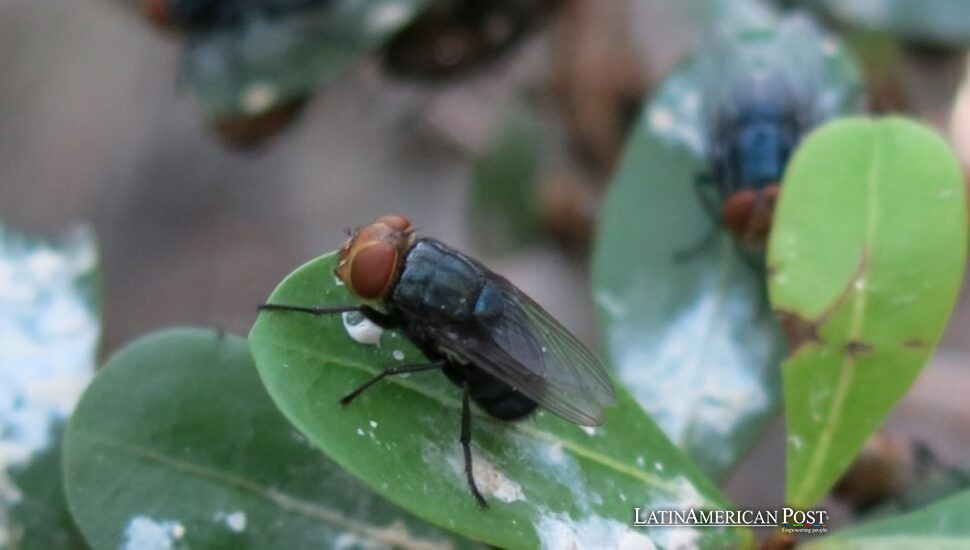
In southern Mexico, a new sterile fly plant is becoming a tool of border diplomacy, as scientists race to stop the flesh-eating screwworm, reassure U.S. officials, and revive cattle exports caught between biology, trade pressure, and rural economic anxiety.
A Tiny Fly With Billion-Dollar Consequences
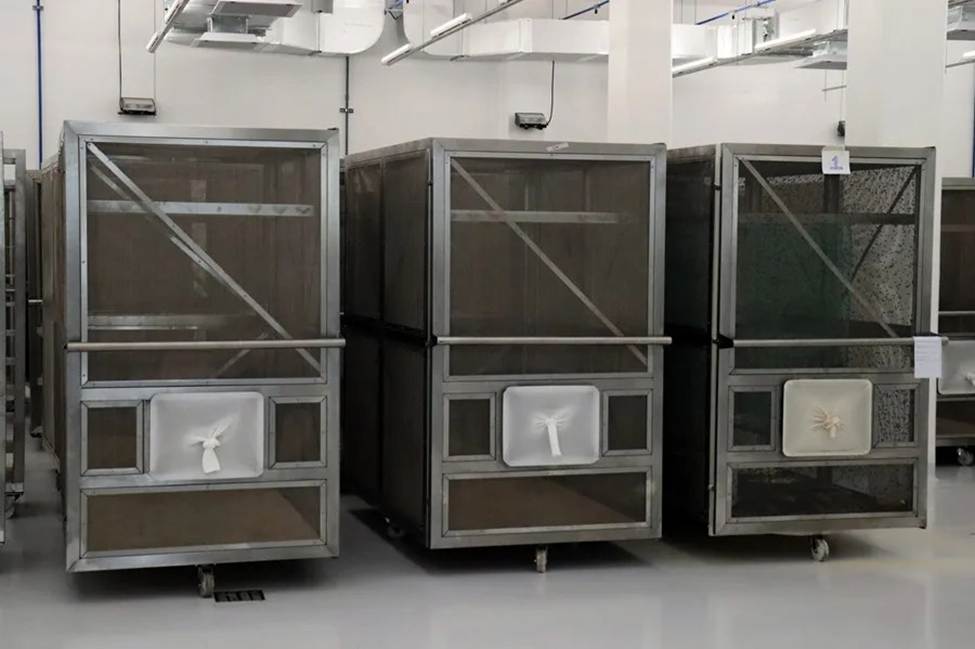
In Metapa de Domínguez, Chiapas, the future of Mexico’s cattle trade now hums inside cages. Not with bulls, vaccines, or border inspectors, but with flies.
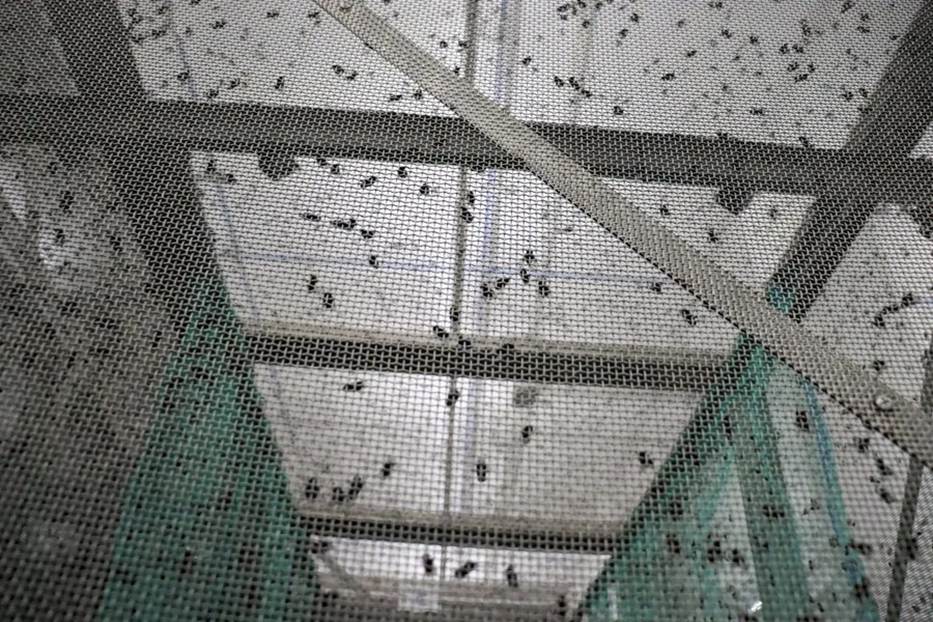
The sterile insect plant, built with binational investment from Mexico and the United States, has received its first biological material, the breeding stock needed to begin a colony of New World screwworm flies. The goal sounds almost unreal: raise them, sterilize them, release them, and let reproduction collapse from inside the pest itself.
For ranchers, the science is not abstract. The screwworm is a brutal parasite whose larvae feed on the living tissue of warm-blooded animals, especially cattle. A wound that might normally heal can become an entry point for infestation. In rural Mexico, where livestock is not only commerce but patrimony, credit, inheritance, and family survival, one fly can feel like a small omen of ruin.
That is why the Chiapas plant carries weight far beyond its walls. The pest reappeared in Mexico in late 2024 after having been eradicated in 1991. Its spread prompted the United States to impose temporary restrictions on Mexican cattle imports, disrupting a cross-border industry that depends on trust as much as it does on trucks. Every animal held back means lost income, delayed sales, and fresh friction in a relationship already shaped by migration politics, security disputes, and agricultural bargaining.
Project coordinator Humberto Gómez Velásquez said the facility’s weekly target is 100 million sterile flies, a scale he described as essential to giving the neighboring country confidence to reopen the border. That word, confidence, is doing heavy work. In U.S.-Mexico trade, confidence often becomes a technical term for political permission. Washington wants proof that Mexico can contain the pest. Mexico wants the border reopened. The flies are being asked to do diplomacy.
Eradication Moves from North to South
The campaign’s logic is geographic. Gómez Velásquez said eradication must come from the north of the continent, beginning in the southern United States and northern Mexico, through a sweeping strategy based on sterile fly dispersal. The method is elegant in a rough country way. Sterile males are released into infested areas. Wild females mate only once. If that mating produces eggs that do not hatch, the population shrinks.
The technique is not experimental folklore. It helped eradicate the New World screwworm from the United States in 1966 and was used again against a smaller outbreak in the Florida Keys in 2017. For Mexico, the memory is also national: the country eliminated the pest in 1991, a milestone now shadowed by its return more than three decades later.
The Chiapas plant began operating on June 28. Authorities expect it to produce its first 28 million sterile flies per week by mid-July, then scale up to 100 million weekly by the end of 2026. Those numbers matter because eradication is a war of saturation. A few sterile flies are a gesture. Tens of millions are a strategy. One hundred million a week from Chiapas, added to the more than 100 million available from the Pacora production plant in Panama, could give the region a denser biological shield.
The investment, reported at $57 million, also reveals how expensive prevention becomes once a pest crosses back into cleared territory. Cheaper to guard a border than to rebuild trust after it closes. Cheaper to maintain surveillance than to watch ranchers lose markets.
Gómez Velásquez said Mexico will begin adding to the flies from Panama and send 1.5 million flies daily to packing centers in Tampico or Texas. That detail is small but telling. This is not merely a Chiapas project. It is a corridor project that ties the tropical south to Gulf logistics and U.S. market demands. The fly becomes cargo. The cargo becomes evidence. The evidence becomes leverage.
Mexican Science Takes the Lead
There is another story inside the cages: Mexican scientists and engineers are not simply hosting a foreign technology. They are building capacity. Researchers from the Secretariat of Agriculture and Rural Development are also working on a new Mexican fly strain, an effort that could matter if regional conditions, pest behavior, or production needs shift.
José Luis Quintero, the operational coordinator for flies, said new technologies could advance far enough to leave Mexico’s countryside free of the plague. He emphasized that the work is being done by Mexican personnel, Mexican researchers, and Mexican processes. That assertion is not just patriotic varnish. Latin America has long been treated as a place where crises are managed with imported expertise. Here, the country is trying to show it can produce science at the scale of its own agricultural emergency.
The stakes are cultural, too. Cattle in Mexico occupy a deep social space, especially across northern ranchlands and southern rural economies where animals are wealth one can see, sell, and pass down. A border closure not only affects exporters. It travels backward through feed suppliers, transport workers, veterinarians, smallholders, and families who may own too few animals to absorb a shock but enough to be hurt by one.
Sterile flies are safe because they cannot produce larvae and pose no risk to people or animals. But public trust still has to be cultivated. In areas where releases occur, people may see sterile flies in traps or report them. Monitoring matters. So does communication, especially in rural communities where state programs are often greeted with practical suspicion earned over many years.
The larger lesson is uncomfortable. Mexico and the United States share more than a border. They share pests, markets, water stress, climate vulnerability, and political impatience. When a parasite returns after 33 years, it exposes the fragility of victories once considered settled.
In Chiapas, the answer begins with millions of sterile insects and a bet on patience. It is not glamorous. It smells of laboratories, livestock wounds, bureaucratic urgency, and rural fear. But if it works, the border may reopen not because speeches improved, but because a tiny fly failed to reproduce.
Also Read: Panama Canal Rhetoric Tests Trump’s China Scare and Sovereignty Politics