Peru Hands Keiko Fujimori the Keys to a Haunted House
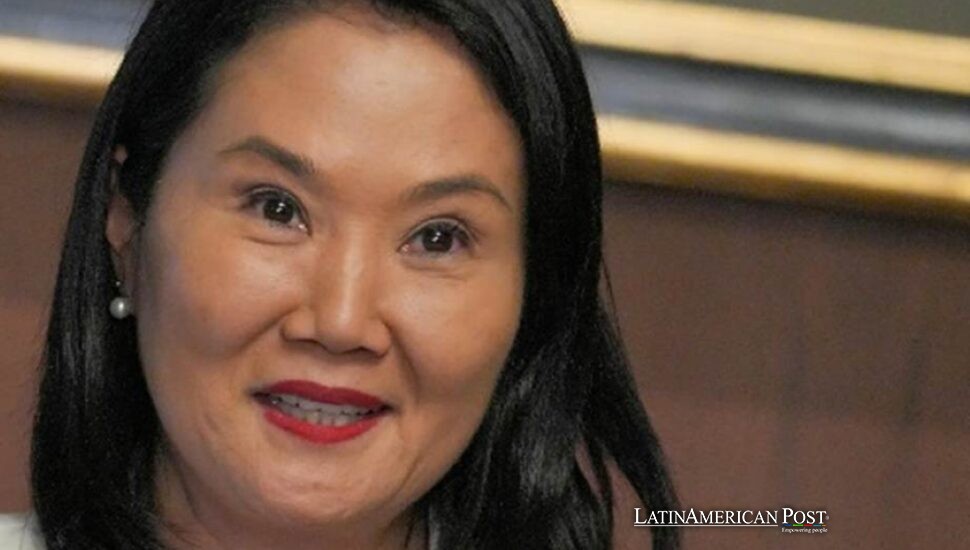
Keiko Fujimori’s razor-thin win gives Peru a familiar promise of order. Still, the map of her victory tells a rougher story: Lima’s relief, the Andes’ rage, and a presidency born under her father’s shadow once again, painfully, uneasily, at home.
A Mandate Measured in Scraps
On July 28, Keiko Fujimori will walk into the presidential palace with a victory certificate and a fragile hope. Her narrow win by 49,641 votes over Roberto Sánchez underscores how divided and uncertain Peru remains, reminding the audience of the country’s delicate state.
The numbers tell the first story. Fujimori drew roughly 65 percent in Lima and among Peruvians voting abroad. In these places, anxiety about crime, investment, and drift fed a craving for command. Sánchez carried the Andean south with support near 80 percent in some regions, the same Peru that often feels seen by the state only when soldiers, prosecutors, or mining permits arrive. In those highland communities, Fujimori struggled even to campaign. Opposition was not abstract. It had a street, a plaza, a family name.
Eduardo Dargent, a political analyst at the Pontifical Catholic University of Peru, told EFE that the election exposed a country “highly critical of politics, disillusioned, and distrustful of its leaders.” Fujimorism, he said, occupies an unusually uncomfortable place: it commands more support than other parties, but also far more distrust. That contradiction is the hinge of the new presidency. Fujimori is not entering power as an outsider. She is entering as the best-organized survivor of a political system many Peruvians believe has already failed them.
Order, but Whose Order
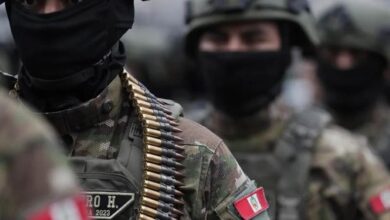
Her promise is in order. The word carries weight in Peru, where eight presidents and 21 prime ministers over 10 years have made the state feel less like a government and more like a hallway full of locked offices. In the last five years alone, more than 170 ministers and 15 interior ministers have passed through power. Authority has seeped outward to Congress, judges, governors, illegal miners, extortion gangs, and anyone else capable of filling the vacuum.
For business, Fujimori’s victory offers something rare: predictability. She is expected to preserve the market-led framework associated with Alberto Fujimori’s 1990s overhaul. This model helped make Peru one of Latin America’s faster-growing economies and kept the sol comparatively stable. Her probable economic team, including former economy minister Luis Carranza, signals comfort to investors. The agenda is familiar: cut regulations, formalize informal businesses, unblock mining projects, and reassure capital that Lima can again make decisions.
Yet Peru’s economic question has never been only whether mines move or currencies hold. It is those who pay the social cost when the road to growth runs through indigenous land, polluted rivers, or towns that hear about prosperity from a television in Lima. A technocratic cabinet can steady markets. It cannot, by itself, turn mistrust into legitimacy. That will require public works, and also humility: functioning clinics, decent schools, protective police and courts that do not look like weapons passed from one faction to another.
The father’s ghost becomes unavoidable in her presidency. Alberto Fujimori is remembered by supporters as the man who defeated hyperinflation and the Shining Path insurgency. He is remembered by others through massacres, corruption, and a 25-year sentence for crimes against humanity. Keiko Fujimori invoked his image during the campaign, promising to fight crime as he did. The applause was real. So was the shiver, raising questions about how her past influences perceptions of her legitimacy and the challenges she faces in uniting the country.
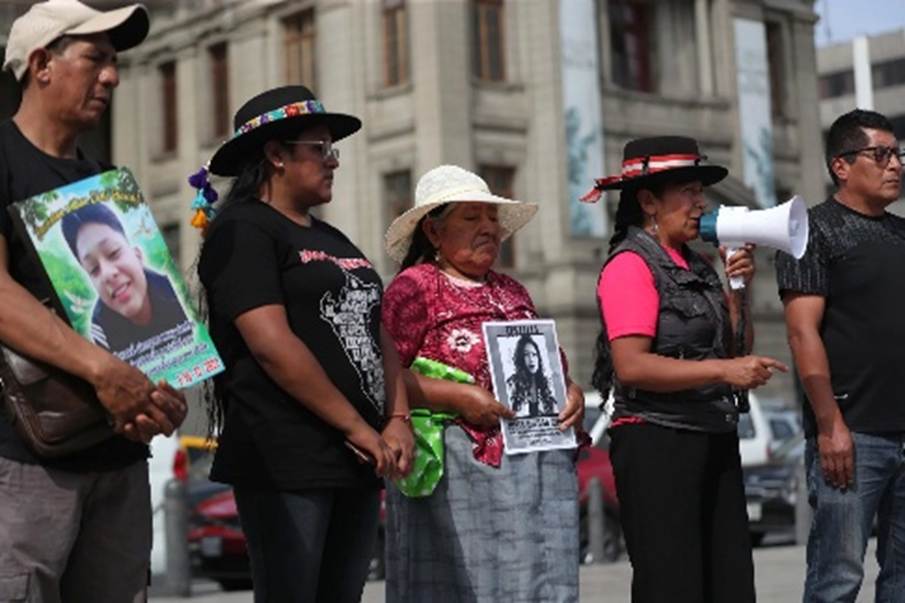
The Andes Will Not Be Quiet
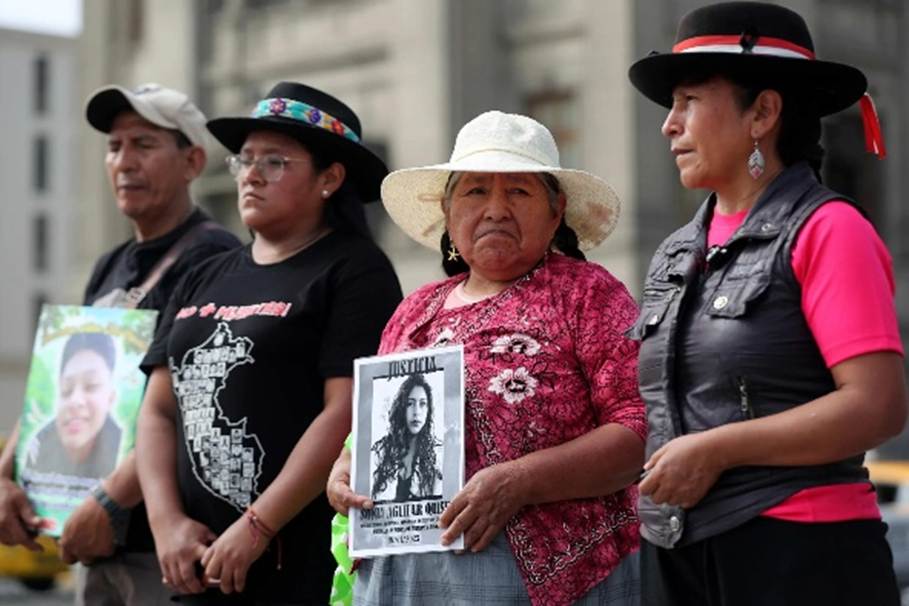
The southern Andes are not just an electoral challenge for Fujimori; they are vital for her legitimacy because they represent regions with deep histories of conflict and resistance. This region bore the brunt of state repression during the 2022 and 2023 protests after Pedro Castillo’s ouster and imprisonment, when around 50 people were killed. It is also land still marked by the internal armed conflict against Shining Path and the MRTA, where memories of violence are not museum pieces. They sit at kitchen tables. They walk to school.
Fujimori has said she must win the south’s trust. The test will be whether she understands trust as something built, not subdued. Dargent told EFE he has little hope for openness if history is the guide, describing Fuerza Popular as a party inclined to see Peru in black and white. He warned that Fujimori’s instinct to “order the country” may deepen conflict if she remains trapped in echo chambers that validate only one interpretation of Peru.
The risk is not theoretical. After losing narrowly in 2016, Fujimori used her congressional strength to grind down Pedro Pablo Kuczynski’s government, weaken education reform and punish regulators who challenged private university interests. More recently, Fuerza Popular helped roll back tools meant to fight organized crime by weakening prosecutors, partly after Fujimori herself spent 17 months jailed in a politicized case later dropped. Revenge would be understandable to her supporters. It would also be ruinous.
So the presidency opens with two Perus staring at the same woman. One sees discipline, markets, prisons, roads, and an end to drift. The other sees a dynasty returning with an iron fist and an old contempt for the highlands. Between them stands Fujimori, no longer the defeated daughter of 2011, 2016, and 2021, but the president-elect of a country that gave her power by a whisper. To govern, she must hear it. To survive, she must hear the shout beneath it.
Also Read: Brazil Draws a Red Line Against Washington’s Crime War Creep