Cuba Moves a Dissident from Prison into a Darker Silence
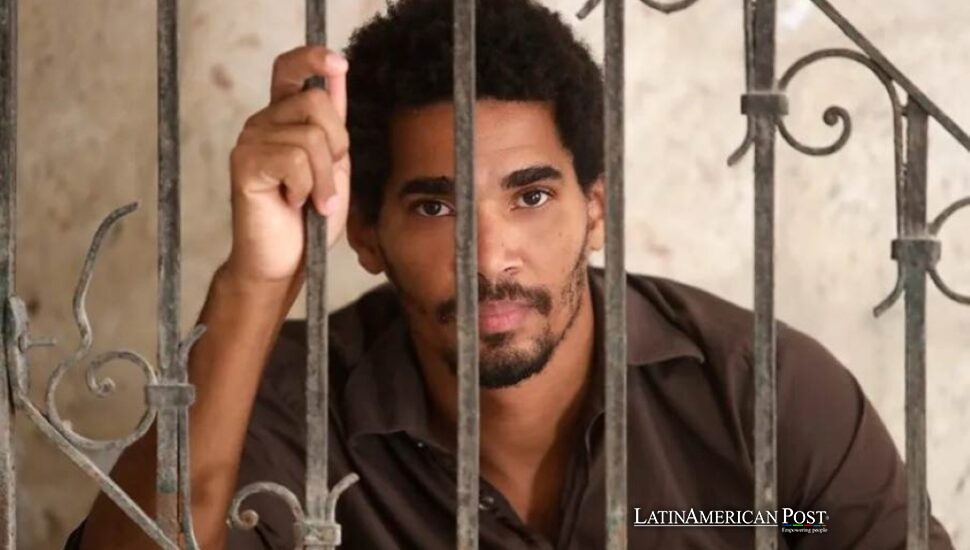
Cuban artist Luis Manuel Otero Alcántara has completed his five-year sentence, yet freedom remains elusive. A monitored phone call, an undisclosed location, and talk of exile reveal how Cuba can turn release into another instrument of political control and fear.
A Voice on Speakerphone
The call came from an unknown number. Otero Alcántara was speaking, but certainly not alone.
Curator and activist Anamely Ramos said the Cuban artist called Thursday from a State Security cellphone on speaker. It was the first contact since authorities reportedly removed him from Guanajay prison two days earlier. She asked: How are you? Where are you?
He said he was “well,” in the guarded tone people use when well means alive. He could not say where he was. Ramos suggested he might not know.
That exchange held the architecture of Cuban repression. A voice was permitted, but not privacy. Contact returned, but location remained secret. A prison term had ended, yet custody seemed to continue in another form. Reassurance arrived under supervision.
Officials, Ramos said, wanted an update on a U.S. parole request that would allow him to leave Cuba. Her blunt reading: the government wants him out.
For an artist formed by a Havana neighborhood, exile is not a clean synonym for freedom. It can save a life while separating him from the streets and neighbors who gave his work meaning. Across Latin America, departure has often served as a pressure valve, offering release while demanding disappearance.
Otero Alcántara’s case makes that bargain visible. His home in San Isidro, one of Havana’s poorest districts, became an open door for people rarely welcomed into official institutions. The government’s problem was not only what he made. It was those who gathered and learned that culture did not require permission.
When Art Becomes Evidence
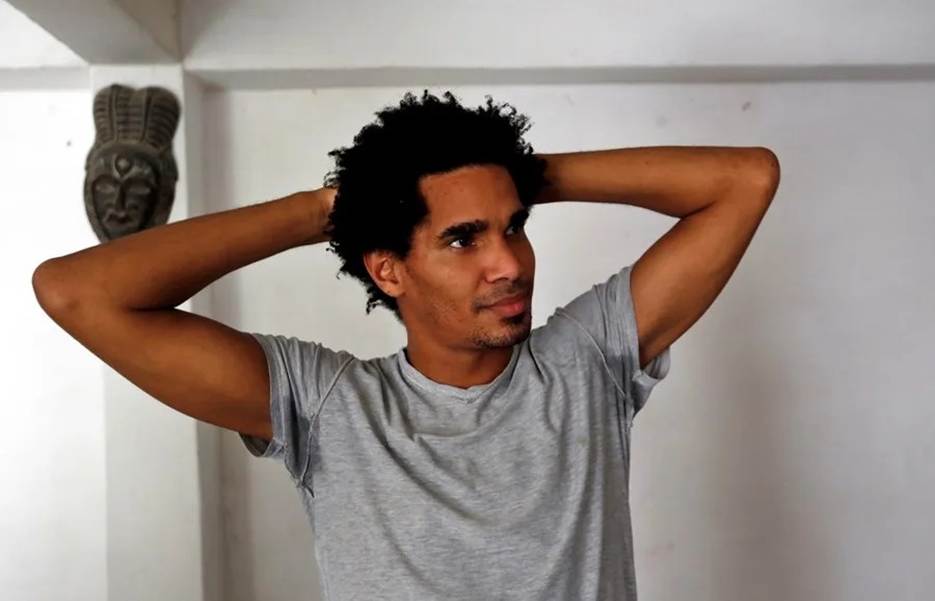
Since 2017, Cuban authorities have repeatedly detained and surveilled Otero Alcántara over performances challenging state power, making art a powerful act of resistance that demands our attention.
The crackdown followed a familiar logic. Artworks were seized. His home was raided. Detentions near his front door made ordinary movement feel criminal. In April 2021, he was reportedly detained eight times within 100 meters of his house. During a hunger strike over confiscated work, State Security removed him to a hospital and cut off outside contact.
On July 11, 2021, as historic protests spread across Cuba, he was arrested before reaching the demonstration. His five-year sentence for charges like ‘contempt and public disorder,’ often used against critics, highlights how Cuba criminalizes dissent and political expression.
The acts treated as criminal included protest posts, demonstrations, a song in the street, and alleged insults to national symbols. That accusation says much about Cuba’s political order. The state presents flag, revolution, and government as nearly inseparable. Criticizing an official can be recast as wounding the nation.
In 2023, the United Nations Working Group on Arbitrary Detention concluded that his imprisonment was arbitrary and rooted in free expression through art. Inside Guanajay, he reportedly endured isolation, poor food, inadequate medical care, hunger strikes, fainting spells, and temporary facial paralysis. He described prison as a place where each day stayed the same while the body changed.
The chronology since March [2026] reveals how U.S. officials reportedly pressed Cuba to release prominent political prisoners during negotiations, highlighting how international diplomacy influences Cuba’s handling of dissent and imprisonment.
Now he is out of Guanajay, but apparently not free enough to name the room around him.
Freedom with a One-Way Ticket
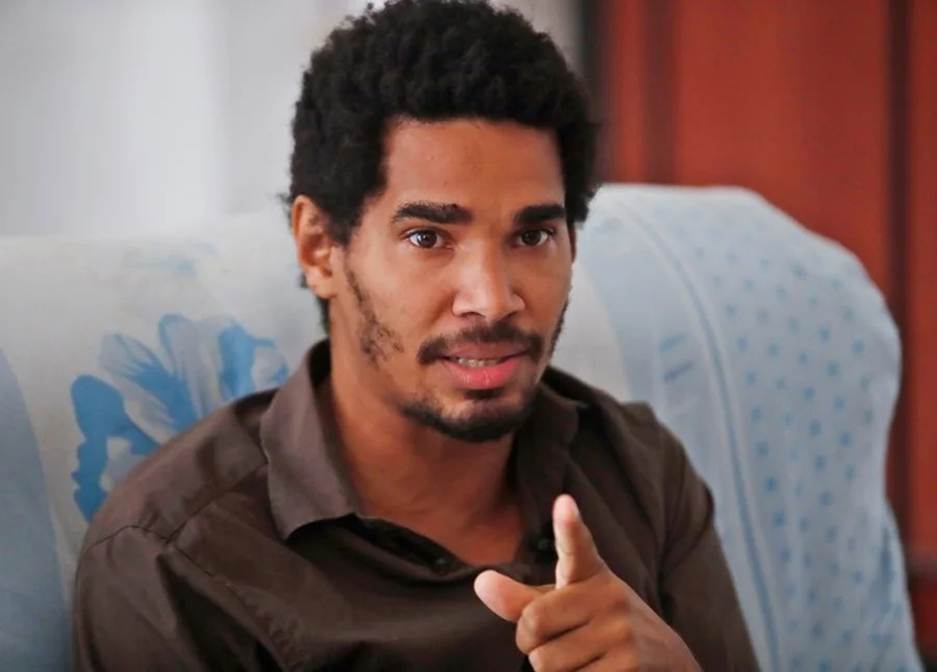
The parole discussion exposes a contradiction in U.S.-Cuba politics, where the promise of refuge clashes with the reality of exile as a tool of control, stirring hope for genuine freedom.
For Cuba, sending Otero Alcántara abroad would solve immediate problems. It would reduce the likelihood of protests around his home, weaken his domestic network, and convert a troublesome citizen into an exile speaking from Miami or elsewhere. The government could advertise his release without allowing him to live and work freely in Havana.
For the diaspora, his arrival would bring relief and another wound. Migration has divided families, artistic communities, and political movements across the Florida Straits, illustrating how exile fragments Cuban culture and civic life and transforms artists into symbols abroad.
His awards, exhibitions, and documentary appearances show that prison failed to erase his work. Yet recognition can flatten him too, turning a complicated artist into a clean symbol. A recent North Miami exhibition of sculptures predating his global fame matters because it insists he was an artist before institutions recast him as a case.
The question is not whether Otero Alcántara completed five years. By the calendar, he has. It is whether Cuba will recognize a freedom that includes remaining Cuban on Cuban soil, making difficult art, receiving friends, and answering a private phone without an officer listening.
A confident revolutionary state would not hide an artist after his sentence ends. It would let him walk home, let the neighborhood see him, and risk the open door again.
Also Read: Latin America Sweats as Air Conditioning Booms and Bills Bite