Peru Offers Mexico an Olive Branch Wrapped in Old Grudges

Peru’s president-elect Keiko Fujimori says she wants diplomatic ties with Mexico restored, but Claudia Sheinbaum is not rushing. Behind the polite phrases sit Pedro Castillo, asylum, migration controls, trade interests, and a regional argument over who gets to define democracy.
The Handshake That Has Not Happened
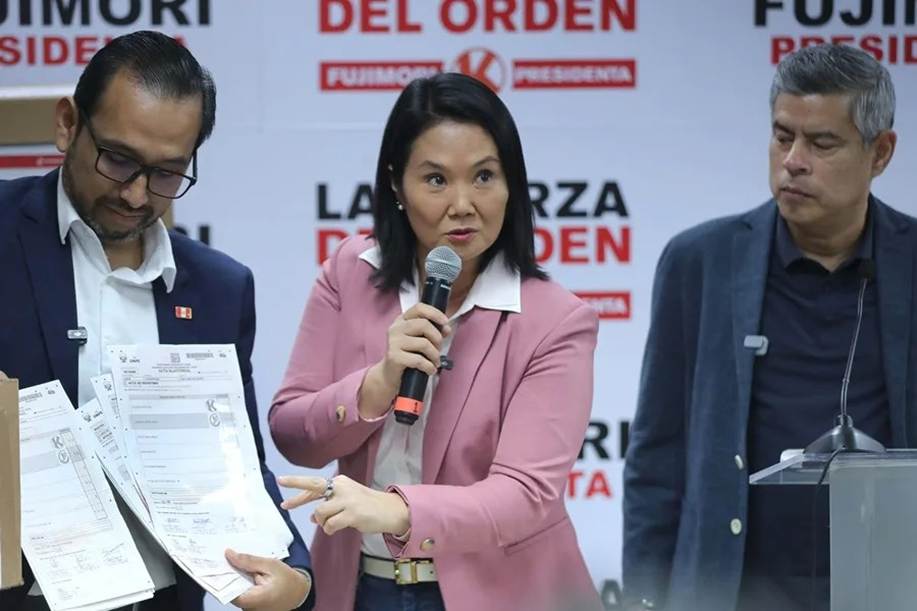
At Lima City Hall, Fujimori offered a modest sentence carrying the weight of two capitals. “From my side,” she said, there is every intention of restoring relations with Mexico. No timetable, no formula, no hint of what Peru might concede. Still, the phrase placed the future on the table while suggesting the obstacle now sits in Mexico City.
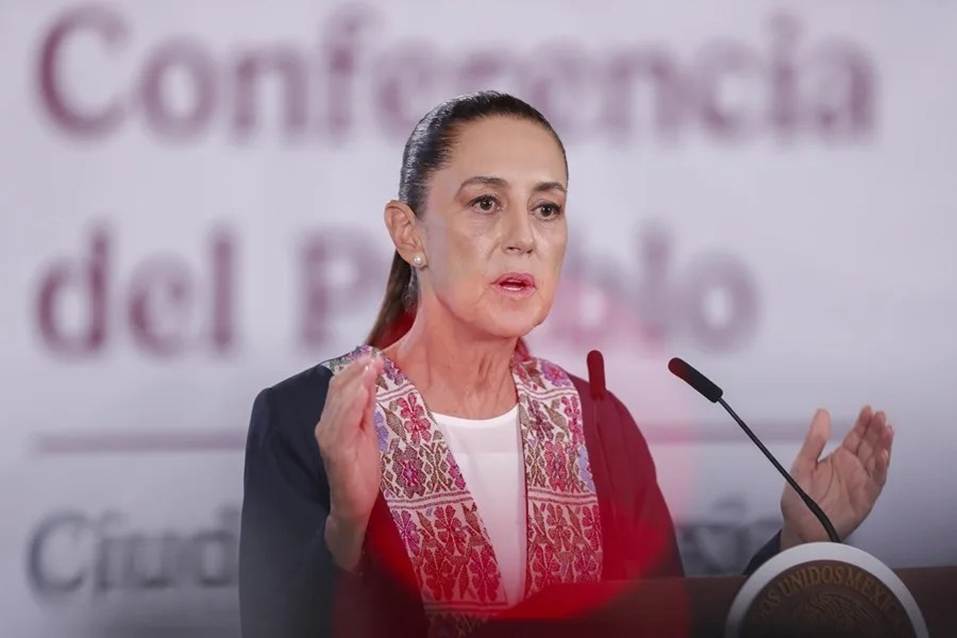
Sheinbaum had answered before the invitation was fully extended. She had not spoken with Fujimori, she said, and Mexico would wait. Then came the reminder: Peru broke relations with us. It was not a slammed door. It was a chain left on, open just wide enough to preserve the grievance.
For Fujimori, who takes office July 28 after winning by roughly 49,600 votes, the dispute arrives before the sash. Her 50.135 percent victory over Roberto Sánchez’s 49.865 percent was a photo finish, not a national embrace. Restoring ties offers an early image of competence: a president repairing what Peru’s revolving governments allowed to harden while speaking above familiar political trench warfare.
History crowds the room. In December 2022, Pedro Castillo tried to dissolve Congress and govern by emergency decree. He was arrested before reaching the Mexican Embassy. Mexico granted asylum to his wife and children. Peru expelled the Mexican ambassador, later withdrew its own, and declared then-President Andrés Manuel López Obrador persona non grata. Even the Pacific Alliance, built to make commerce more practical than politics, became hostage to the feud.
Asylum Meets the Autogolpe Mirror
Mexico casts its position as a defense of political asylum, one of the most durable moral languages in its foreign policy. From Spanish Republicans to South American exiles, refuge has served as evidence that sovereignty can include sheltering the persecuted. Mexico says that asylum for former Peruvian Prime Minister Betssy Chávez was granted in accordance with the Caracas Convention. Peru sees ideological intervention for officials accused of breaking the constitutional order.
The argument contains an uncomfortable mirror. Fujimori is the daughter and political heir of Alberto Fujimori, who dissolved Congress and suspended constitutional restraints in 1992. Castillo’s 2022 maneuver failed within hours. The episodes differed in their power, violence, and outcomes, but Peruvians cannot hear “autogolpe” without the Fujimori surname entering the conversation. She must defend Peru’s grievance against Mexico without appearing selective in her assessment of executive overreach.
Sheinbaum has drawn her own line. Mexico considers Castillo’s imprisonment illegal and disputes the basis for his conviction. She insists this is a reasoned position, not partisan affinity. Yet Mexico’s public judgments about Peru sit awkwardly beside its doctrine of nonintervention. Lima’s complaint is not only that Mexico opened an embassy door. It is that Mexican presidents kept narrating Peru’s legitimacy from outside.
The final rupture came in November 2025, when Mexico granted Chávez asylum inside its Lima embassy. Peru cut diplomatic relations and refused safe passage. Brazil later assumed responsibility for Mexico’s diplomatic interests and embassy property, with Peruvian consent, while consular ties remained. The arrangement prevented a total collapse but produced a peculiar tableau: a Brazilian flag guarding the shell of a Mexican relationship that Peru now says it may want back.
Migrants Live Below the Diplomatic Balcony
The most revealing chapter drew fewer presidential speeches. In 2024, Mexico reinstated visa requirements for Peruvians, citing an increase in travelers using Mexican territory to reach the United States irregularly. Peru announced reciprocal visas, then reversed itself four days later after tourism businesses warned of the cost. The episode exposed the asymmetry beneath equal sovereignty. Mexico could tighten a route that mattered deeply to Peruvians. Retaliation risked hurting Peru’s own hotels, restaurants, and airlines first.
For migrants, a visa is not abstract. It is borrowed airfare, an appointment that never opens, a relative waiting in California, a choice to risk the Darién rather than board a plane. Mexico’s rule may have reduced one pathway, but such restrictions can redirect people toward longer, more dangerous journeys. The freeze turned migrants into evidence in somebody else’s argument, first as a security concern, then as leverage.
Trade proved more durable. Peru and Mexico preserved commercial ties worth more than $2.5 billion after the break, and both remained inside the Pacific Alliance. Exporters still need customs channels. Families still need documents. Airlines still sell seats. Governments can perform outrage upstairs while technicians keep ordinary life from seizing below.
A genuine reset depends on practical solutions like resolving Chávez’s asylum and visa policies, giving the audience confidence that tangible steps can lead to improved relations.
Fujimori’s olive branch is politically useful, but Sheinbaum is right about one fact: Peru made the formal break. Mexico, however, helped create the climate that made rupture attractive. Each capital defended principle while practicing presidentialism, that old Latin American habit of turning personal conviction into state doctrine.
The cost of delay will be paid far below the presidential balconies.
The wiser course is not forgetting. It is lowering the volume enough to govern. Peru and Mexico share too much history, commerce, migration, and regional machinery to let one embassy become a permanent monument to wounded pride.
Also Read: Venezuela Quakes Shake Prisons as Political Prisoners Face Aftershock Neglect