Brasil Reignites Neymar Novel Again as Vinícius Turns World Cup Forward
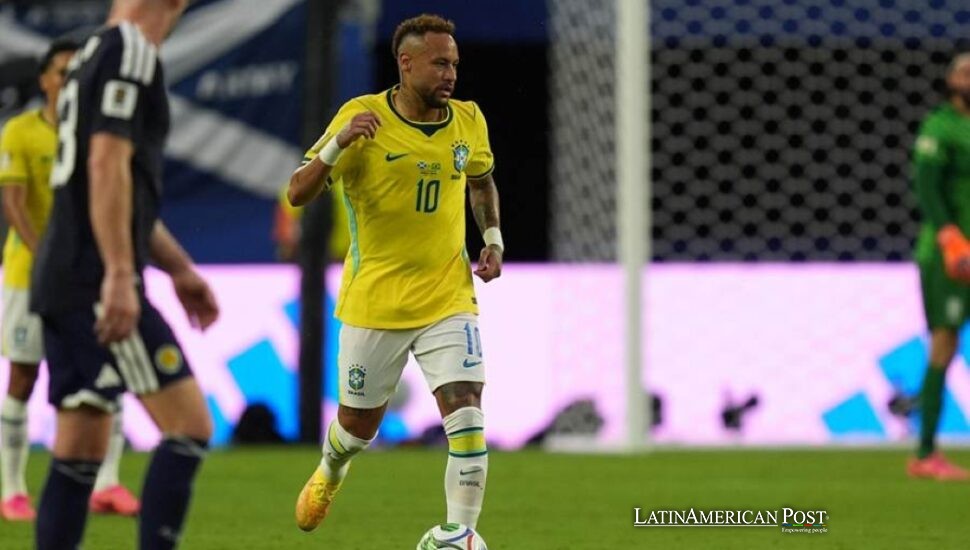
Neymar's Miami return gave Brazil a World Cup subplot with old ache and new electricity, as Vinícius Júnior powered a 3-0 rout of Scotland and Carlo Ancelotti tested whether nostalgia can still help a team built for tomorrow.
A Roar Before the Touch
The first sign was not tactical. It was not on Carlo Ancelotti's whiteboard, not in the shape of Brazil's press, not in Scotland's tired defensive line melting under the Miami Gardens heat. It came from the stands, from the yellow shirts sticking to shoulders, from phones raised before anything had happened.
Neymar's name appeared on the enormous stadium screens, and the place buckled into noise.
That is what happens with certain players in Latin America. They do not merely return. They are received. Even after absence. Even after injury. Even after another star has taken the light and carried it without asking permission.
Almost three years had passed since Neymar last wore Brazil's shirt. The gap was not theatrical. It was medical, brutal, and ordinary in the way elite soccer can suddenly turn flesh into paperwork. An anterior cruciate ligament and meniscus tear in a World Cup qualifier in October 2023 kept him away from the national team for too long. Then came recovery, missing rhythm, doubt. He is 34 now, old enough in forward years to be discussed in the past tense even while standing on the touchline.
But in Miami, no one treated him like a museum piece. They treated him like a memory that had learned to walk again.
Ancelotti understood the room. "Neymar needs no ulterior motivation. Everyone loves him here," the Brazilian manager said afterward, explaining why the forward deserved his minutes. "Neymar is still the same, and at 34, he has the same passion he had as a kid."
The line sounded sentimental. It was also strategic. Brazil had already beaten Scotland 3-0. Vinícius Júnior punished them twice in the first half, all acceleration and punishment, before Matheus Cunha added the third. The match was won before Neymar came on for Cunha. That made the substitution safe. It also made it revealing.
Brazil did not need Neymar to survive against Scotland. It may still need him to understand itself.
The Crown Has Moved
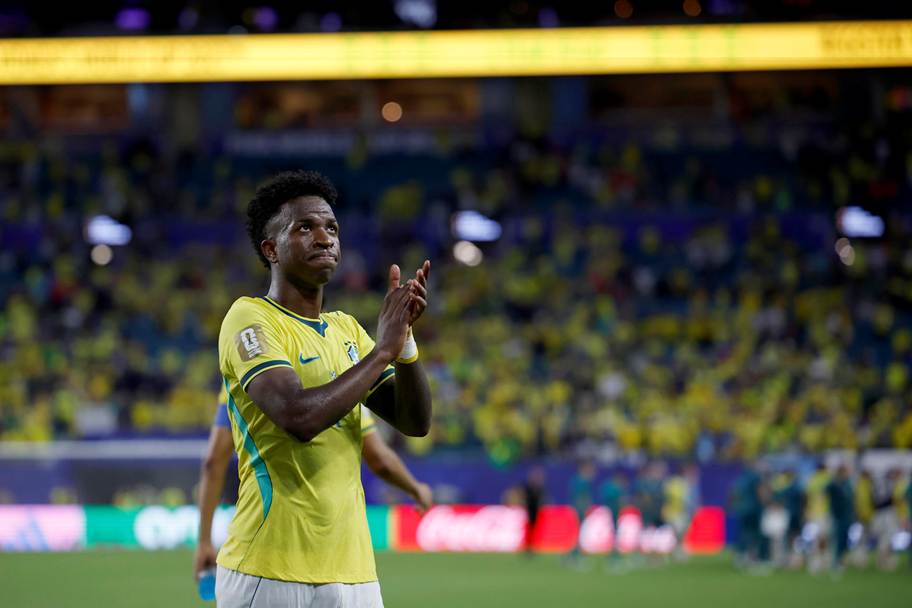
The data tells the unsentimental part of the story. Brasil finished the Group C finale with a clean sheet, three goals, and a performance that looked less like improvisation than control. Vinícius scored twice, confirming what this World Cup has already suggested: this is no longer Neymar's attacking monarchy. It is Vini's front line now.
That shift matters because Brazil has often treated genius as an organizing system. Pelé, Romário, Ronaldo, Ronaldinho, Neymar. The country loves collectives, but it narrates itself through gifted bodies, through boys who appear to make poverty, pressure, and poor federation politics vanish for 90 minutes. The problem is that history can become a trap. Every new Brazil team is asked whether it resembles an old Brazil team. Every star is asked whether it can restore something that no country actually owns forever.
Vinícius gives Brazil a different route. He is less fragile in symbolism than Neymar because he has already been formed in a harsher international theater. At Real Madrid, he learned to decide games under racial abuse, tactical compression, and commercial scrutiny. He carries joy, yes, but not the soft kind. His game has an edge. It has an argument.
Against Scotland, that edge showed. Two first-half goals did more than settle a match. They protected Brazil from sentimentality. They allowed Ancelotti to use Neymar as an addition, not a rescue. That is a healthy arrangement for a contender.
There is a lesson from Latin America here. The region often romanticizes return because return is one of its central stories. Migrants return with gifts. Exiles return with scars. Politicians return promising unfinished revolutions. Aging players return to childhood clubs and crowded airports. But return can become dangerous when it asks the present to kneel before the past.
In Miami, Brazil avoided that. Neymar's comeback mattered because it did not interrupt Vinícius's ascent. The old icon entered a match already shaped by the new one.
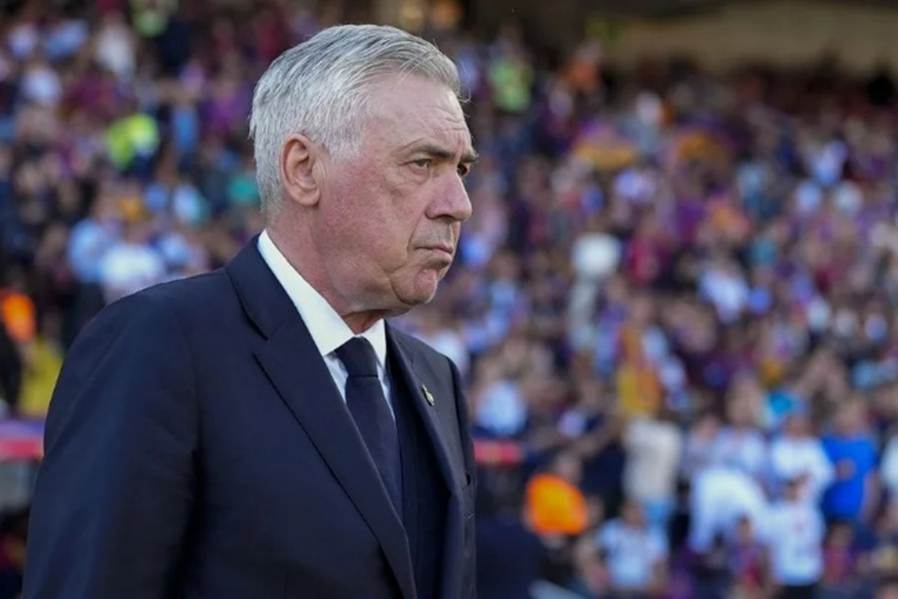
Ancelotti's job is to keep that balance alive. Neymar still has qualities Brazil may need in tight knockout games: pause, deception, the pass before the pass, the arrogance to slow a frantic night. But his body can no longer be treated as public property. The data for this match is blunt. Brasil scored all three goals before he entered. The emotional data is also blunt. The crowd still belonged partly to him.
That tension is not a problem if managed honestly. It becomes a problem only if affection starts making decisions.
Miami Felt Like Home Soil
The setting mattered. Miami Gardens is not Rio, Salvador, or Santos. But it is one of the capitals of Latin America's emotional geography, a place where Spanish and Portuguese move through parking lots, restaurants, radio, bank lines, and airport terminals with the ease of permanent weather. For Brazil, Argentina, Colombia, Venezuela, Haiti, and the Caribbean, South Florida is not neutral ground. It is a diaspora mirror.
That is why Neymar's entrance felt more like an introduction than a substitution. It was also a recognition ritual. Many in the stands had watched him grow from a Santos prodigy to a Barcelona star to a Paris celebrity to a wounded veteran. They had defended him at family tables, cursed his theatrics, copied his hair, bought shirts they could not quite afford, and aged with him.
Latin American fandom is rarely clean. It is love mixed with accusation. Neymar has carried that especially. He was asked to be Pelé's heir, then Messi's rival, then Brazil's savior, then a cautionary tale about fame, injuries, and distraction. Some of the criticism was earned. Much of it was punishment for being expressive in a world that prefers disciplined suffering from its heroes.
Now he returns to a Brazil team that may not orbit him. That may be the most merciful version of the story.
For Latin America, the image extends beyond soccer. The region knows what it means to have brilliant individuals asked to compensate for fragile systems. A great forward covers for a bad federation. A beloved singer covers for a neglected neighborhood. A charismatic leader covers for weak institutions. Then the body breaks, the voice fades, the leader leaves, and the structure remains exposed.
Brazil's best news is not that Neymar played a few minutes. It is that Neymar could play a few minutes without the country needing to pretend he was still the whole plan.
This is how mature soccer nations age. They do not exile their icons, nor do they let them block the road. They turn memory into a tool.
Scotland withered in the stifling shade, and Brasil moved forward with the tournament still widening in front of it. The roar for Neymar will be remembered. So will Vinícius's goals. Together, they offered a cleaner reading of where Brazil stands at this World Cup midpoint: dangerous, emotional, not yet complete, but no longer trapped inside one man's knees.
The old prodigal son is back. The new king is already scoring. And somewhere between the two, Brazil may have found the rarest thing in a World Cup: not closure, not redemption, but timing.
Also Read: Latin American Teams Reach World Cup Halftime with Swagger Intact