Colombia Fans Flood Miami as World Cup Party Tests Police
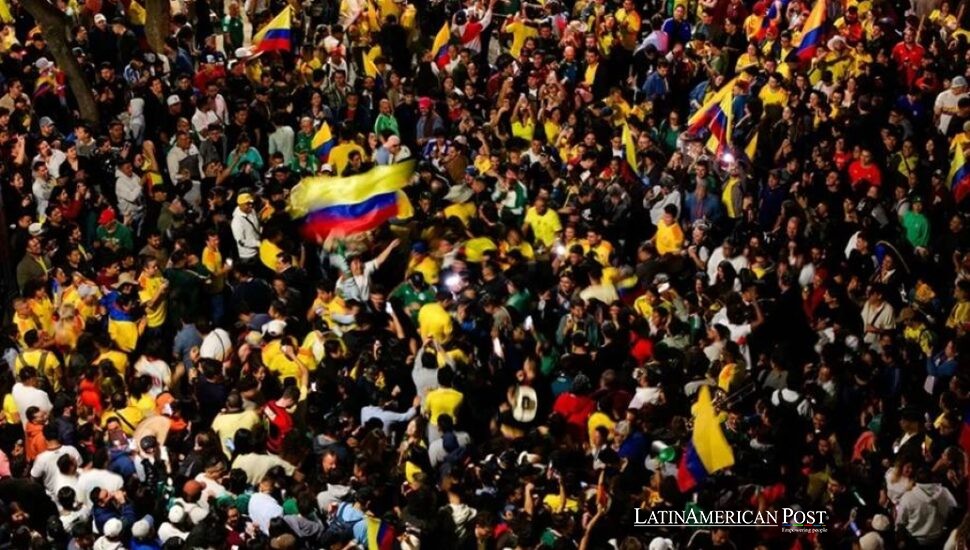
Colombia's World Cup clash with Portugal is turning Miami into a yellow-shirted pressure cooker, as police brace for record Fan Fest crowds, heavy traffic, and a repeat of the chaotic 2024 Copa América final at Hard Rock Stadium.
A City Warned by Its Own Memory
By Thursday, Miami was already speaking in warnings. Not panic exactly. More like a city that remembered the taste of a bad night and did not want to swallow it twice.
The Miami Police Department told residents, visitors, and transit users to prepare for "significant crowds" and "heavy traffic" downtown Saturday, June 27, when Colombia faces Portugal in a World Cup match at Hard Rock Stadium. The FIFA Fan Fest, police said in a public advisory cited by EFE, is expected to draw record attendance. That means downtown streets, parking lots, and transit hubs will carry more pressure than usual, and once the Fan Fest reaches capacity, officers will direct fans to watch elsewhere.
This is the ordinary language of event management. Capacity. Congestion. Transit nodes. Alternative sites. But underneath it sits something more human and more complicated: Miami's Colombian heartbeat.
Florida is home to about 540,000 people of Colombian origin, according to Census Bureau figures in the notes, nearly one-third of the 1.7 million Colombians in the United States. That number is not just demographic texture. It is the reason Saturday's match can turn a viewing area into a national plaza. It explains why a game at Hard Rock Stadium can feel, for thousands, like a family reunion conducted in traffic.
Colombia enters the match with six points from two wins. Portugal has four. The math is clean and cruel. Colombia wins Group K with a draw. Portugal needs a victory to leapfrog the Colombians. A group finale with stakes, a huge diaspora, a free public gathering, and South Florida heat is not just a soccer event. It is a logistics exam with drums.
The police have already had a rehearsal. On Wednesday, when Brazil played Scotland, the Fan Fest was full, and officials sent late-arriving supporters elsewhere. That was a warning without catastrophe. Saturday may be louder, more Colombian, more emotional.
For Miami, this is where celebration becomes infrastructure.
The Stadium's Shadow Still Lingers
No one responsible for Saturday can pretend 2024 is old news.
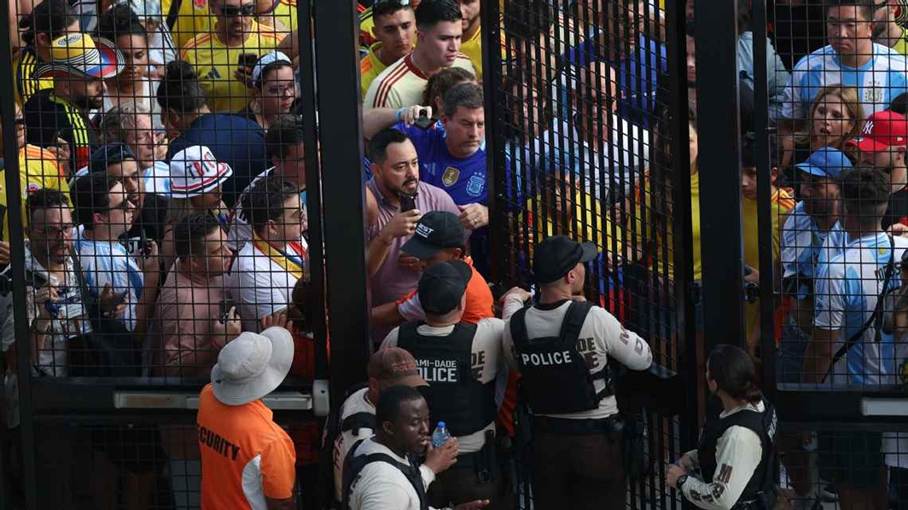
Argentina's 1-0 win over Colombia in the Copa América final was delayed by more than an hour due to crowd problems at Hard Rock Stadium. Fans breached security gates. Social media videos showed people in Colombia's yellow and red colors jumping railings near the southwest entrance and running past police officers and stadium attendants. Some fans needed medical treatment. Some asked for water in the thick South Florida heat.
A fan named Claudio, who had traveled from Mendoza, Argentina, described the crush in Spanish. "They can't organize a World Cup! It's impossible," he said, according to the notes. He spoke of people stuck against gates for hours, unable to breathe, of a senior citizen, and of his own young son left without water. It was the kind of testimony that stays in a city's ears.
Miami-Dade County Mayor Daniella Levine Cava and chief public safety officer James Reyes said during that final that more than 550 police officers had been assigned to the stadium detail, along with personnel from nearby departments. Their statement was blunt: "This situation should never have taken place and cannot happen again."
That sentence now hangs over the World Cup like an audit.
Hard Rock Stadium later said it had worked with CONMEBOL, CONCACAF and local law enforcement, and that security staffing had been more than doubled compared with a regular event. The venue emphasized safety as its top priority and promised to review processes and protocols. Yet the images from that night were difficult to bureaucratize. Gates rocking. Tickets are not being scanned—people are carrying children through moving crowds. A stadium with world-class branding suddenly looks frighteningly underprepared.
The lesson was not simply that some fans behaved badly, though some did. Modern soccer crowds are faster than old assumptions. They organize through phones, arrive in waves, mix ticketed and unticketed hopes, and carry national emotion into commercial spaces built to monetize passion but not always contain it.
For Colombian fans, there is an added unfairness. The 2024 images risk turning a whole community into a security problem. That would be lazy and wrong. Most supporters will arrive with tickets, flags, children, sunscreen, and the same hope that has followed Colombia since the days when Valderrama's hair became a continental symbol, and the 1990s made beauty and heartbreak almost inseparable.
But organizers cannot manage Saturday through stereotypes or sentiment. They must manage it through shade, water, signage, crowd flow, real-time communication, ticketing discipline, transit coordination, and enough humility to admit that joy can become dangerous when poorly handled.
Diaspora Joy Meets Public Risk
The Colombian presence in Florida is not accidental. It is built from migration, conflict, business, exile, study, family reunification, and the long Latin American instinct to make a home wherever the next door opens. In Miami, Colombians are not visitors to the city's identity. They are part of its grammar.
That is why this match matters beyond Group K. It lets a diaspora become visible all at once. The flag around a child's shoulders. The grandmother who still says "mi selección" with the ownership of someone who left but did not detach. The young professional who has lived more years in Florida than Bogotá but knows exactly how a Colombian goal should be screamed.
World Cups do this to Latin América. They compress history into public emotion. They make migration audible. A plaza full of Colombians in Miami is also a map of the region's uneven economies, its violence, its ambition, its family networks, and its refusal to let distance dilute belonging.
The economic layer is just as real. Fan Fests bring spending to restaurants, bars, ride-share drivers, hotels, and vendors. They also bring overtime costs, cleanup, blocked streets, and stress on public transit. For cities, World Cup enthusiasm is both a source of revenue and a burden. For local governments, the question is whether the spectacle pays its civic bill.
Saturday will test whether Miami has learned to treat fans as people before they become a crowd. That means clear entry rules before the surge, not after. It means water before distress. It means directing overflow fans early, not when frustration has already gathered heat. It means police presence that protects without provoking, especially in a city where many Latin Americans know uniforms through more complicated memories.
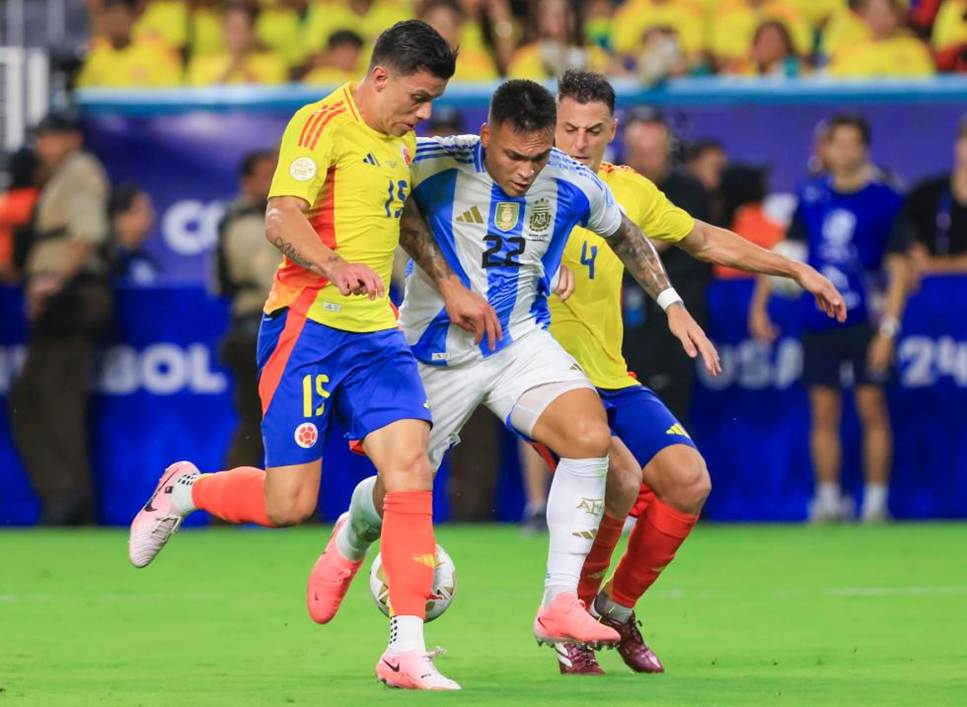
Colombia also carries the sporting advantage into the night. Six points give it room to breathe. A draw wins the group. Portugal, with four points, must chase. That dynamic could shape the mood. Colombian fans may arrive expecting celebration. Portuguese fans may arrive needing urgency. Inside the match, control favors Colombia. Outside it, control belongs to Miami.
EFE's reporting captures the official concern in plain terms: big crowds, heavy transit, record attendance expected. The deeper story is whether a city that sells itself as Latin América's northern capital can host Latin América's soccer passion with the seriousness it deserves.
A good Saturday would be remembered for noise, not sirens. For yellow shirts moving through downtown like sunlight. For Colombia, advancing, or suffering, or celebrating, in the normal dramatic range of soccer. Not for gates. Not for thirst. Not for children lifted above a crush.
Its own past has warned Miami. Now it gets another chance to prove that the party can be big, Colombian, and safe.
Also Read: Karim López Carries Mexico into the NBA Draft’s First Round