Latin American Teams Reach World Cup Halftime with Swagger Intact
At the 2026 World Cup midpoint, Mexico, Brazil, Argentina, and Colombia are safely through, while Paraguay and Uruguay still sweat. The standings reveal regional muscle, familiar inequality, and a tournament testing whether expanded access can produce deeper Latin American power.
The Heavyweights Have Arrived
Across living rooms from Monterrey to Medellín, halftime has meant arithmetic. Fifty-four matches are finished, 50 remain, and every goal redraws a bracket that looks less like a chart than a family argument. Who has enough legs? Who is dreaming too loudly?
Latin America has delivered authority at the top. Mexico won Group A, Brazil took Group C, and Argentina secured Group J. Colombia reached the Round of 32 before meeting Portugal for first place. Four of the first 13 qualifiers came from the region, nearly 31 percent.
The manner matters. Mexico won all three matches, converting host pressure into nine points. For a team haunted by “el quinto partido,” the old dream of reaching a fifth match, expansion changes the joke. A fifth game now means only the Round of 16. Mexico’s standard must rise.
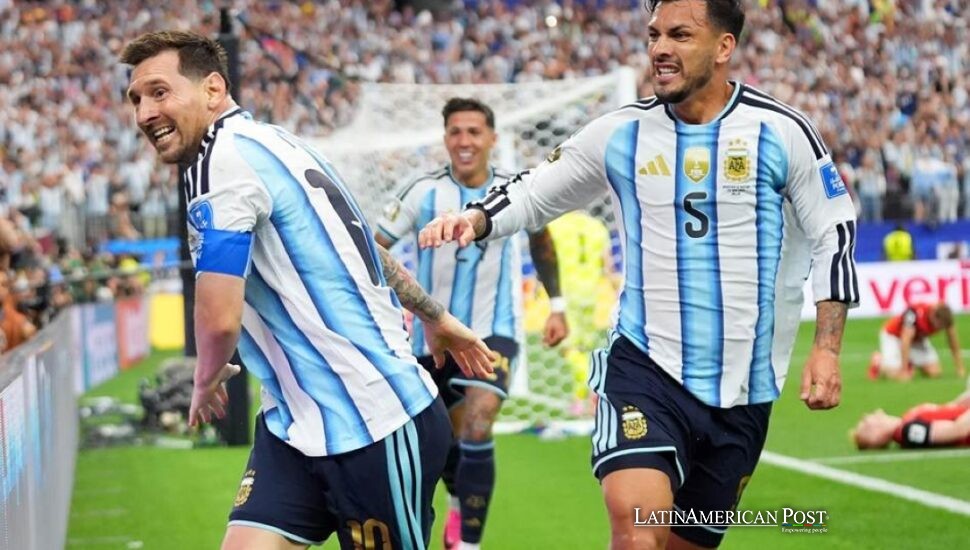
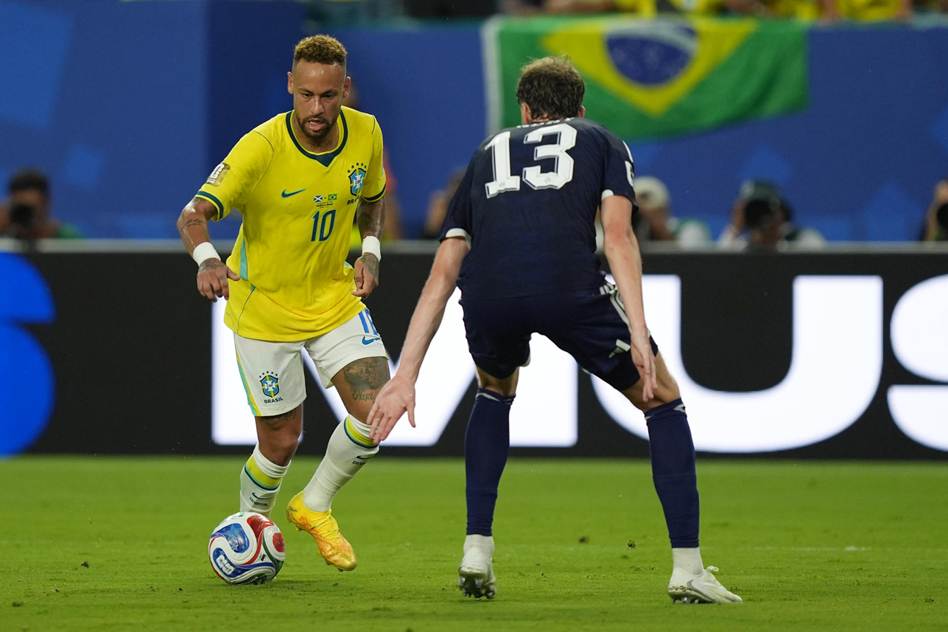
Brazil looks less sentimental and more complete. Vinícius Júnior has four goals, and Brazil finished first with seven points and no goals conceded. Argentina is more theatrical. Lionel Messi, now 39, scored all five Argentine goals through two matches. Greatness this concentrated is thrilling, but also fragile.
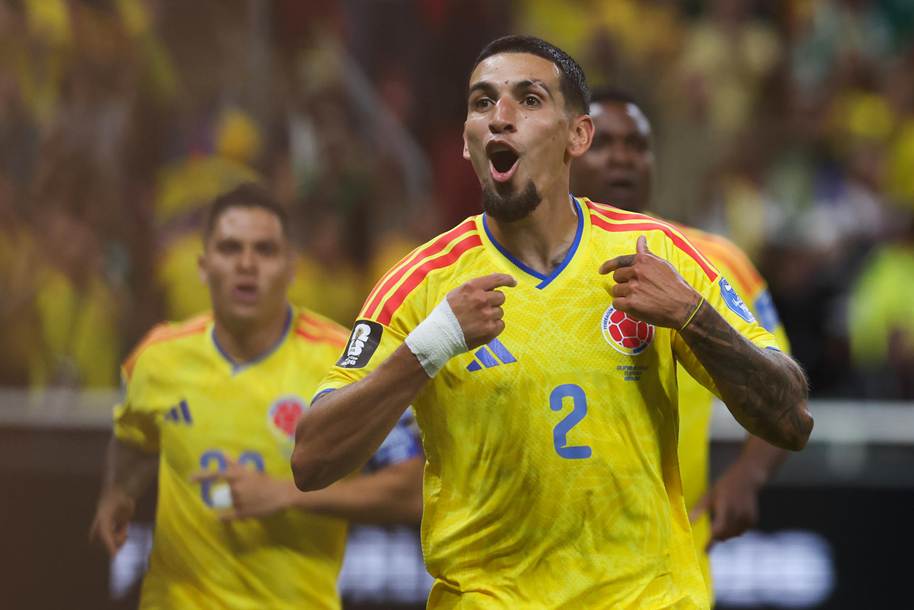
Colombia may offer the healthiest model. Two wins produced four goals, one conceded, and passage before the glamour match with Portugal. After missing Qatar 2022, Colombia returned without asking one fading icon to carry the entire national mythology. That suggests planning, not merely inspiration.
That distinction reaches beyond tactics. Across the region, national teams are public institutions by other means, tasked with delivering unity, competence, and joy in societies where governments rarely manage those three things at once.
Expansion Cuts Both Ways
The new format flatters and exposes. Thirty-two of 48 teams advance, so two-thirds of the field reaches the knockouts. Under the previous system, half survived. Reaching the Round of 32 is therefore a lower bar than making the old Round of 16. Winning a group says more.
At the bottom, Haiti and Panama are out. Paraguay faces Australia in a direct win-and-in game. Uruguay, held to a draw by Saudi Arabia and Cape Verde, has two points before meeting Spain. Ecuador and Curaçao entered their finals with one point each. The door widened, but the luggage remained unequal.
That imbalance resembles Latin America. Brazil and Argentina draw from vast player-export systems. Mexico has Liga MX money, host logistics, and enormous crowds. Colombia has rebuilt around talent spread across competitive leagues. Smaller federations arrive with thinner benches, tighter budgets, and almost no room for injury or error.
Scoring sharpens the contrast. The tournament has produced 161 goals in 54 matches, or 2.98 per game, the highest rate in more than 50 years. At that pace, it would finish near 310 goals, crushing the old record of 172. Attacking courage explains some. Expansion and mismatches explain more.
The schedule is another opponent. By Saturday, 72 matches will have been played in 17 days. The champion must then win five elimination games. A broad squad is infrastructure, not luxury. Wealthier federations rotate elite players and manage recovery. Poorer ones ask the same starters to keep running.
The table, therefore, carries two truths. Latin America’s giants remain globally competitive. Its depth remains sharply stratified. The distance between Brazil and Haiti is not only talent. It is money, governance, travel, youth development, and the institutional patience to prepare for years instead of weeks.
Home Tournament Beyond Borders
The World Cup belongs to three host countries, yet much of it feels culturally Latin American. Mexico is home. Miami will give Messi something close to a home match. Colombian, Brazilian, Argentine, and Ecuadorian communities have turned U.S. stadiums into temporary extensions of Bogotá, São Paulo, Buenos Aires, and Quito.
That energy reflects decades of migration and a continental economy in which families, money, and identity cross borders despite hardened politics. FIFA markets atmosphere. Supporters supply something more intimate: children wearing a country’s shirt more confidently than they speak its language, grandparents recognizing an old chant.
There is a harder truth. Record crowds do not mean equal access. Many Latin American fans in U.S. stadiums have purchasing power that their relatives at home lack. The tournament packages include tickets, travel, and branded shirts. Football unites, but the market decides who gets close enough to be visible.
The second half will show whether Latin America has a bloc or merely several powers. Argentina can repeat. Brazil has an heir apparent in Vinícius. Colombia looks balanced. Mexico owns momentum and a raised ceiling. Paraguay, Uruguay, and Ecuador must keep the regional story from becoming top-heavy.
The numbers encourage, but do not settle. Nearly one-third of the first qualifiers were Latin American, and Messi and Vinícius occupy two of the top four scoring spots. Knockout football punishes dependence, fatigue, and romantic thinking. One bad night can erase a month of certainty.
At halftime, the region has earned swagger. The deeper question is succession. Messi cannot remain forever, Brazil cannot live on memory, and Mexico cannot define progress by surviving an easier first cut. This World Cup matters only if Latin America turns presence into power, then power into a future.
Also Read: Karim López Carries Mexico into the NBA Draft’s First Round