How Mexico Turned a Stadium Wave Into a Guinness World Record
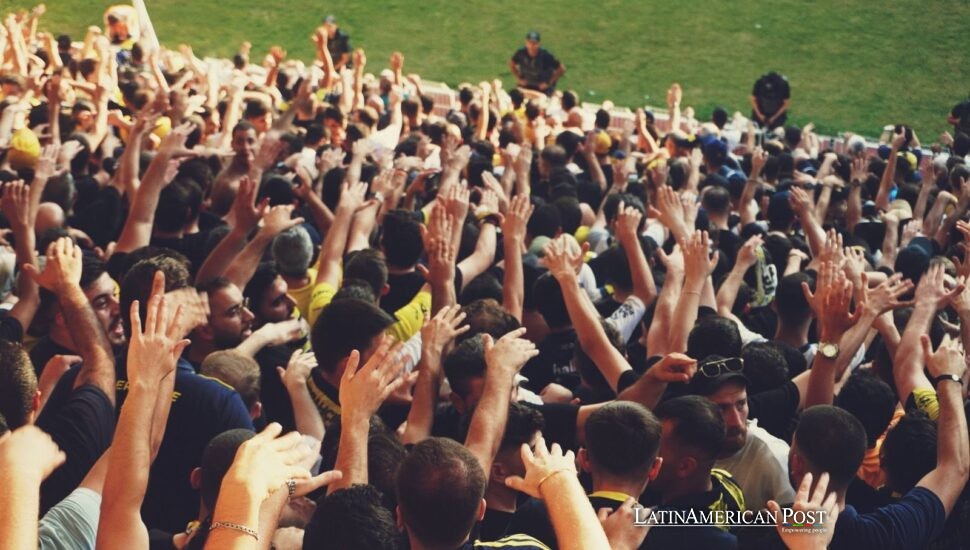
What happens when more than 50,000 people in a single stadium decide, all at once, to throw their arms in the air and ripple a human wave around an entire bowl of concrete? In Mexico, it became history. A coordinated stadium wave broke a Guinness World Record, turning an ordinary matchday ritual into a moment that bounced across social feeds from Guadalajara to Buenos Aires. It was proof, once again, that Latin American sports crowds do not just watch the spectacle — they become it.
That energy no longer stays inside the stands. The roar of a packed estadio now travels instantly to phones, group chats, and streaming windows, feeding a booming online entertainment culture that wraps around every big match. Part of that culture includes crypto casinos, which have grown into a popular corner of digital leisure for fans who follow major Latin American sporting spectacles. Guides ranking the best Bitcoin-friendly sites for 2026 walk readers through game libraries, privacy-focused and no-KYC options, supported coins like Bitcoin, Ethereum, and USDT, and welcome offers, alongside broader crypto news and market analysis. For a mobile-first generation already living the action online, these sites have become one more way to stay plugged into the excitement on a big night.
A Record Born From a Cultural Habit
The stadium wave — la ola — is practically a national pastime in Mexico. Anyone who has sat through a Liga MX clash between Club América and Chivas, or watched El Tri light up the Estadio Azteca, knows the feeling. The crowd grows restless, someone in a lower section stands, the people beside them follow, and within seconds a current of color sweeps around the entire structure.
Turning that habit into a Guinness World Record took organization, but the raw ingredient was already there: a culture that treats the crowd as part of the show. Mexican supporters have long understood that the spectacle is not only what happens on the pitch. The chants, the banners, the choreographed movement — these are the country’s contribution to global stadium culture, and the record simply put an official stamp on something fans had been perfecting for decades.
Why Latin American Spectacles Travel So Well
Few regions package sporting drama quite like Latin America. A single weekend might offer a
Boca Juniors–River Plate Superclásico in Argentina, a Flamengo showdown in Brazil’s Maracanã, and a Canelo Álvarez fight card streaming out of Las Vegas with half of Mexico tuned in. Each event carries its own soundtrack, its own folklore, and its own army of fans ready to amplify every moment.
That intensity is exactly why these spectacles dominate online. A goal in stoppage time becomes a meme within minutes. A knockout punch becomes a looping clip. A record-breaking wave becomes a global headline. The emotion is portable, and the internet is the megaphone.
What used to be confined to a neighborhood bar full of jerseys now spills into millions of feeds, where strangers across continents react to the same heartbeat in real time.
The Digital Layer Around Every Big Match
As the audience moved online, an entire entertainment ecosystem grew up alongside the games. Second screens light up with live stats, fantasy lineups, prediction polls, and highlight reels. Streaming sites carry matches that once required a satellite dish. And digital leisure — from mobile games to crypto-based entertainment — fills the gaps before kickoff and during halftime.
The connection between sports and cryptocurrency has become its own field of study. A thematic review on crypto in sport traces how digital tokens have woven themselves into fan engagement, sponsorships, and the broader culture surrounding major events. For a region where smartphones are often the primary way people watch and spend, that overlap feels natural rather than novel.
A Generation That Watches and Spends Differently
Young fans across Mexico, Colombia, and Argentina have grown up with the phone as the center of their entertainment life. They stream Peso Pluma between matches, follow box scores through apps, and manage money in ways their parents never did. Digital currencies fit neatly into that habit, especially among users drawn to privacy and quick access.
Researchers have explored how this behavior shapes broader markets. Academic work on investor beliefs and prices models how expectations and emotion drive demand for crypto assets — the same blend of optimism and excitement that fuels a stadium on a Saturday night. The psychology is not so different. A crowd that believes the next goal is coming is, in its own way, behaving like a market full of believers.
When the Final Whistle Doesn’t End the Night
One of the most striking shifts in recent years is how the energy of a big match refuses to fade. The whistle blows, the wave settles, and yet the fans keep going. They argue in comment sections, replay the highlights, and keep their phones glowing long after the floodlights dim. A second thematic study on digital tokens and sport examines how this always-on engagement reshapes the way people relate to competition and risk. It captures something Latin American fans have understood instinctively: the spectacle is never really over.
Mexico’s record-breaking wave was a single, dazzling moment — tens of thousands of arms rising in perfect rhythm. But it also told a larger story. In a region where passion for sport is woven into daily life, every great match now lives twice: once in the stadium, and again, endlessly, online.