Rocky Curse Grips Ecuador Fans at Philly World Cup
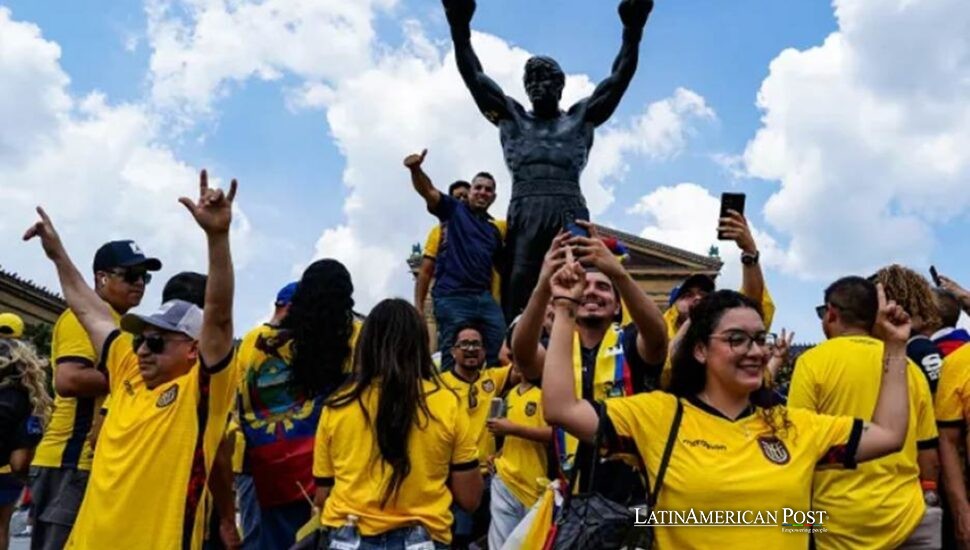
Ecuador fans dressed Rocky in yellow, then watched the old Philadelphia superstition bite. Now Latin American supporters heading to World Cup matches face a playful warning with deeper echoes of pride, migration, ritual, and soccer belief.
A Jersey, a Statue, a Loss
Philadelphia loves a dare. It loves a climb, a chant, a sweaty public gesture that says you made it to the top even before the fight begins. So when Ecuador supporters reached the steps of the Philadelphia Art Museum and slipped a yellow national team jersey over the Rocky Balboa statue, the image made perfect sense.
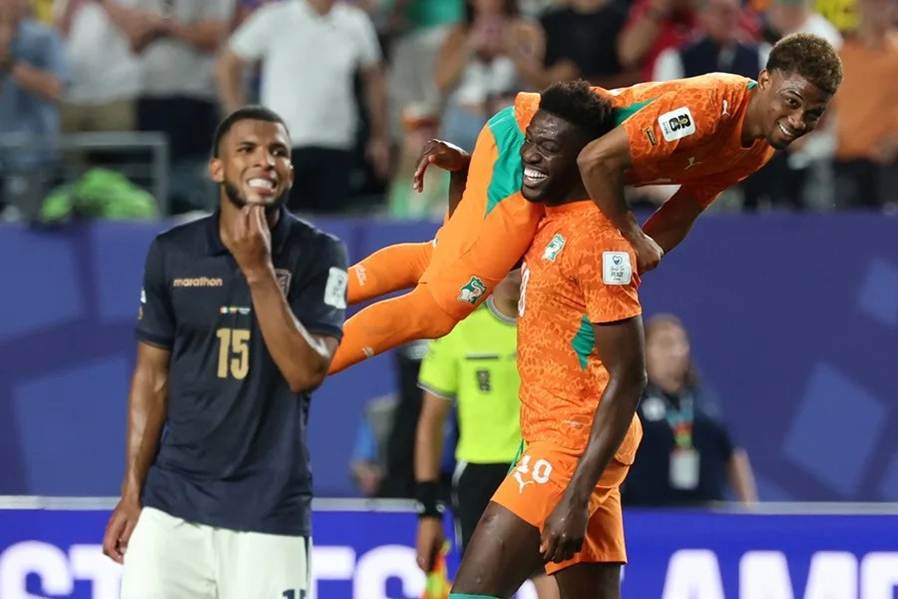
It was funny. It was tender. It was immigrant soccer theater in miniature, a South American country planting color on one of the United States’ most cinematic monuments. Then Ecuador lost.
According to an original report by The Athletic’s Ben Burrows, Brooks Peck and Matt Slater, Pennsylvania’s tourism account treated the moment as the newest entry in what it called “The Rocky Statue Curse.” The warning was half joke, half civic folklore, and fully Philadelphia. Dress Rocky in your team’s colors, the lore says, and doom may follow.
The statue itself was built in 1982 for the third Rocky film and was later donated to the city by Sylvester Stallone. What began as a movie prop became a shrine to bruised aspiration. Visitors jog the steps, raise their arms, take pictures, and borrow a little myth from a fictional boxer who turned pain into public victory. Sports fans, naturally, have tried to borrow more.
They have not always been rewarded. The Athletic report notes that Minnesota Vikings fans did it in 2018. The New England Patriots did it before Super Bowl LII that same year. San Francisco 49ers fans followed in 2023. All watched their teams lose.
Ecuador merely brought fútbol into an older American curse.
Philadelphia’s Joke Carries Latin American Weight
The Visit Pennsylvania message after Ecuador’s defeat was written like a neighborly advisory with a smirk. It welcomed upcoming delegations from Brazil, Haiti, France, Iraq, Curaçao, Croatia, and Ghana, then explained that “Rocky does not need your kit,” crediting the familiar Philadelphia pattern of jersey, statue, loss. The Athletic credited Burrows, Peck, and Slater for the original reporting, quotes, and interviews that captured how quickly the gag traveled.
But the joke lands differently for Latin America.
In much of the region, soccer is never just soccer. It is an argument about class, nation, race, exile, and memory. A jersey can carry a village, a barrio, a remittance economy, a family separated by borders. Ecuador’s yellow shirt in Philadelphia was not only a prop. It was a passport. It said, “We are here; we made the trip; we brought the country with us.”
That is why the Rocky gesture had such power before the loss. Latin American fans understand statues. They know plazas where bronze generals point toward futures that never arrived, where independence heroes become backdrops for protest, celebration, mourning, and campaign rallies. To dress Rocky was to fold Philadelphia’s working-class mythology into Latin America’s own tradition of public symbolism.
The curse is comic, yes. But comedy is often where serious truths sneak in. Latin American teams arrive at global tournaments carrying the burden of being measured against Europe’s money and infrastructure, against the giant shadows of Brazil and Argentina, and against domestic federations often marked by instability. A harmless superstition becomes a language for a familiar feeling: the margins are never allowed to relax.
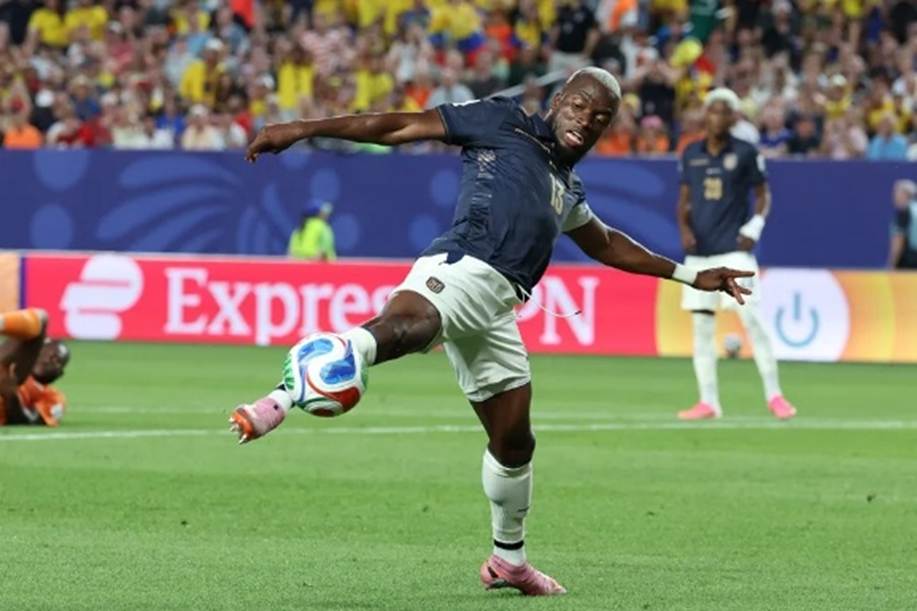
Ecuador’s defeat will be explained by tactics, not fabric on a statue. Still, supporters live in the emotional economy of signs. A missed chance, a bad omen, a wrong song, a late flag raised by the assistant referee, these become part of the afterlife of a match. Data may tell one story. Fans live another.
The Numbers Behind the Myth
The Rocky curse works because its sample is small, vivid, and perfectly shareable. Four examples, if counting Ecuador alongside the Vikings, Patriots, and 49ers, make for a 100 percent curse rate in the popular imagination. That is not statistical proof. It is folklore with a winning percentage.
The data, thin as it is, reveals something else. Losing after touching a landmark does not create causation, but repeated public failure creates a narrative. Sports culture runs on narrative compression. Thousands of passes, substitutions, flights, training sessions, and budget decisions collapse into one image: a jersey on Rocky, then silence after the final whistle.
For Latin American soccer, that compression is especially tempting because the sport already carries structural imbalance. Wealthier federations can spend more on preparation, analytics, facilities, and player welfare. Many Latin American nations depend on talent pipelines that are brilliant yet uneven, exporting young players early while domestic leagues struggle with financial volatility. A curse is easier to discuss than the machinery beneath defeat.
There is also the economics of hosting. Philadelphia’s World Cup matches will draw visitors, boost hotel bookings, increase restaurant spending, and attract international attention. Latin American fans are central to that spectacle, not merely decorative. Their songs fill the city. Their flags animate the television shots. Their money moves through local businesses. Yet the warning from Visit Pennsylvania also shows how host cities transform visiting passion into local content.
That does not make the post cynical. It makes it modern. Tourism boards now speak in memes because global sport is consumed through clips before it is processed through analysis. A superstition becomes destination branding. A loss becomes engagement. Rocky, who once represented a battered underdog, becomes a municipal influencer.
And Latin American fans know how to read that contradiction. They have long watched their cultures packaged abroad, sometimes lovingly, sometimes lazily. Here, at least, the exchange feels reciprocal. Ecuador dressed the statue. Philadelphia answered in character. The city did not mock the fans for caring too much. It warned them because Philadelphia cares too much, too.
Rocky Should Stay Neutral
Lincoln Financial Field next hosts Brazil against Haiti, and the message could not be clearer. Bring the drums, the flags, the painted faces, the prayers to saints and grandmothers. Leave Rocky alone.
That advice is practical for Brazil, whose supporters carry the heaviest mythology in the hemisphere. Brazil does not need another omen. Every tournament already comes with 1950, 1970, 1982, 2002, and 2014 whispering in the background. It is practical for Haiti, too, a nation whose soccer joy often travels beside harsher histories of migration, disaster, debt, and political abandonment. Haiti’s colors do not need to borrow luck from a fictional fighter.
The larger lesson is not that Latin American fans should fear Philadelphia’s statue. Rituals matter because people matter. Fans cross borders to make themselves visible. They dress monuments because they want the host city to know they have arrived, not as consumers alone, but as believers.
That is the human beauty inside this odd little curse. A bronze boxer outside a museum becomes a meeting place for nations. A yellow jersey becomes a story. A warning from Pennsylvania becomes a wink across languages.
Rocky belongs to Philadelphia. The World Cup belongs, briefly and intensely, to everyone. But for Latin American fans, the safest move may be the oldest one: sing louder, hug tighter, suffer together, and let the statue stand bare.
*This article is adapted from a report published by The Athletic titled “Pennsylvania warns World Cup teams not to fall victim to Rocky Statue curse” by Ben Burrows, Brooks Peck, and Matt Slater. Find the original report here: Pennsylvania warns World Cup teams not to fall victim to Rocky Statue curse – The Athletic
Also Read: Latin American Fans Chase World Cup Dreams Past ICE Shadows