Karim López Carries Mexico into the NBA Draft’s First Round
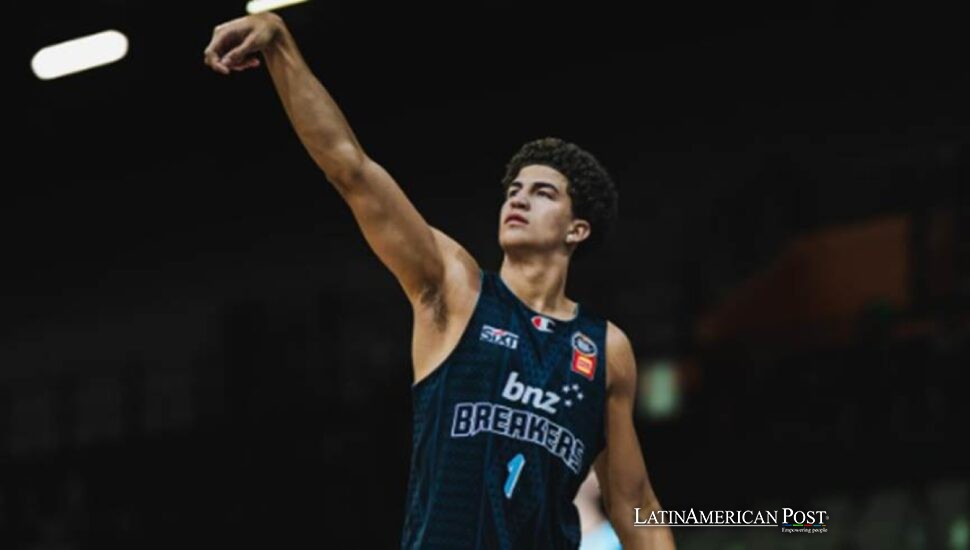
Karim López’s selection at No. 21 made him the first Mexican-born NBA first-round pick. Still, his journey through Spain and New Zealand reveals talent migration, basketball infrastructure, and what a teenager’s breakthrough can, and cannot, change back home in Mexico.
A Flag Inside the Jacket
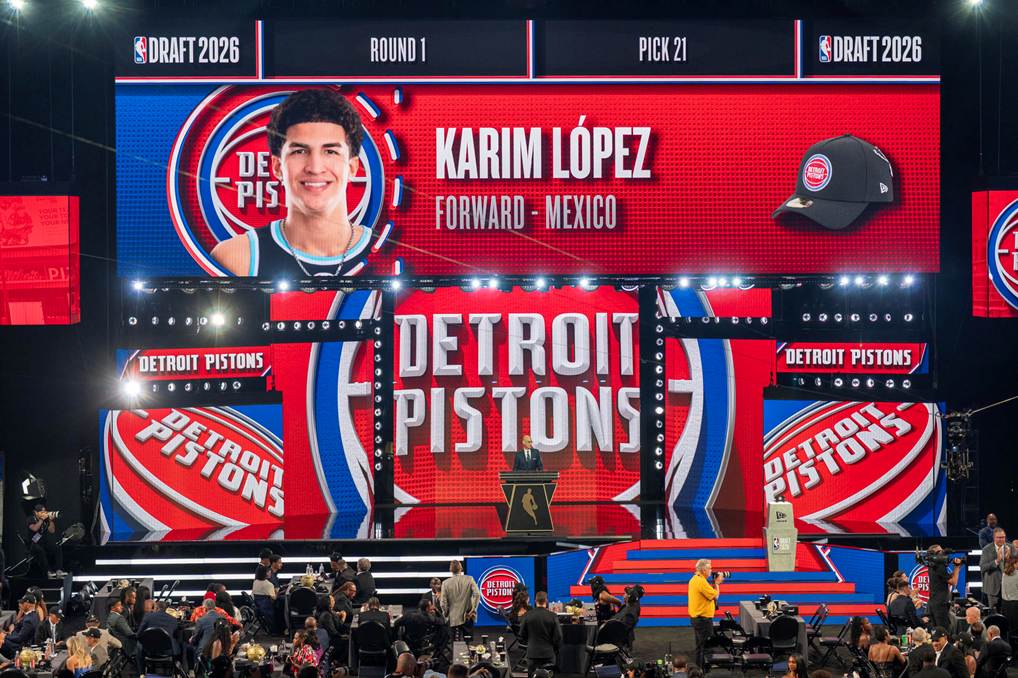
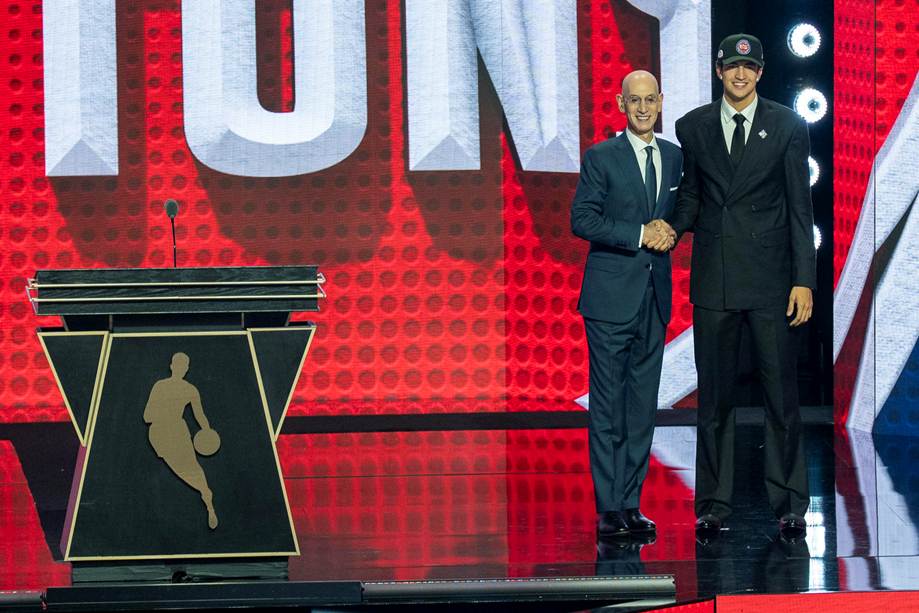
Under the lights in Brooklyn, Karim López opened his suit jacket and carried home close to his chest. The lining showed the Mexican flag and the words “100% Jesus.” Then came draft-night confusion: Detroit called his name with the 21st pick, placed a Pistons cap on him, and sent his rights to Memphis. By morning, the NBA listed the 19-year-old forward as a Grizzly. The hat was temporary. The history was not.
López became the first player born in Mexico selected in the first round of the NBA draft and only the second Mexican-born draftee. Eduardo Nájera, taken 38th in 2000, had stood alone for 26 years. That gap is the real statistic behind the celebration. Mexico has produced NBA players and passionate basketball regions. Yet the league’s main entrance has rarely opened to prospects developed in Mexico.
His beginnings were in Hermosillo, Sonora, where his father, Jesús Hiram López, had played for Mexico’s national team. Karim tried soccer and taekwondo before taking basketball seriously around age 12. He practiced against boys several years older. At 14, an age when many children still need permission to cross town, he left his family for Joventut Badalona in Spain.
There is courage in that departure, and a structural warning. Latin American sports stories celebrate the child who leaves as proof that anything is possible. Less often do they ask why the possibility required leaving. Spain offered an academic culture and professional habits. New Zealand later offered minutes against grown men through the Australian NBL’s Next Stars program. López’s route began in Mexico, but the crucial finishing work happened elsewhere.
The Numbers Behind the Passport
The appeal was not built on symbolism alone. With the New Zealand Breakers last season, López averaged 11.9 points, 6.1 rebounds, 1.9 assists, 1.2 steals, and one block in 25.6 minutes while shooting 49 percent. Scaled to 36 minutes, that is about 16.7 points and 8.6 rebounds. He committed only 1.5 turnovers per game, which is useful for a young forward learning the pace of professional basketball.
Those numbers do not describe a teenage scorer demanding every possession. They describe a broad contribution. López rebounded, defended, moved the ball, and survived physically in an adult league. His 358 points were the most by a draft-eligible player in NBL Next Stars history, surpassing totals from future lottery selections LaMelo Ball, Josh Giddey, and Alex Sarr. That does not guarantee equal success. It places his production in serious company.
There were flashes of a higher ceiling. In January, he scored a career-best 32 points against Melbourne United, including 14 in the final five minutes. In the Ignite Cup final, he had 12 points, eight rebounds, five assists, and two steals. López gave scouts enough evidence to imagine a versatile two-way forward, not a ceremonial international pick.
Memphis’s maneuver adds another layer. The Grizzlies moved from No. 16 to No. 21 through two trades and collected five future second-round selections before taking López. They believed he might remain available while turning one pick into a larger asset package. Still, No. 21 is not a promise of stardom. It is an invitation to develop, with a spotlight and no guaranteed rotation.
López has carried unusual expectations for years. At the 2023 FIBA Under-16 Americas Championship, he averaged 20.5 points and 12.2 rebounds, ranking first and second in those categories. He scored 23 against the United States, then joined Mexico’s senior national team as a teenager. The production showed separation from his age group. The travel showed how quickly Mexico needed him to grow up.
One Pick Is Not a Pipeline
Mexico should enjoy the moment without confusing an exception for a system. López’s story can inspire children, attract sponsorships, and persuade families that basketball deserves time usually reserved for soccer. It can also become a convenient fairy tale, one that places all responsibility on gifted children to escape weak structures.
A move to Europe at 14 requires more than talent. It requires scouting connections, paperwork, family trust, emotional endurance, and adults able to navigate an international marketplace. Thousands of young players can run, rebound, and dream. Far fewer reach the doorway López found. A functioning development system narrows that gap rather than making migration the only credible test.
The next step belongs partly to basketball officials, clubs, schools, and investors in Mexico. They must build coaching, competition, nutrition, education, and transparent pathways sturdy enough that a prospect need not become an exile to become visible. The goal is not to prevent ambitious teenagers from leaving. It is to make a choice rather than a rescue.
López has said he hopes to reach young people in Mexico and show that origin need not determine destiny. That message will travel. Yet his journey carries a sharper lesson. Talent was present in Hermosillo. Opportunity had to be assembled across three continents.
Now Memphis gets the player, Mexico gets the milestone, and a generation gets a new image of what is possible. Karim López is not proof that Mexico’s basketball pipeline works. He is proof of what Mexican talent can do when it finally finds one.
Also Read: Dominican and Puerto Rican Stars Bring New York Knicks Glory