Guatemala’s Army Courts Washington While Cartels Wait at the Border
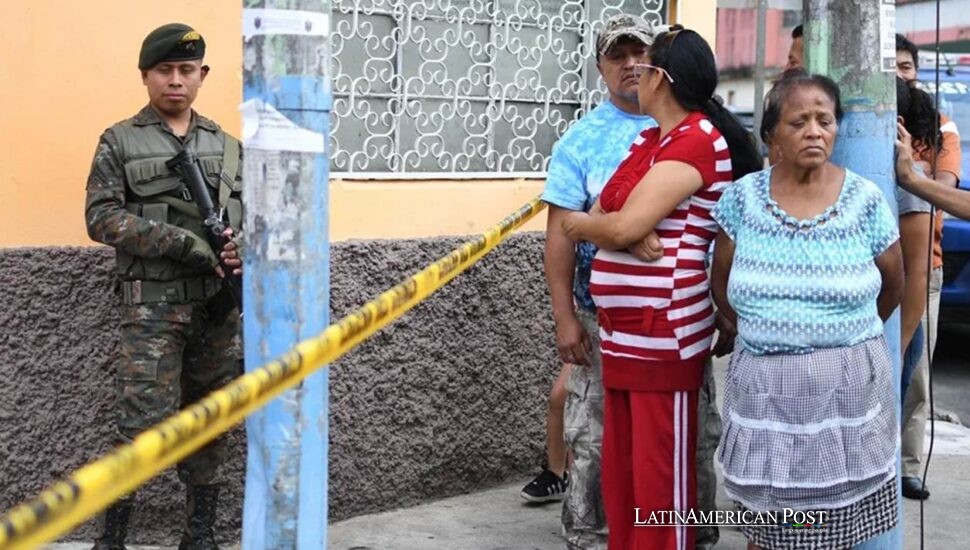
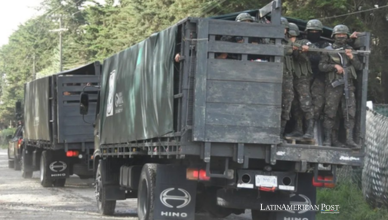
Guatemala's military says it is rebuilding trust with Washington, Europe, and its own citizens while trying to seal its ranks from organized crime, a dangerous task in a country cartels have long treated as a corridor north toward the United States.
A Certification With a Long Shadow
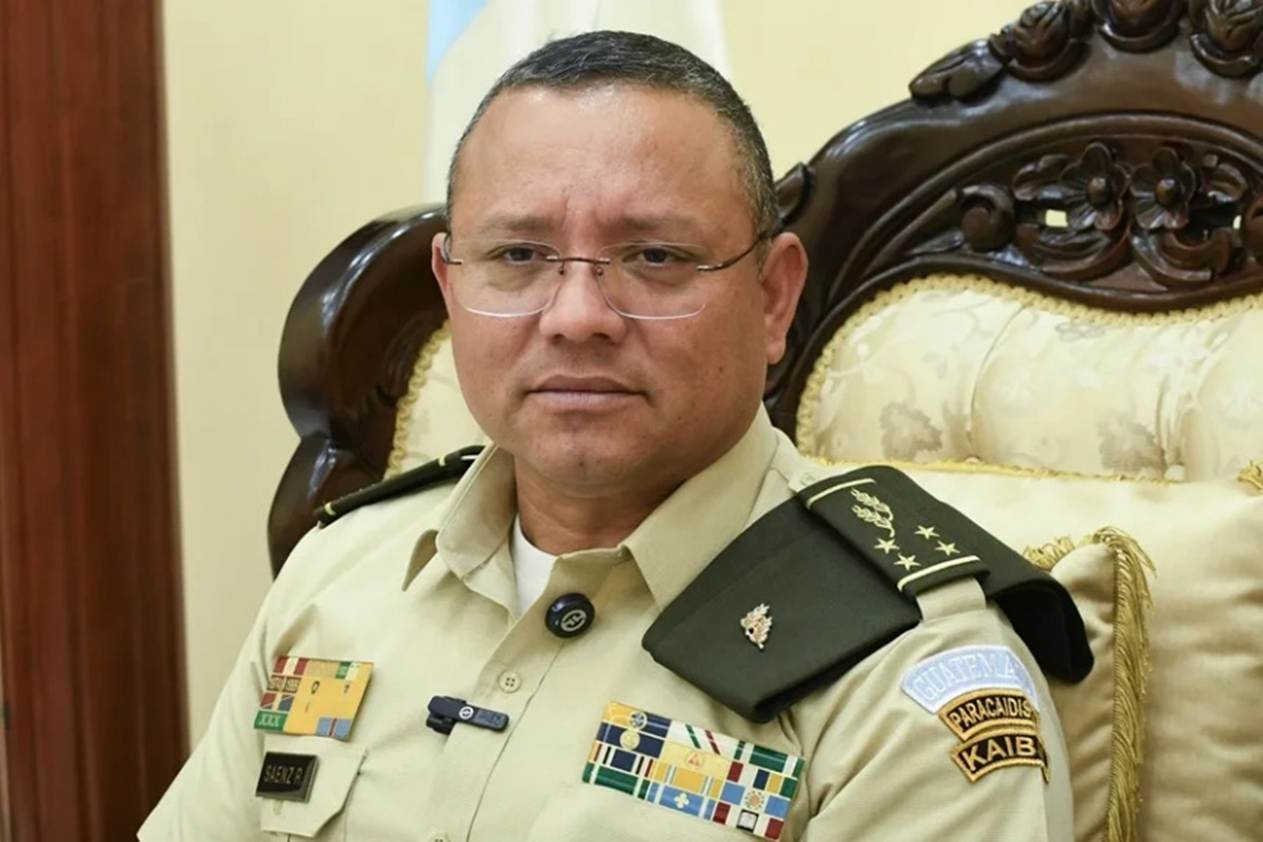
In Guatemala, military reform never arrives on clean ground. It walks across old fear, old power, old memories of uniforms at checkpoints and families learning to lower their voices. That is why Defense Minister Henry Sáenz Ramos's message, delivered in an interview with EFE, carries more weight than a routine institutional update. He is not only saying the Guatemalan Army wants better weapons, better training, and better international partnerships. He is saying he wants to be trusted again.
"Lately, thanks to the improvement in the relationship with the United States, the Army is increasingly professional, fulfilling human rights, respecting the population, watching over democracy," Sáenz Ramos told EFE. He linked that shift to Washington's decision in March to lift a military embargo that had blocked Guatemala's Army from buying arms because of concerns tied to human rights.
For the minister, the change is evidence of a new chapter. For Guatemala, it is something more complicated. A certification from the United States may reopen the door to military procurement, training, and diplomatic prestige. Still, it also forces a harder question: can an institution shaped by decades of internal conflict, political suspicion, and criminal pressure truly transform itself from within?
Sáenz Ramos argues that it can. He told EFE that the values now practiced inside the Army were what allowed the United States to certify the institution again. The phrase sounds bureaucratic, but the stakes are not. In Guatemala, certification is not just a stamp on paper. It is a wager that the Army can become professional enough to confront organized crime without becoming another channel for it.
The Corridor Nobody Can Ignore
The reason Washington matters so much is geography. Guatemala sits on one of the most sensitive routes in the hemisphere, between South American drug production and the U.S. market. Its borders, coasts, jungles, and airstrips have long tempted trafficking networks looking for movement, storage, rest, and protection.
Sáenz Ramos described the relationship with the United States as essential to maintaining the integrity of the armed forces. According to him, U.S. support helps verify, through scientific testing, whether officers, specialists, or troops have links to organized crime. That matters because, over recent decades, judicial and police records have linked or prosecuted more than 100 members of the military in relation to criminal structures.
This is where Guatemala's reform story becomes more than a defense ministry narrative. Organized crime in Latin America rarely conquers the state by dramatic invasion. More often, it rents silence. It buys small doors. It studies payrolls, border posts, airstrips, fuel routes, municipal officials, and tired institutions. A soldier does not have to command a cartel to be useful to one. Sometimes he only has to look away.
The minister's emphasis on vetting shows an awareness of that danger. But it also reveals the depth of the vulnerability. If Guatemala needs outside technology and U.S. verification to ensure that units assigned to fight criminal threats are not connected to those same threats, the problem is not theoretical. It is structural.
There is also a geopolitical message here. Guatemala is seeking a place inside a broader Western security architecture. Sáenz Ramos said the new stage opens the door to closer ties with European powers such as France, Spain, and Germany, including training agreements under NATO protocols. He also highlighted Guatemala's move from observer to active participant in international exercises, including the upcoming naval exercise "Martinique" with the French Navy.
That may strengthen Guatemala's capacity to respond to transnational threats. It may also serve as a public signal that the country wants to be seen not as a weak link, but as a partner, in a region where criminal networks operate across borders faster than states often cooperate, and that symbolism matters.
Petén, Borders, and the Unfinished Test
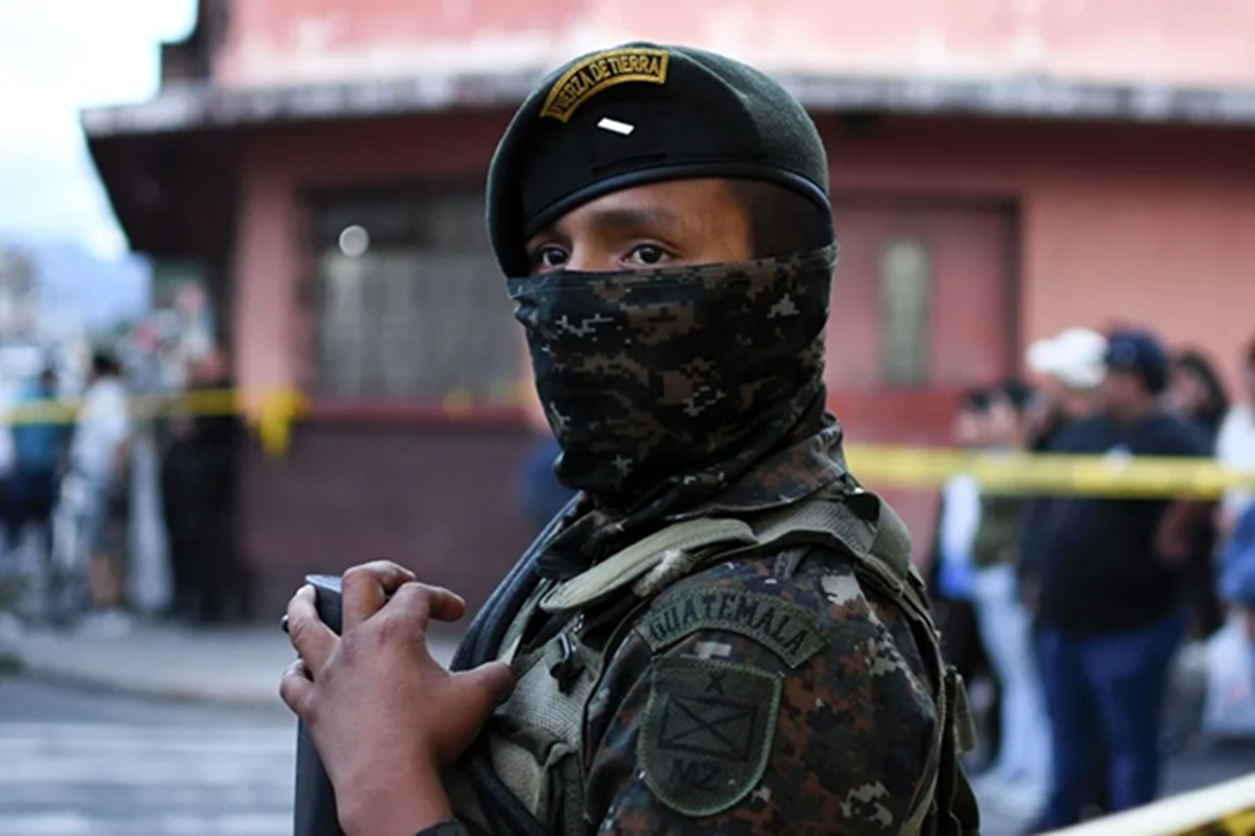
The most concrete example cited by Sáenz Ramos is Petén. This northern department contains the Maya Biosphere Reserve, the largest protected area in Guatemala and Central America, covering more than 21,600 square kilometers. After the exit of oil company Perenco, Guatemala installed a military unit in the area to combat drug trafficking and protect the reserve.
The minister told EFE that the presence helped contain illegal air traffic. He said Guatemala has gone more than a year without illegal planes in national territory, specifically in Petén, and that during the current government's more than two years in office, there has been only one landing, near the adjacency zone with Belize. He called the unit placed in the former Perenco facilities a relatively positive success.
Petén is more than a jungle on a map. It is ancient Maya memory, protected forest, rural poverty, environmental pressure, and criminal opportunity layered together. A clandestine airstrip is never only an aviation problem. It is a symptom of abandoned territory. When the state arrives late, others arrive first.
Still, military presence brings its own tension. Latin America knows this story well. Soldiers are often sent where institutions are weakest, but security alone cannot repair what corruption, poverty, impunity, and distance have already broken. If the Army holds territory without courts, schools, roads, prosecutors, and a trusted local government in its wake, success can remain fragile.
Sáenz Ramos also acknowledged a persistent threat along the northwestern border departments of Huehuetenango and San Marcos, where Mexican cartels remain a latent danger. His distinction was careful. Guatemala, he said, is not currently experiencing the kind of cartel war seen in Mexico. Criminal groups do not treat Guatemalan territory as their main battlefield, but rather as a place of rest and reorganization.
That distinction is important, but not comforting. A rest area for transnational crime is still part of the machinery. It means money moves. People move. Weapons may move. Influence moves quietly. And the quieter phase of criminal power can be the most dangerous because it does not always look like war.
Guatemala's Army is now presenting itself as more professional, more internationally connected, and more alert to infiltration. That may be true. It may also be the beginning of a longer exam. The measure will not be only whether Washington certifies it, or whether European partners train it, or whether illegal flights drop for a year in Petén.
The deeper test is whether Guatemalans themselves can believe that the uniform now protects democracy more than it threatens it. In a country where trust has become expensive, that certification cannot come from abroad alone. It has to be earned on the ground, border by border, file by file, soldier by soldier.
Also Read: Chile Tracks Deadly Hantavirus Trail as Cruise Mystery Deepens Again