Venezuela Quakes Turn Rubble Into a Test of Regional Mercy
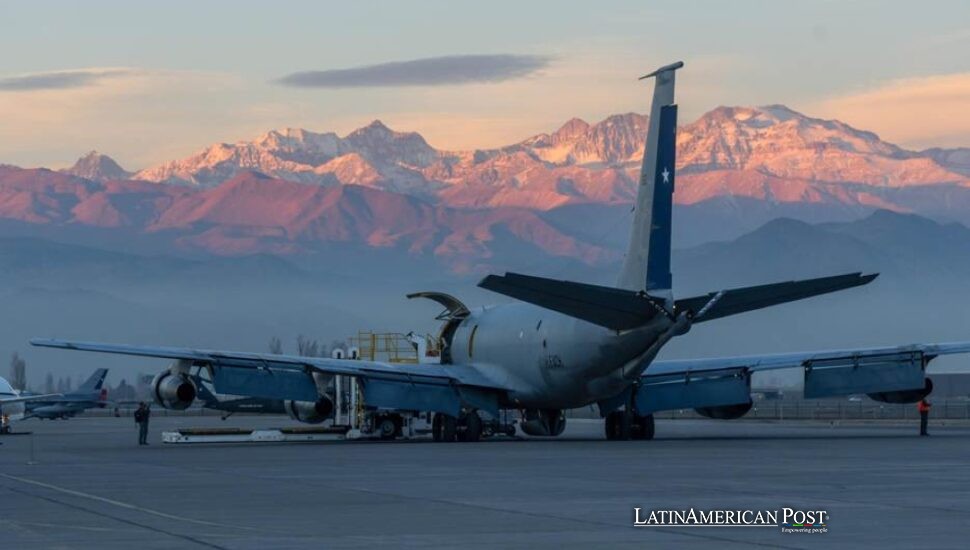
After twin earthquakes killed at least 235 people and injured 4,300, Venezuela's shattered coast became a rescue map for the hemisphere, exposing fragile services, diaspora anguish and a rare diplomatic opening in a region too used to mourning disasters together.
The Country Dug by Hand
In northern Venezuela, the first rescuers were not always wearing uniforms. They were neighbors with dust in their hair, cousins shouting names into broken stairwells, strangers passing water bottles under the gray breath of concrete. EFE reported families posting photographs and phone numbers online with the same desperate grammar: "We are looking for them,” "We know nothing about him,” "Help us find them."
The numbers kept changing because the ground had changed first. By late Thursday, officials put the toll at about 235 dead and at least 4,300 injured after two earthquakes, magnitudes 7.2 and 7.5, struck off Venezuela's Caribbean coast just 39 seconds apart. Acting President Delcy Rodríguez declared La Guaira a natural disaster zone, and authorities counted at least 30 aftershocks as search crews moved through collapsed buildings.
The scale is not only in the deaths, though each one belongs to a family that will measure time differently now. The International Organization for Migration said as many as 6.76 million people in Venezuela could be affected, including roughly 2 million in Caracas alone. That means the disaster footprint reaches far beyond the rubble. It touches water, transport, hospitals, schools, phones, remittances, and the ordinary economics of survival.
A crude ratio tells part of the story. With 4,300 injuries against 235 deaths, Venezuela is seeing more than 18 injured people for every confirmed fatality. That is a rescue challenge, but also a health-system challenge. Survivors need surgery, antibiotics, dialysis, trauma care, safe shelter, and time. Yet U.N. agencies reported that about 20 emergency hospitals in La Guaira, Miranda, Aragua, Carabobo, Falcón, Zulia, Yaracuy, Lara, and Caracas had suffered damage.
This is the cruelty of a major earthquake in a strained country. The injured do not arrive at the hospital after the crisis. The hospital is part of the crisis.
A Doublet, Then a Blackout
Scientists call the sequence a seismic doublet, a rare event in which two powerful quakes strike close together in time and place but remain distinct ruptures. The explanation matters because it reveals why panic felt so endless. A first blow. A pause too short for anyone to understand. Then the stronger second movement.
But geology alone does not create catastrophe. Buildings do. Institutions do. Poverty does. The official notes describe collapsed structures, suspended metro and rail service, school closures, fuel disruptions, internet blackouts, and the closure of Maiquetía's Simón Bolívar International Airport, the country's main international gateway. Iberia, Air Europa, and Plus Ultra canceled flights between Madrid and Caracas after the airport shut down.
For Venezuelans abroad, the communications collapse became another disaster layered atop the first. A missed call from La Guaira or Caracas can carry more terror than a headline. Venezuela is a country already stretched across borders, with families split between Bogotá, Lima, Madrid, Miami, Quito, and Santiago. When the phone network fails, exile loses its last bridge.
The timing deepened the exposure. The quakes struck Wednesday evening during a national holiday, when more people were likely at home. That fact may help explain the high number of missing people reported in residential areas. It also sharpens the political question that follows every Latin American disaster: how much of the death toll was due to nature, and how much to neglect?
La Guaira's vulnerability is geographical and historical. The coastal state sits between the Caribbean and the mountains, close to Caracas and tied to national transport, tourism, and commerce. When it breaks, the capital feels it quickly. When the capital breaks, the region feels it too. In a centralized oil state, damage near Caracas is never just local damage. It becomes a test of national command.
Rodríguez announced a $200 million reconstruction fund. The figure sounds large until measured against 6.76 million potentially affected people. Spread evenly, it would equal less than $30 per affected person. Of course, reconstruction money is not distributed that way, and should not be. But the math shows the gap between symbolic announcement and structural repair.
Aid Crossed Old Borders
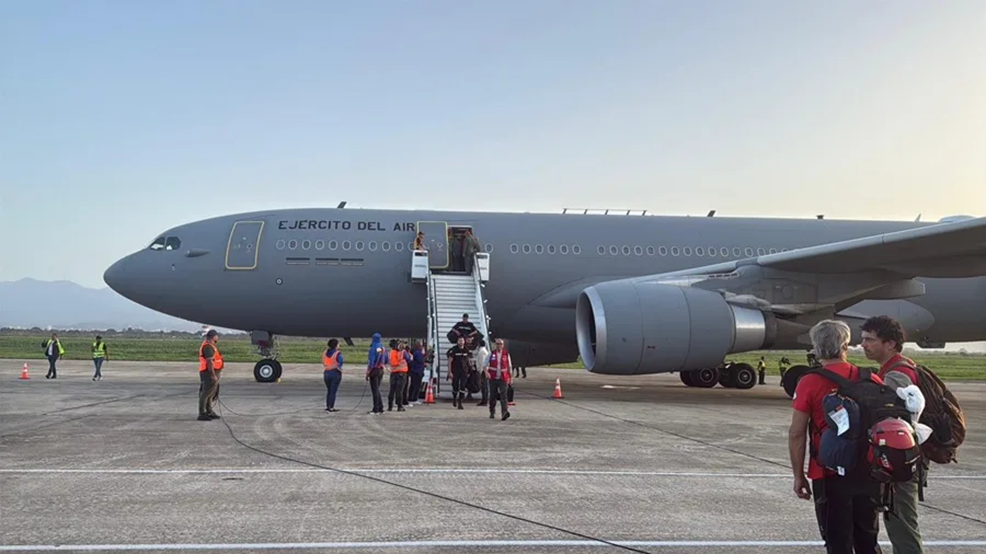
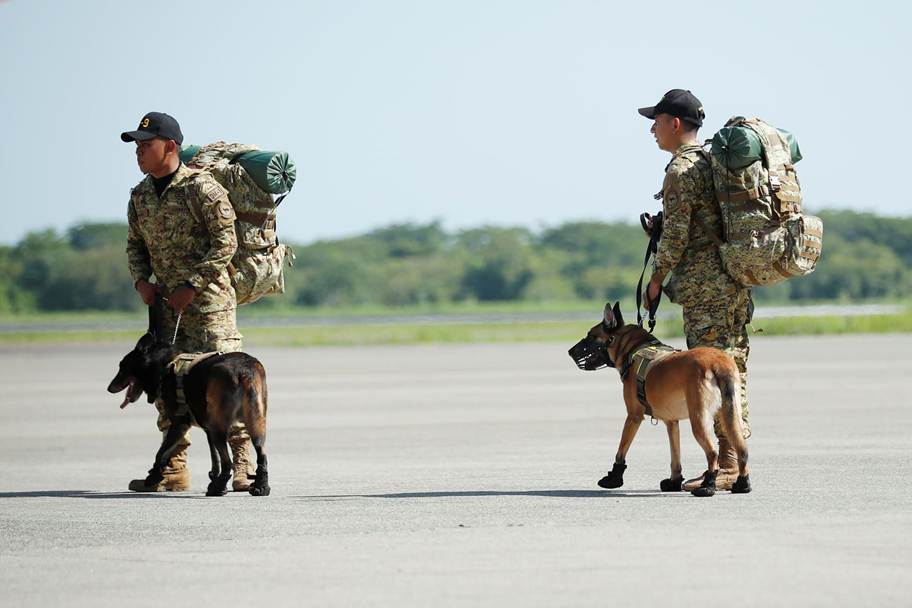
The hemisphere moved fast because it recognized the language of the wound. Mexico and Chile, countries with deep seismic memory, announced the formation of specialized teams. Mexico sent military and health personnel, canine units, tools, and medical supplies. Chile sent dozens of specialists. Brazil prepared a military cargo mission with firefighters, civil defense technicians, telecommunications experts, and materials for a field hospital.
The United States pledged $150 million for humanitarian assistance, including funds for OCHA and organizations on the ground. It deployed search-and-rescue teams from Fairfax County and Los Angeles. France sent 85 rescuers. Spain landed with military emergency personnel, engineers, dogs, and first-aid supplies. The Netherlands reserved up to 2 million euros for its mission. India flew more than 35 tons of relief supplies. The IFRC launched a $61 million emergency appeal and sent its first 17 tons of supplies from Panama.
That inventory matters. So does its politics. Washington and Caracas have spent years locked in hostility, sanctions, accusations, and broken trust. Yet disaster created a narrow corridor where rescuers could cross before diplomats finished arguing. Rodríguez thanked U.S. authorities. Canada, which has significant differences with Caracas, said the crisis revived the need to reconsider the absence of diplomatic representation. China and Russia, Venezuela's strategic allies, also offered support.
Latin America should study this moment without romanticizing it. Solidarity is real, but it is also uneven. Countries can mobilize dogs, drones, firefighters, and field hospitals in 48 hours. Yet, the region still struggles to fund prevention before bodies are trapped. It honors rescue more than retrofitting. It celebrates courage after underinvesting in safer housing, redundant communications, and public trust.
The United Nations said 16 countries had sent or were sending more than 1,000 search-and-rescue workers. That is a powerful image: the continent and the world bending toward one broken coast. But if Venezuela's disaster is to mean something larger, the lesson cannot end with arrival ceremonies at airports.
It must reach building codes, hospital resilience, regional disaster pacts, and transparent recovery spending. It must include internet access during emergencies, because information is not a luxury when families are searching for the missing. It must include migrants, because the Venezuelan nation no longer lives only inside Venezuela.
The rubble in La Guaira is Venezuelan. The anxiety is continental. The aid is global. The question now is whether Latin America can turn its practiced mourning into practiced preparation, before the next siren begins.
Also Read: Malvinas Return to the OAS Table Without Moving an Inch