Brazil Draws a Red Line Against Washington’s Crime War Creep
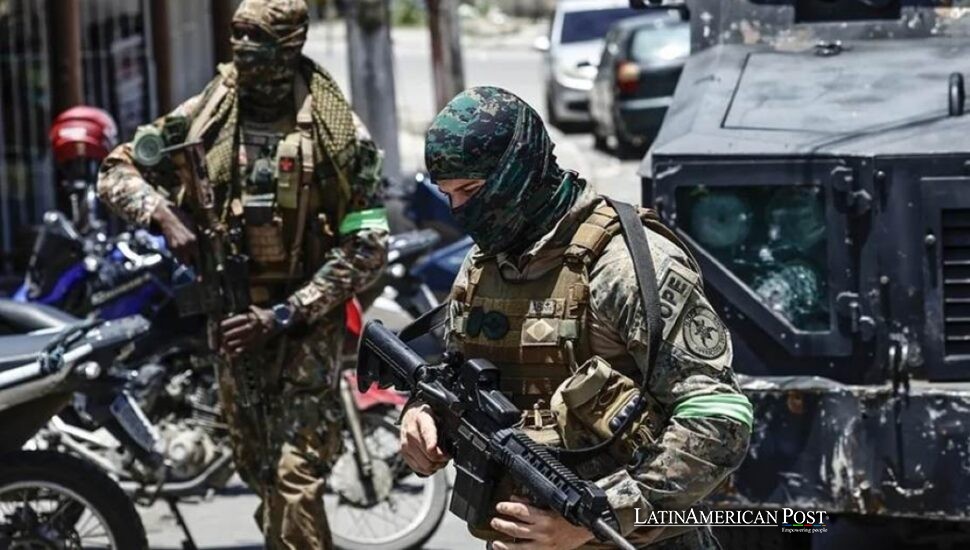
Brazil’s warning over U.S. terrorism labels for PCC and Comando Vermelho is not paranoia. It is a sovereignty argument, a regional alarm bell, and a reminder that Latin America knows what happens when Washington again discovers a security pretext nearby.
Sovereignty Is the Starting Point
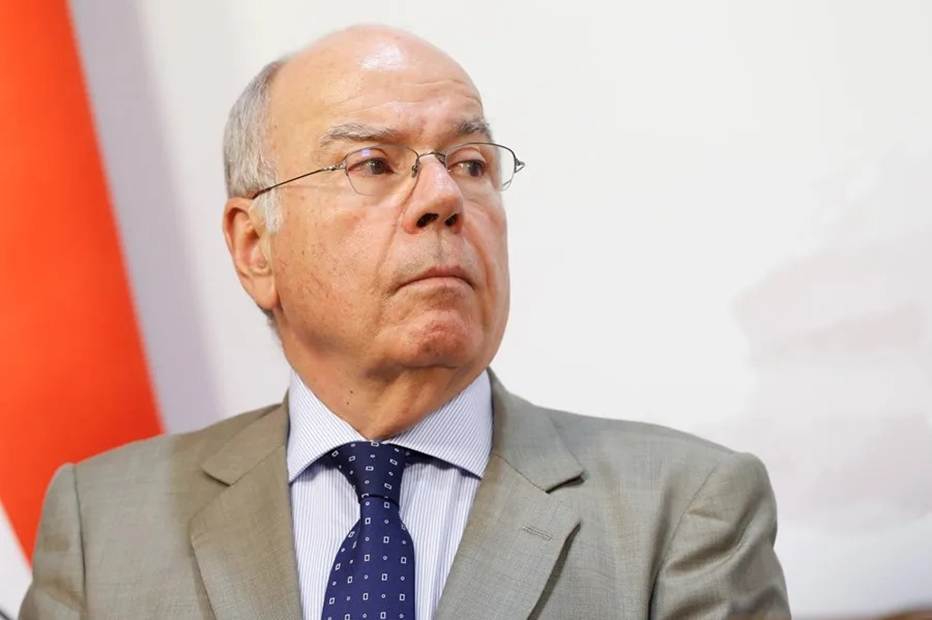
There is a certain muscle memory in Latin America when Washington changes the vocabulary of force. A gang becomes a terrorist group. A policing problem becomes a national security threat. A borderless criminal economy invites action beyond borders. That is why Brazil is right to worry, and why the document signed by Foreign Minister Mauro Vieira should be read less as diplomatic fretting than as a sober defense of the most basic rule in the hemisphere: no country gets to turn another country’s territory into a stage for unilateral power.
The Brazilian government, in a response sent on July 1 to a committee of the Chamber of Deputies, expressed concern that the United States could use its recent decision to classify Primeiro Comando da Capital and Comando Vermelho as terrorist organizations as a pretext for a future military intervention on Brazilian soil. That is a grave statement, but not an exaggerated one. The point is not that U.S. Marines are packing bags for Rio or São Paulo tomorrow morning. The point is that legal classifications create tools, and tools create temptations.
Vieira’s text says the U.S. designation creates “concrete risks” for Brazil’s sovereignty. It warns that American counterterrorism law allows broader unilateral and extraterritorial measures against Brazilian people, companies, and organizations. It also notes the possibility, however remote, of U.S. military force in Brazilian territory. In the language of diplomacy, that is not shouting. It is a fire alarm behind glass.
Brazil is not defending PCC or Comando Vermelho. It is defending jurisdiction. That distinction matters. These are brutal criminal organizations with deep roots in prisons, neighborhoods, trafficking routes, illegal markets, and political corruption. They have terrorized communities in the ordinary sense of the word. But under Brazilian law, they remain organized crime groups, not terrorist organizations. That legal line is not soft. It is a guardrail.
The Word Terrorism Carries Baggage
Latin America knows the danger of elastic categories. During the Cold War, “communism” became a label stretched wide enough to justify coups, surveillance, torture and the training of security forces that later turned on their own people. In the drug war, “narcotrafficking” became the vocabulary through which Washington projected influence into Colombia, Mexico, Central America and the Caribbean, often with real tactical gains but enormous social costs. Now “terrorism” risks becoming the next suitcase word, heavy with law, light on restraint.
The U.S. decision to list PCC and Comando Vermelho as foreign terrorist organizations may appear, from Washington, like a clever escalation. It allows tougher action against assets, networks, financiers, and collaborators. It signals resolve. It fits the political theater of being “tough on crime.” But in Latin America, words issued from Washington do not stay in Washington. They travel through banks, courts, airports, police intelligence systems, sanctions lists, and migration files.
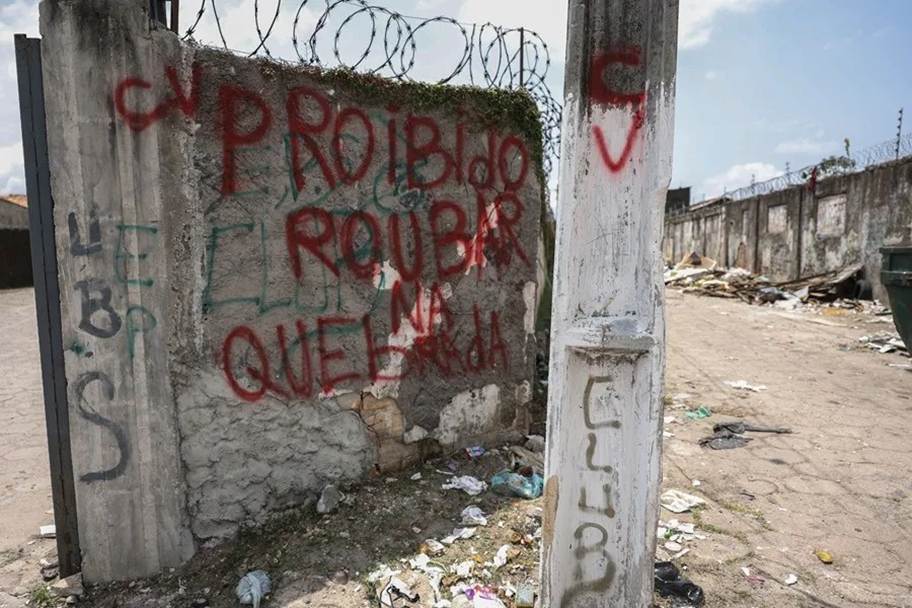
That is precisely what Vieira’s document warns. The measures could affect Brazilian citizens on financial, migration, and criminal grounds, with broad discretion, as U.S. antiterrorism law uses broad terms. Imagine a favela resident, a small business owner, a transport worker, a remittance sender, or a local association caught in a web of suspicion because a gang taxes territory, coerces commerce, or moves money through informal channels. In Brazil’s urban peripheries, criminal governance is often not a choice people endorse. It is a condition they endure.
A serious policy must understand that difference. The PCC and Comando Vermelho are not foreign invaders. They are products of Brazilian history: overcrowded prisons, police violence, inequality, drug prohibition, absent services, racialized urban exclusion, and illicit economies that thrive where the state appears mostly with rifles. To call them terrorist groups may satisfy Washington’s legal appetite, but it risks flattening the social reality that makes them durable.
Brazil’s position is therefore not semantic vanity. It is an argument for precision. Organized crime must be fought with intelligence, financial investigation, prison reform, arms control, anti-corruption efforts, local development, and cross-border cooperation. Terrorism frameworks, by contrast, often expand secrecy, militarization, and exceptional powers. Latin America has paid dearly for exceptional powers.
Cooperation Without a Blank Check
The strongest part of Brazil’s stance is its insistence that the fight against organized crime proceed through international cooperation rather than unilateral muscle. The document signed by Vieira defends information sharing, police and judicial coordination, and existing international agreements. That is not anti-Americanism. It is the only sustainable way to confront criminal networks that operate across borders while preserving democratic legitimacy inside them.
Washington has a legitimate interest in tracking money laundering, weapons flows, and drug routes tied to Brazilian factions. Brazil has a legitimate interest in U.S. cooperation, especially because American demand, firearms markets, and financial systems are part of the wider criminal ecosystem. But cooperation is not submission. A partnership between sovereign states cannot begin with one side rewriting the other’s domestic legal reality and then reserving the right to act unilaterally.
This matters for the region. If the United States can designate Brazilian gangs as terrorists and use that designation to justify extraterritorial pressure, why not Mexican cartels, Ecuadorian prison gangs, Haitian armed groups, or Central American criminal networks under similar logic? Some already fit Washington’s political imagination. The danger is a hemisphere in which domestic security failures invite external intervention, and in which weaker states face the precedent first while larger states pretend they are immune.
Brazil is large enough to say no. That gives it geopolitical weight. As Latin America’s biggest country, with a long tradition of nonintervention in foreign policy, Brazil is not merely protecting itself. It is defending a regional norm at a time when multipolar disorder, migration panic, fentanyl politics and election-year security rhetoric can make sovereignty look negotiable.
And sovereignty, in this case, is not a slogan waved by presidents who dislike criticism. It is the practical condition for accountability. If a Brazilian police operation kills civilians, Brazilians must be able to investigate it. If Brazilian prosecutors target gang finances, Brazilian courts must test the evidence. If foreign intelligence is used, Brazilian institutions must know how to use it. Once unilateral foreign action enters the picture, accountability slips into fog.
The PCC and Comando Vermelho are enemies of Brazilian democracy because they replace public authority with armed coercion. But the remedy cannot be another form of authority that bypasses Brazilian consent. Vieira’s warning is valuable because it names the risk before the crisis arrives. It says, in effect, that Brazil will cooperate, but it will not outsource its sovereignty.
That is the right stance. It is also the Latin American stance on memory. The region does not need lectures about crime from afar. It needs serious partnerships that understand history, law, and the neighborhoods where policy lands. In Brazil, the red line is not drawn for criminals. It is drawn for the republic.