Brazilian Legend Ronaldinho Turns Camisa 10 into Bad Bunny Pop Passport
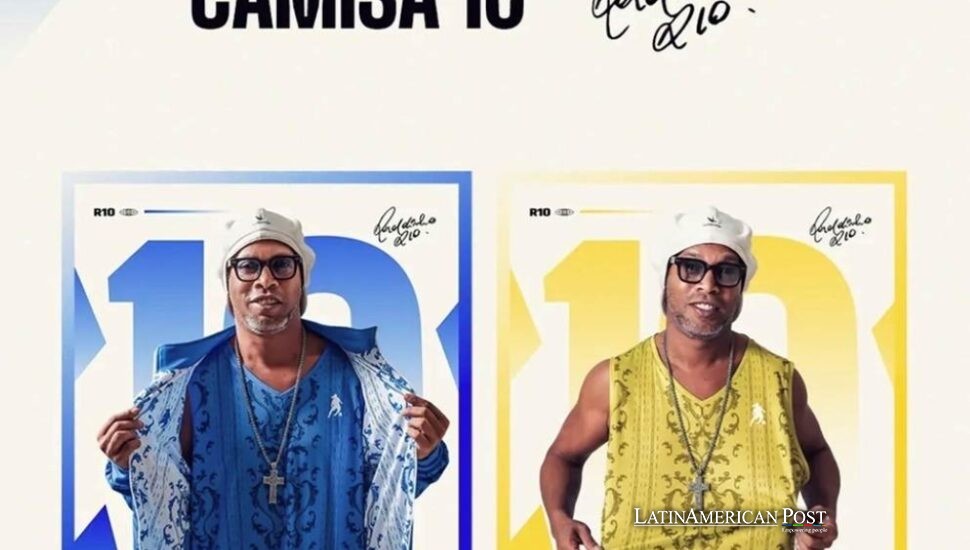
Ronaldinho’s Camisa 10 album gathers 60 tracks and artists from 18 countries, turning a football icon’s lifelong love of rhythm into a revealing map of Latin America’s cultural export machine, celebrity economy, and borderless pop future.
A Footballer Finds His Second Field
There is a certain kind of Brazilian genius that never really retires. It only changes surfaces. Grass becomes the studio floor. Cleats become headphones. The old feint, the smile before the pass, the elastic swing of a hip that once embarrassed defenders in packed stadiums, finds another place to move.
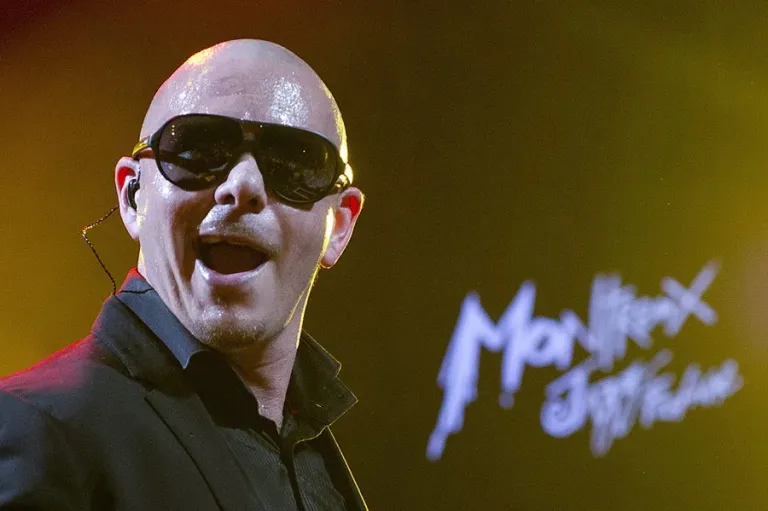
Ronaldinho Gaúcho has released Camisa 10, the first album from his own international music label, Tu Música, and the project is no small feat. Sixty songs. More than 20 major artists. Performers from 18 countries. Pitbull, Sean Paul, Juan Magán, Justin Quiles, Lenny Tavárez, Dalex, Ke Personajes, L-Gante, and others are moving through dancehall, afrobeats, Latin trap, urban pop, reggaeton, and the party grammar of the global South.
For another retired athlete, this could feel like vanity with a beat. With Ronaldinho, it feels almost inevitable.
“This album brings together a team of global stars and, for me, it is a dream come true, because music has always been part of my life,” the Brazilian said in a statement tied to the release. It is the kind of sentence celebrities often say. Here, though, it lands with some history behind it.
Ronaldinho never played football like a man separating sport from rhythm. He played like samba had been smuggled into the laws of physics. Before he became a 2002 World Cup champion, before Barcelona made him a cathedral idol, before the smiling face became a commercial asset, he was already translating music into movement. His game had syncopation. Delay. Surprise. A defender would step one way, and Ronaldinho’s body would answer in another language.
Now the language is literal.
On Camisa 10, his voice appears on three tracks: Perfil with Mexican artist Luis R. Conriquez, Vamos Celebrar with Pitbull, and La Verde with Tony Aguirre. Sean Paul opens the album with Lead, alongside Canadian duo Banx & Ranx. Ronaldinho called himself a longtime fan of Sean Paul, saying the Jamaican star gave a soundtrack to unforgettable parties and that standing beside him was a privilege.
That detail matters. The album is not just a playlist with a famous footballer’s face on the cover. It is a map of influence. Jamaica to Brazil. Mexico to Miami. Puerto Rico to Spain. Nigeria to Latin trap. Cuba, France, South Korea, Turkey, and Venezuela all threaded into one entertainment product with a Brazilian number 10 as its passport stamp.
Latin America Learns the Platform Game
The old Latin American cultural export model was simpler, and often more humiliating. Talent left home, was validated elsewhere, then returned with foreign approval attached. The singer needed Miami. The footballer needed Europe. The actor needed Hollywood. The producer needed an American label, Spanish radio, or the blessing of an industry gatekeeper who could pronounce the artist marketable.
Camisa 10 belongs to a different era. It is not anti-global. It is aggressively global. But it suggests Latin America now understands that cultural power is not only about being invited into someone else’s room. It is also about building the room, owning the label, gathering the guests, and making the algorithm come to you.
Tu Música’s debut as an international label is part of that story. The project was developed by producers Allan Jesus and Roni Maltz Bin, together with Roberto de Assis, Ronaldinho’s brother and longtime manager. That family-business detail feels very Latin American in the most practical sense. Behind the glamour, there is the trusted relative, the entrepreneurial cousin energy, the manager-brother who has been there since the early days, turning intimacy into infrastructure.
This is where the album becomes more than celebrity news. Latin America has long been treated as a mine for raw culture: rhythm, slang, bodies, beauty, danger, street style, dance, football, hunger. Others packaged it. Others sold it back. Now the region’s stars are learning to package themselves.
Reggaeton taught the lesson. Bad Bunny proved it on an imperial scale. Brazilian funk, regional Mexican music, Argentine cumbia 420, Colombian urban pop, Dominican dembow, and Afrobeats collaborations have all shown that the old center has cracked. English no longer controls the party. Spanish and Portuguese do not need to apologize for themselves. A hook can travel before a translator arrives.
Ronaldinho saw that before this album. In 2023, Puerto Rican superstar Bad Bunny released a video featuring Brazilian football legend Ronaldinho, and Ronaldinho later shared the new theme on Instagram, thanking Benito Antonio Martínez for the invitation. Bad Bunny, a known sports fan, understood the exchange perfectly. Ronaldinho was not a cameo. He was a symbol of joy as a Latin American export, the grin that needed no subtitle.
Camisa 10 deepens that connection. It places the football hero inside the same ecosystem that now links stadiums, streaming platforms, YouTube views, social feeds, and nightclub speakers. The modern Latin American celebrity is not one thing. He is a brand, a memory, a collaborator, a meme, an ambassador, an investor, and emotional shorthand.
The Number 10 Still Means Magic
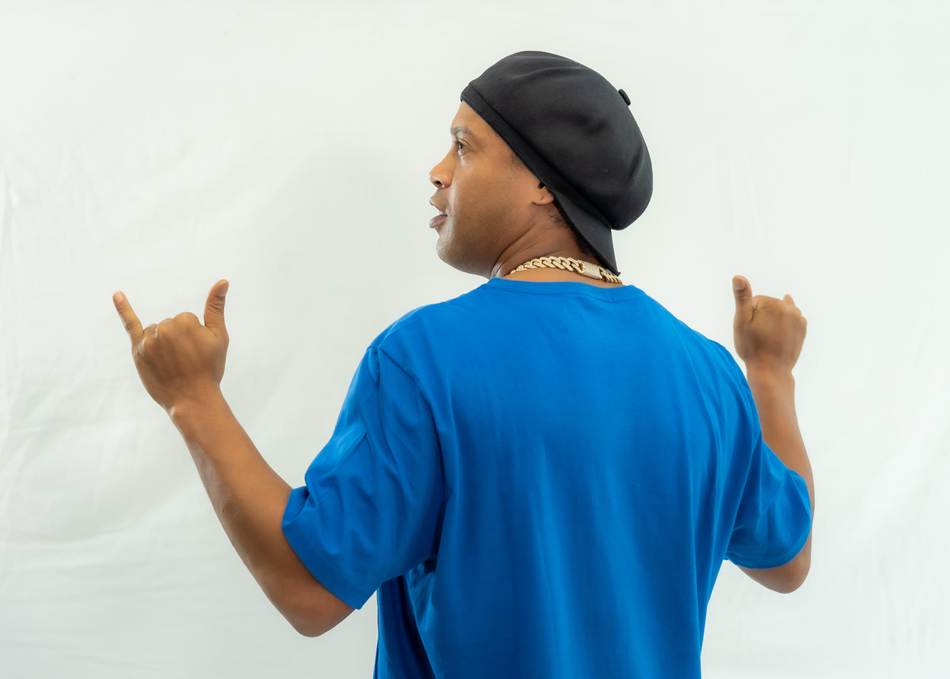
The title Camisa 10 is doing heavy cultural lifting. In football, especially in Latin America, the number 10 is not merely a shirt. It is a mythology. Pelé, Maradona, Messi, Ronaldinho. The 10 is expected to invent, disobey, charm, and solve. He carries the village fantasy and the television contract. He plays between structure and mischief.
That is why Ronaldinho’s musical turn feels less like a departure than a continuation. He is moving from the sacred shirt to the sacred playlist.
But there is also a sharper economic reading. Latin America’s soft power is one of its few resources not entirely trapped by commodity cycles. Copper falls. Oil shocks. Soy markets wobble. Tourism depends on exchange rates, security, and climate. Music and football, however, continue to generate symbolic wealth from scarcity. They come from neighborhoods where the state often failed, from families that improvised, from young people who learned rhythm because rhythm was cheaper than formal opportunity.
The danger is that celebration can hide extraction. Streaming pays unevenly. Celebrity collaborations can elevate some artists while swallowing others. A 60-track album with global names sounds generous, but it also mirrors the platform economy’s hunger for constant volume. The song becomes content. The artist becomes data. The party becomes a monetized behavior.
Still, there is power here. A Brazilian footballer launching a music label with artists across 18 countries is not a small gesture in a region so often divided by borders, accents, rivalries, and political suspicion. Camisa 10 imagines Latin America and its diaspora as a dance floor large enough to include Jamaica, Mexico, Puerto Rico, Brazil, Argentina, Spain, Nigeria, and beyond. Not as charity. As a business. As taste. As a force.
Ronaldinho once made defenders look foolish because he seemed to hear a rhythm they could not. Maybe that is the real continuity. He heard football differently. Now he is betting that Latin America’s future will be heard before it is negotiated.
In a continent tired of being described only in terms of crisis, Camisa 10 offers another kind of headline. Not escape. Not innocence. A beat with a balance sheet. A smile with strategy. A retired genius still refusing to stand still.
Also Read: Colombian Shakira Turns World Cup Opener into a Latin Soundtrack