Bolivia Roadblocks Bite Back as Paz Faces Emergency Rule Reckoning
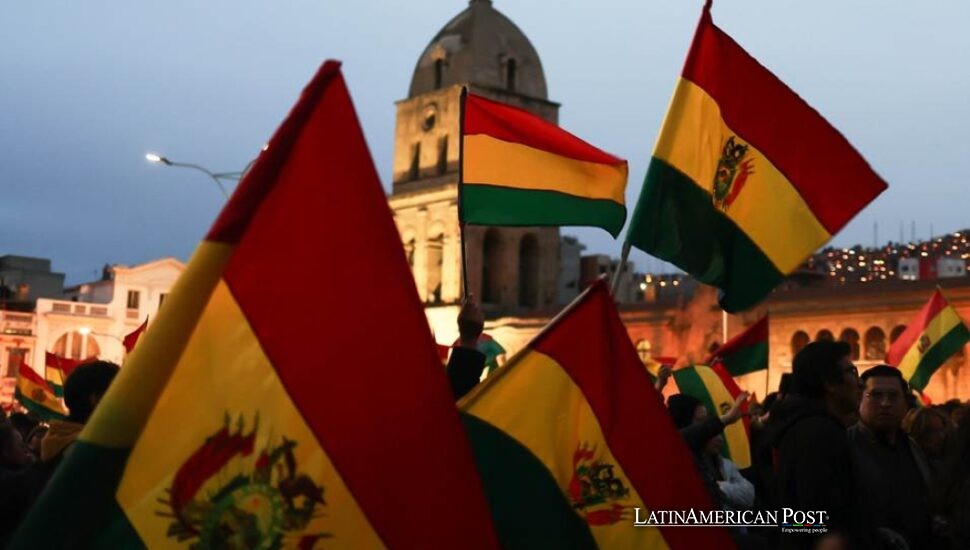
Bolivia’s roadblock crisis has moved from mountain highways into La Paz’s civic heart, where citizens demanding emergency powers now expose President Rodrigo Paz’s deeper problem, a governing coalition cracking under inflation, fueling anger, and betrayed hopes across post-MAS Bolivia today.
A Plaza Asks for Order
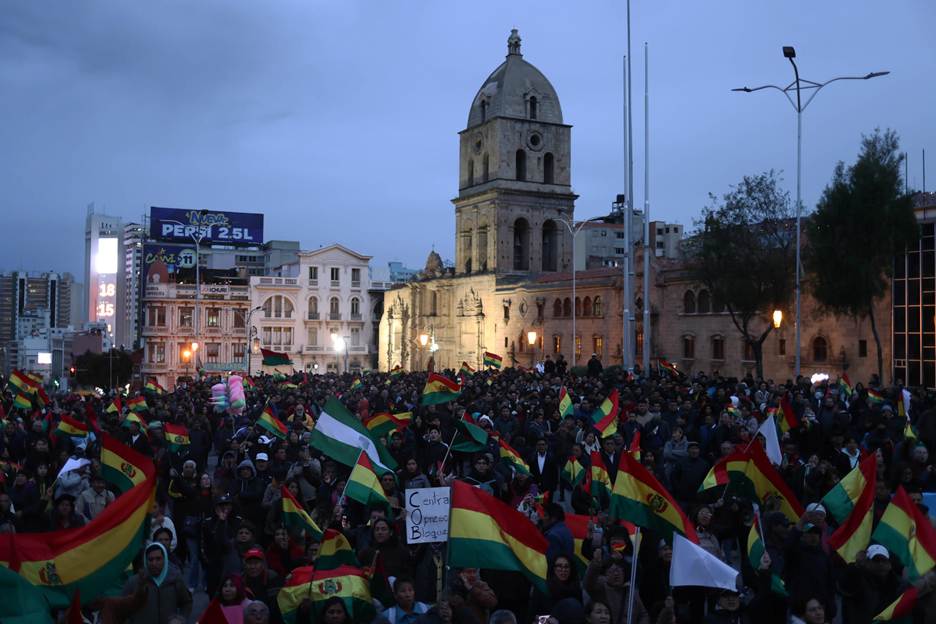
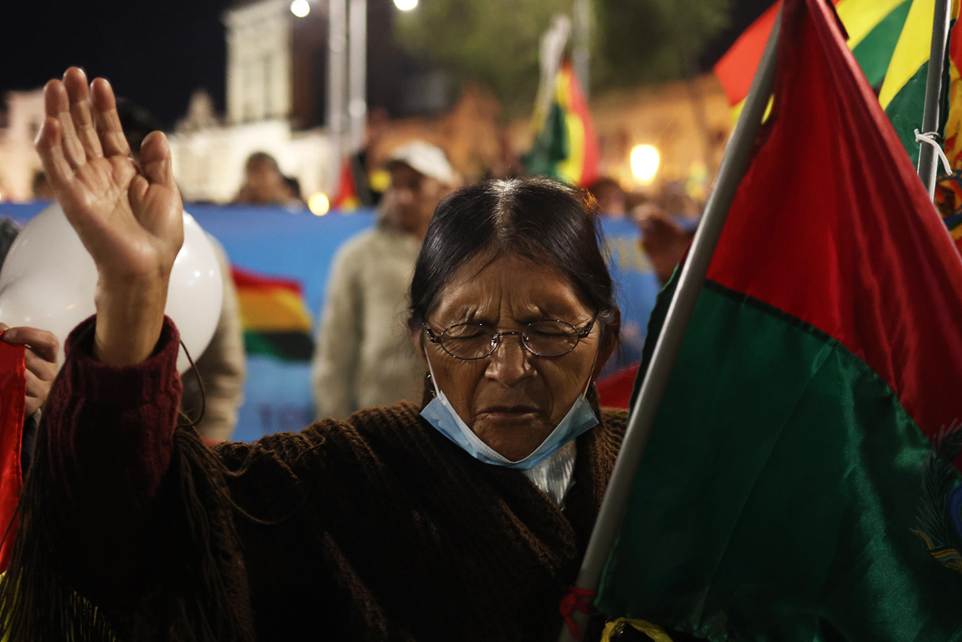
The chant in La Paz was blunt enough to fit on a wall: work yes, blockade no. It rose this week from the historic San Francisco plaza, where civic groups, merchants, miners, religious organizations, and neighborhood platforms gathered for a cabildo, the old Latin American form of public assembly that can feel part town meeting, part warning flare.
According to EFE, hundreds of citizens from various organizations asked Bolivia’s government to declare a state of exception to end protests and highway blockades that have persisted since early May, with the protests led by campesino unions, workers, and supporters of former President Evo Morales, who are demanding Rodrigo Paz’s resignation.
It was not only a demonstration against roadblocks. It was a demonstration against suffocation. Cities have been left short of food, fuel, and medical supplies. At least ten people have died in the conflict, including seven who reportedly could not receive timely medical care because roads were cut. Economic losses have surpassed $2.34 billion, a figure that in Bolivia does not stay abstract for long. It becomes a stall without produce, a taxi without gasoline, a clinic waiting for oxygen, a family calculating whether the country has again become larger than the state that claims to govern it.
The demand for emergency rule carries its own danger. In Latin America, states of exception are never just legal tools. They arrive with memories attached. Soldiers on the streets. Rights suspended. A promise that force will be temporary, followed by the familiar question of who decides when the temporary is over.
Still, the crowd in San Francisco was not speaking from a textbook. Its anger came from daily interruption. The final proclamation, read by Leonel Cóndor Huayra of the Comité Multisectorial de La Paz, criticized blockades as a form of protest, demanded the resignation of “bad leaders,” called for action against Morales, and even sought the resignation of Vice President Edmand Lara, who has declared himself opposed to the government.
Paz has already signed a law regulating states of exception, allowing the Armed Forces to be involved in controlling protests. But the measure is not automatic. It still requires a decree and legislative validation. That detail matters. Bolivia is not simply choosing between order and chaos. It is testing whether constitutional procedure can survive when hunger, anger, and blocked roads begin to make the case for force.
Paz’s Coalition Starts to Fray
From outside Bolivia, the crisis is easy to flatten. Put Evo Morales in the headline. Add left-right polarization. Mention Bolivia’s long reputation for political rupture. Then move on.
That version misses the real fracture. The unrest is not coming only from Paz’s enemies. It is also coming from the social edges of the coalition that helped him win.
Paz, 58, son of a former president, campaigned last year as a centrist figure, neither a full return to Morales’s Movement for Socialism nor a hard turn to the right, as represented by former President Jorge Quiroga. His ticket worked because it seemed to offer an exit without revenge. Lara, a former police officer from a modest background with a strong social media following, gave the campaign anti-corruption voltage and a voice that sounded closer to ordinary frustration than to elite negotiation.
Then the government happened.
Paz moved toward alliances with conservative political actors, including business and agro-industrial sectors in Santa Cruz. His market-oriented policies, presented as medicine for the fiscal deficit and investment paralysis, began to look, to some supporters, like an old bill being handed to new voters. Lara has publicly apologized to voters for campaign promises that have not yet been fulfilled, including avoiding further international debt, raising the senior pension, and reforming the police and justice systems. More damaging, he said, he and Paz have not spoken since January.
That silence is politically loud. In a country where representation is often territorial, ethnic, labor-based, and deeply personal, exclusion is not only administrative. It is symbolic. When the vice president appears sidelined, many voters do not see palace gossip. They see themselves outside the room.
The map of the blockades reportedly overlaps with areas that strongly backed the Paz-Lara ticket only months ago. That is the heart of the crisis. Many protesters are not rejecting modernization or foreign investment in principle. They are rejecting the feeling that reform is being done to them, not with them. Latin America knows this script. Structural adjustment, austerity, market rescue, fiscal discipline, technocratic necessity—the vocabulary changes by decade. The sensation in the barrio and the rural road often remains the same: someone else designed the sacrifice.
The grievances have accumulated like stones across a highway. Teachers pushed into La Paz in early May, demanding higher wages as inflation bit into household life. Small farmers marched against Law 1720, viewing the agrarian measure as a threat to land rights and a failure of consultation. The law was repealed and is expected to be revised. Then came the fuel quality scandal, popularly called gasolina basura, with drivers complaining that poor fuel damaged vehicles and emptied the pockets of those who live by taxi, transport, or delivery work.
A government can survive one crisis. It can explain two. But when wages, land, fuel, debt, police reform, and representation collide, explanation begins to sound like evasion.
Latin America Hears the Warning
Bolivia’s crisis matters beyond Bolivia because it shows the next stage of the region’s post-populist problem. It is not enough to defeat an old party, outlast a charismatic caudillo, or promise responsible economics. The harder task is building a state that can ask for patience without sounding like contempt.
Morales remains powerful as a symbol, and the government has accused him of fueling violence and allegedly financing unrest with illicit drug money, accusations he denies. He is still an influential opposition figure, reportedly confined to the Chapare while facing an arrest warrant tied to allegations of sexual abuse involving a minor. Yet treating him as the master key to every locked door gives him more centrality than the crisis itself may justify.
The deeper issue is fragmentation. Bolivia after MAS is not suddenly calm, liberal, and governable. It is less concentrated, more plural, more suspicious. That can be democratic. It can also be combustible. When parties no longer contain social demands, roads do. When institutions fail to absorb anger, plazas do. When a government loses its original coalition faster than it can build a new one, the state starts governing from behind sandbags.
Emergency measures may clear highways and buy Paz time. They may also deepen the wound if people experience them as punishment rather than protection. A proposed Economic and Social Council could reopen dialogue with social movements. A cabinet reshuffle could broaden representation and signal humility. But neither will matter if citizens believe Santa Cruz boardrooms, La Paz insiders, or security calculations already settle decisions.
For Latin America, the Bolivian lesson is sharp. Stability cannot be imported through markets alone. Order cannot be shouted into being by frightened citizens. Protest cannot claim moral purity while blocking medicine and food. Democracy cannot live only in elections, then disappear from consultation.
In the San Francisco plaza, the demand was for the roads to open. Underneath it was another demand, older and harder: make the republic feel reachable again.
Also Read: Latin America Displacement Crisis Is Redrawing Borders Without Crossing Them