Brazil’s Long Climb Back Continues With Ancelotti as Icons Blast Contract Renewal
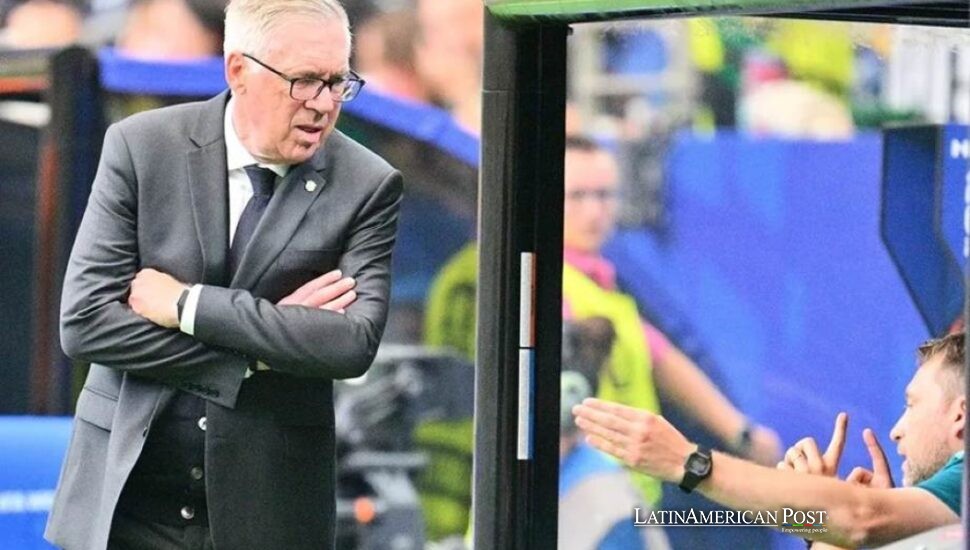
Brazil’s 2026 World Cup exit against Norway turned Carlo Ancelotti’s 2030 extension from a stability play into a national argument over identity, timing and whether the CBF confused calm with progress before the Seleção had proved anything at all yet.
A Contract Before the Verdict
By the time Norway finished the job, Brazil looked less beaten than exposed. The 2-1 defeat did not feel like one bad night, not in the way World Cup exits sometimes do, with a cruel bounce, a referee’s whistle, a keeper touched by God. This one felt heavier. Slower. Earned.
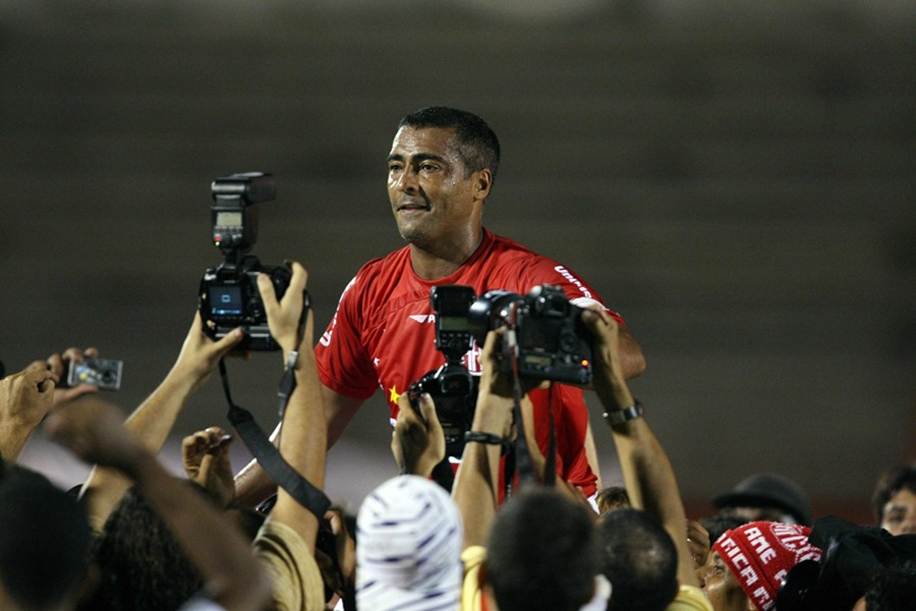
That was the harshest word Romário used after the elimination, and also the most difficult to dismiss. The 1994 World Cup champion, now a senator but still a striker in the way he speaks, said Brazil “deserved to be eliminated.” He wrote that the team lacked attitude and “real football,” that it was small against Norway, a country that did not have Brazil’s mythology but had more clarity when the game turned tight.
The miss that will live on television loops was Bruno Guimarães’ penalty, wasted when Brazil still had a door open. Romário did not turn him into the villain, and he was right not to. Penalties are a brutal convenience for public anger. They give a country one face to blame. But Brazil’s problem was not one shot from twelve yards. It was a tournament in which the Seleção never really imposed itself, never convinced the world it knew what kind of team it wanted to be.
That is why the Brazilian Football Confederation’s decision to renew Carlo Ancelotti’s contract until the 2030 World Cup before the 2026 tournament now looks like a mistake. Not because Ancelotti suddenly forgot how to coach. He remains one of the great managers of the modern game, a collector of Champions League nights, dressing-room storms and star egos made manageable. The mistake was timing. Brazil gave him the future before demanding a persuasive present.
Calm Is Not a Style
When Ancelotti arrived in May 2025, Brazil needed oxygen. Since Tite’s departure after the 2022 World Cup, the Seleção had drifted through interim solutions and competing visions: Ramon Menezes, Fernando Diniz and Dorival Junior. The CBF had looked restless, reactive, almost embarrassed by its own inability to land the man it wanted. Ancelotti’s arrival brought prestige. His renewal brought certainty.
There was a logic to it. Brazil had cycled through too many coaches. The federation wanted to show that this time it would not let one tournament define everything. It wanted a project, not another funeral. In that sense, the 2030 deal was meant to protect Brazil from the hysteria that often follows elimination.
But a national team is not a club, and Brazil is not a neutral workplace. It is an inheritance. Every coach of the Seleção manages not just players, but ghosts: 1958, 1970, 1982, 1994, 2002. He manages a country’s argument with itself over beauty and efficiency, street football and European systems, improvisation and structure, joy and fear. A long contract can stabilize that argument only if the team on the field gives people something to believe in.
Ancelotti’s first ten matches before the World Cup brought five wins, two draws and three losses. That record was not catastrophic. It was also not transformative. The strongest case for him lay in intangibles: calm, confidence, authority, the sense that a proven winner had entered a room that had become too noisy. But intangibles are not trophies. They are credit. Brazil spent that credit before the tournament began.
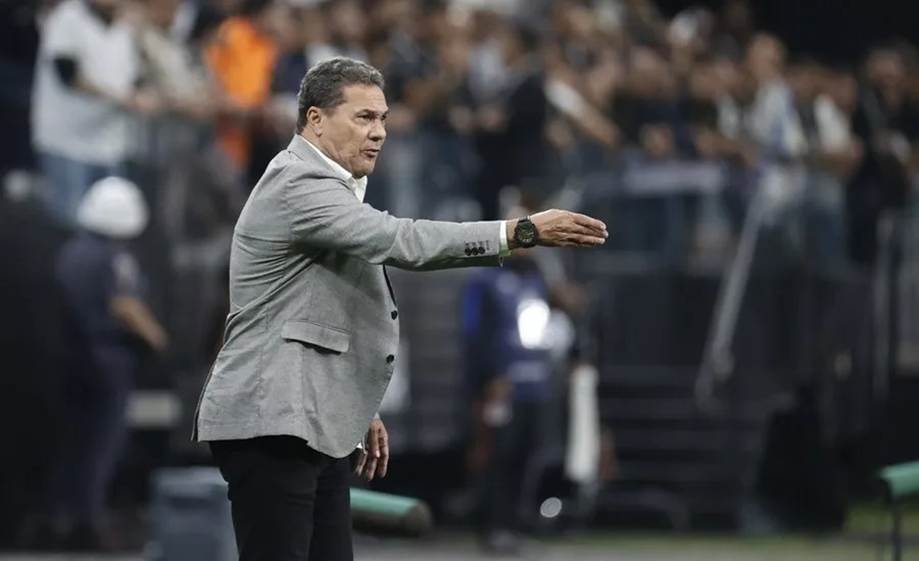
The deeper concern is tactical. Romário and Vanderlei Luxemburgo both criticized Ancelotti’s conservative approach, and the criticism lands because Brazil’s failure was not only emotional. Against Norway, the Seleção lacked tempo, personality, and the old Brazilian power to make opponents feel smaller than they were. Norway did not steal the match. It managed it. It punished Brazil’s hesitation. That is a damning reversal for a five-time world champion.
Brazil’s drought since 2002 has become more than a statistic. It has become a generational ache. Children who watched Ronaldo, Rivaldo, and Ronaldinho lift the fifth title are now adults watching another cycle end in explanations. The longer the wait stretches, the more dangerous nostalgia becomes. Brazil cannot win the sixth star by dressing like 1970 or dreaming like 1982. But it also cannot become just another cautious elite team and still call that renewal.
The 2030 Gamble Still Has a Door
So was the renewal an error? Yes, but not an unforgivable one. It was a governance error, not necessarily a footballing death sentence. The CBF confused institutional patience with premature endorsement. It removed pressure from itself before gathering evidence from the only test that matters in Brazil: the World Cup.
A smarter federation would have let 2026 speak first. If Brazil had played with identity and fallen narrowly, Ancelotti could have been extended from a position of moral strength. If Brazil had won, the extension would have looked visionary. If Brazil had failed badly, as it did, the CBF would have retained space to renegotiate, reset, or at least demand structural changes before committing through 2030.
Instead, Brazil is boxed in. Firing Ancelotti now would make the renewal look absurd and expensive. Keeping him without a serious internal reckoning would make the federation look complacent. The only viable path is the hardest one: keep the project, but strip away the comfort. Ancelotti must be treated not as a savior under contract, but as a coach under obligation.
That means the 2028 Copa America becomes more than a tournament. It becomes a referendum. Brazil must use it to test whether Ancelotti can build a team that is compact without being timid, modern without being bland, European in organization but Brazilian in initiative. He must define the hierarchy, solve the midfield rhythm, restore attacking confidence, and make the shirt feel heavy for opponents again, not only for the men wearing it.
There is also a cultural question the CBF cannot outsource to an Italian genius. Brazil’s player pipeline still produces extraordinary talent, but the national team has struggled to turn talent into authority. The modern Brazilian star is often shaped abroad, polished by European clubs, fluent in pressing triggers and commercial obligations. The Seleção must give those players a shared language that feels larger than club habits. That requires coaching, yes. It also requires institutional seriousness.
Romário’s anger resonates because he speaks from a Brazil that remembers intimidation as an art. His generation did not always play beautifully, despite the mythology, but it played with nerve. The 2026 team did not. That is the charge Ancelotti must answer.
The CBF’s premature renewal was a bad bet because it rewarded promise before performance. Yet the damage can still be contained if Brazil treats the embarrassment at the hands of Norway as evidence, not noise. Patience is valuable only when it is demanding. Otherwise, it is just fear of wearing a suit.
Also Read: Latin America Learns FIFA’s Field Tilts When Trump Calls Infantino