Latin America Isn’t Trump’s Domino Board; It’s Crime’s Ballot Box
Trump endorsements make headlines, but Latin America’s rightward turn looks less like a remote control from Washington and more like a local revolt against insecurity, weak growth, and mistrusted institutions, with voters choosing hard promises after years of being afraid at home again.
The Myth of the Remote Control
The easiest story is also the laziest one: Donald Trump raises his phone, blesses a candidate on Truth Social, and Latin America obediently shifts right.
It is dramatic. It flatters Washington. It lets losing parties blame a foreign hand rather than ask what happened in the kitchen, at the bus stop, at the corner store, in the neighborhood where people stopped going out after dark. It also insults the region’s voters, as if Colombians, Hondurans, Chileans, Peruvians or Brazilians were extras in a North American campaign ad.
Trump’s influence is real enough to study. It is not real enough to explain the whole map.
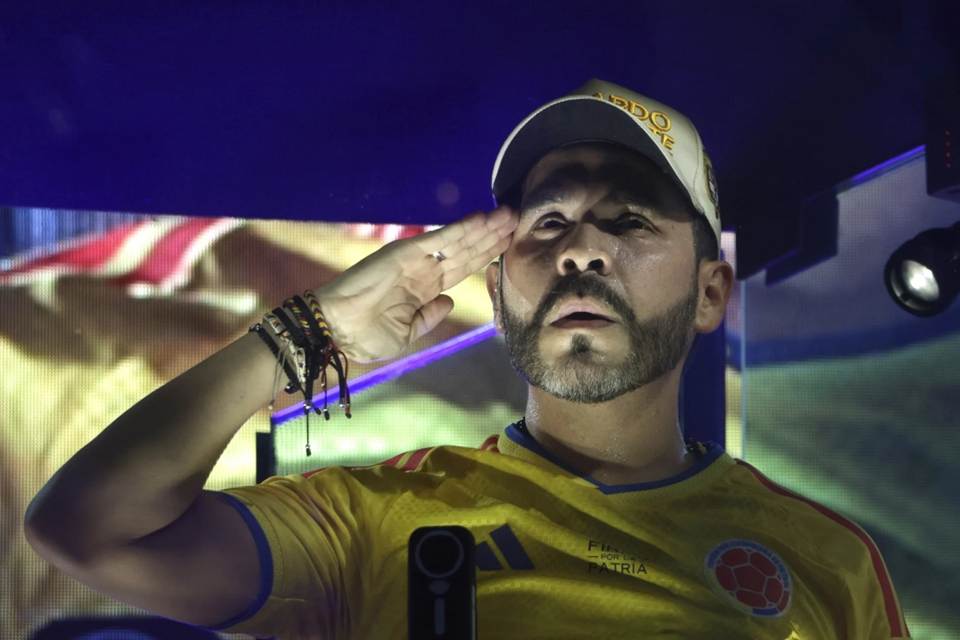
In Colombia, Trump endorsed Abelardo de la Espriella before the runoff, and the conservative outsider defeated Iván Cepeda by about one percentage point, a margin that naturally invites theories about outside intervention. But more than 26 million people voted, a record turnout, and De la Espriella ran on crime, opposition to Gustavo Petro’s unfinished peace agenda and a promise to import hard security tools into a country where armed groups, illegal mining and drug routes remain brutally local problems.
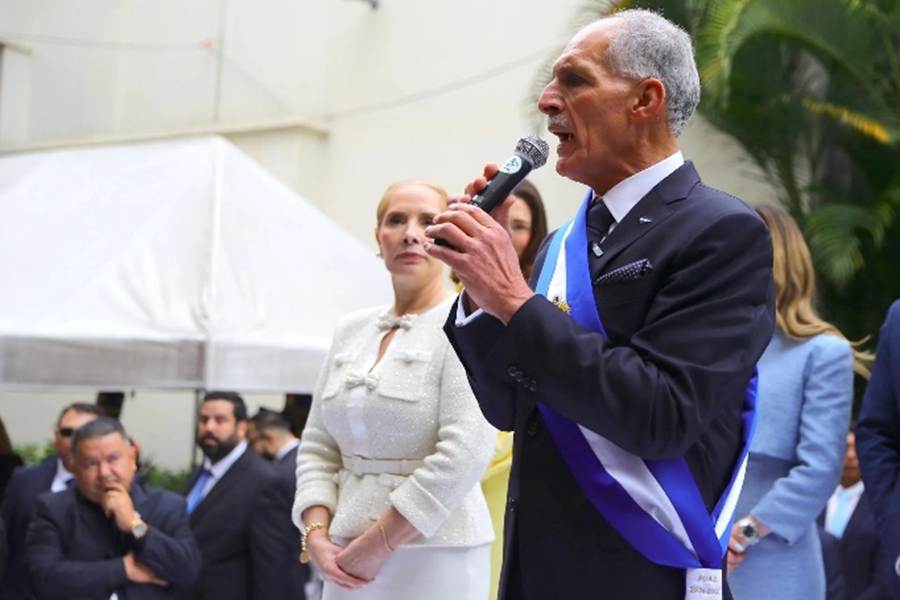
Honduras offers another tempting case. Trump publicly backed Nasry Asfura in 2025 and warned against the left. The race was tight, disputed, and watched closely from Washington. Yet Honduras did not become anxious about gangs, corruption, migration, and weak institutions because a U.S. president posted about them. Those fears were already sitting at the table.
Even Reuters, while describing the region’s rightward shift, points to weak economies and rising crime as forces reshaping voter priorities across Colombia and beyond. That is a different story from puppetry. It is not clean. It is not comforting. But it gives Latin Americans credit for reacting to conditions they live through, not merely to signals they receive from abroad.
The old imperial habit is hard to kill. For two centuries, outsiders have narrated Latin America through doctrines, coups, commodities and great-power chessboards. Sometimes those explanations were necessary. U.S. power has intervened, bullied, financed, and punished. But history should sharpen analysis, not flatten voters into victims without agency.
Crime Is the Candidate Nobody Endorsed
The strongest campaign surrogate in Latin America right now may not be Trump. It may be fear.
The Inter-American Development Bank says Latin America and the Caribbean’s homicide rate is three times the world average, 18 per 100,000 people versus 5.6, and that half of all homicides in the Americas are connected to organized crime, compared with 24% globally. The same IDB overview says 30% of households have suffered a crime in the past year, and 51% of people report not feeling safe.
That is not an abstraction. It is the mother paying for a taxi she cannot afford because the walk home is no longer ordinary. The shopkeeper handed over an extortion payment called “protection.” The young man who learns which block belongs to which group before he learns which university might want him. The bus driver is counting passengers and threats.
The economic cost is enormous. A 2024 IDB study put the direct cost of crime and violence at 3.44% of regional GDP in 2022, roughly equivalent to 78% of the public education budget, twice social assistance spending and 12 times research and development budgets. Nearly half of that cost came from private business spending on security and mitigation.
That data helps explain why law-and-order politics travels faster than ideology. Crime is both a safety issue and a price increase. It raises the cost of delivery, insurance, nightlife, school routes, and groceries. It punishes the poor first, then taxes everyone else through guards, cameras, gates, and resignation.
InSight Crime estimated that at least 121,695 people were murdered in Latin America and the Caribbean in 2024, with a median homicide rate of around 20.2 per 100,000. The number is lower than in the region’s worst years in some countries, but the political effect is uneven. Ecuador’s explosion, Costa Rica’s shock, Chile’s anxiety and Colombia’s stubborn territorial violence have all made insecurity feel like a continental contagion.
Chile is especially instructive because it complicates the Trump thesis. José Antonio Kast won the presidency with 58% of the runoff vote after a campaign driven by fears over crime and migration, even though Chile remains safer than much of the region. Voters were responding not only to statistics but to rupture, to the feeling that an old social contract had cracked.
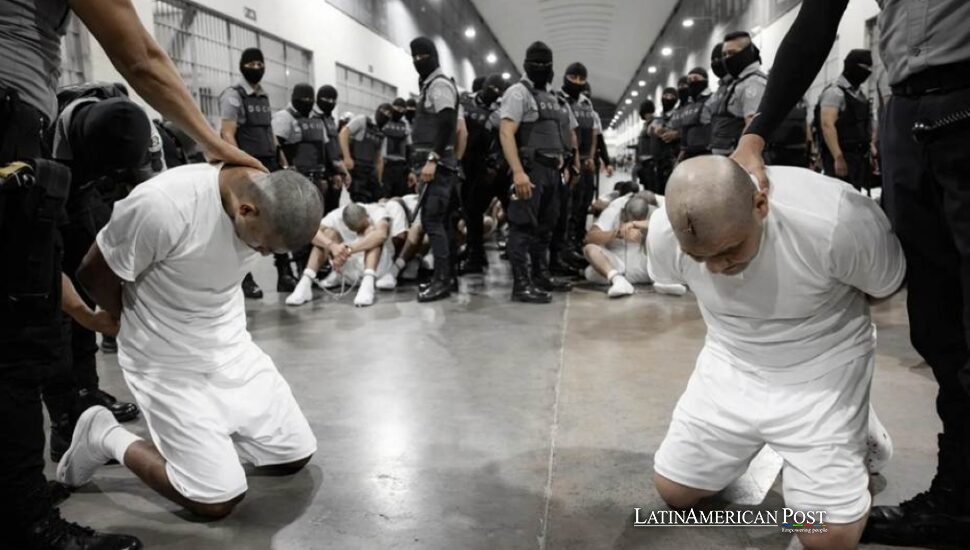
In Brazil, conservative candidates are openly courting the “Bukele model,” visiting El Salvador’s mega-prison and promising tougher crackdowns. Reuters reported that Brazil’s prison population had reached about 909,000 by 2024, while experts warned that copying El Salvador could backfire in a country where prison gangs had already become national criminal networks. That is not Trumpism alone. That is a region looking at one brutal security success story and asking whether fear justifies imitation.
Autonomy Is Not Naivete
None of this means Trump’s endorsements do nothing. In close races, a foreign endorsement can help organize donors, energize diaspora networks, signal future diplomatic favor, and tell conservative voters that their candidate belongs to a larger hemispheric family. In Colombia’s one-point race, nobody serious should dismiss marginal effects.
But the margin is not the motor.
The bigger mistake is treating Latin American elections as referendums on Washington. They are usually referendums on incumbents, prices, fear, corruption, exhaustion, and hope. The region has voted left, right, and against everyone in rapid succession because citizens are impatient with governments that promise dignity and deliver management slogans.
Latinobarómetro’s 2024 report found support for democracy in Latin America rose to 52%, up four percentage points from 2023. That is not a portrait of a region begging for foreign tutelage. It is a portrait of citizens still attached to democracy, but increasingly furious about what democracy has failed to provide.
The real danger is not that Trump magically controls Latin America. The real danger is that politicians of the right and left may use the Trump argument as an excuse to avoid the hard question: why do so many voters believe only force will restore order?
Washington’s “Shield of the Americas” may amplify the trend, especially when it gathers ideologically friendly governments around military and security cooperation. Yet analysts at the Atlantic Council have warned that cartel power grows from weak institutions, corruption, and fragile rule of law, not merely from a lack of firepower. A security alliance built on partisan affinity will not outlast the next electoral tide if it ignores courts, prosecutors, prisons, schools, and local governance.
That is where Latin America’s dignity must enter the analysis. Voters are not children hypnotized by a strongman abroad. They are adults making hard choices inside wounded democracies. Some choices may be dangerous. Some leaders may overpromise, militarize, and weaken rights. But to understand those choices, one must begin with the neighborhood, not Mar-a-Lago.
Trump may be a megaphone. Crime is the sound underneath.
Also Read: Venezuela Quakes Expose the Fault Lines Beneath Latin America’s Resilience